
Getting to Linwood church is quite the experience itself. Tucked away down a leafy rural lane, hidden in the shadows of huge trees, a little fence signals the sneakily-hidden church of Linwood, just outside Market Rasen in Lincolnshire. The church is kept open by volunteers, with most of the signage decorating the walls left unchanged since the late 70s. I cannot overstate what a TREAT this place is. Once called Lincolnshire’s ‘hidden gem’ by the local press, I couldn’t agree more.
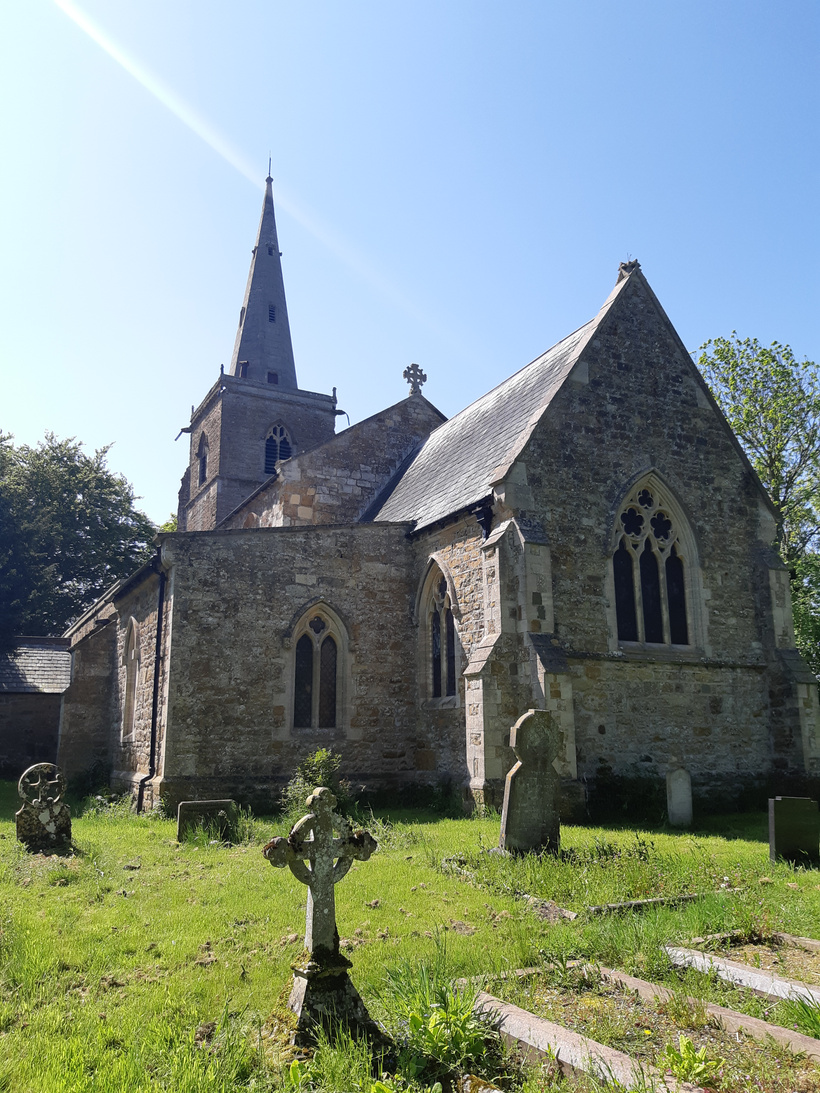
Linwood is one of only two churches in the country dedicated to St Cornelius, a Roman Pope who was martyred in 253AD. The patron saint of domestic animals, ear ache and cattle, he’s an unusual choice for a tiny farming community – we can only presume the cattle aspect must have swung it.
Like many Lincolnshire settlements, it was a victim of the agrarian revolution, where industrial developments in agricultural farming decimated the availability of work to rural populations. This drove many workers into the towns and cities, leaving these ancient settlements sparse and redundant.
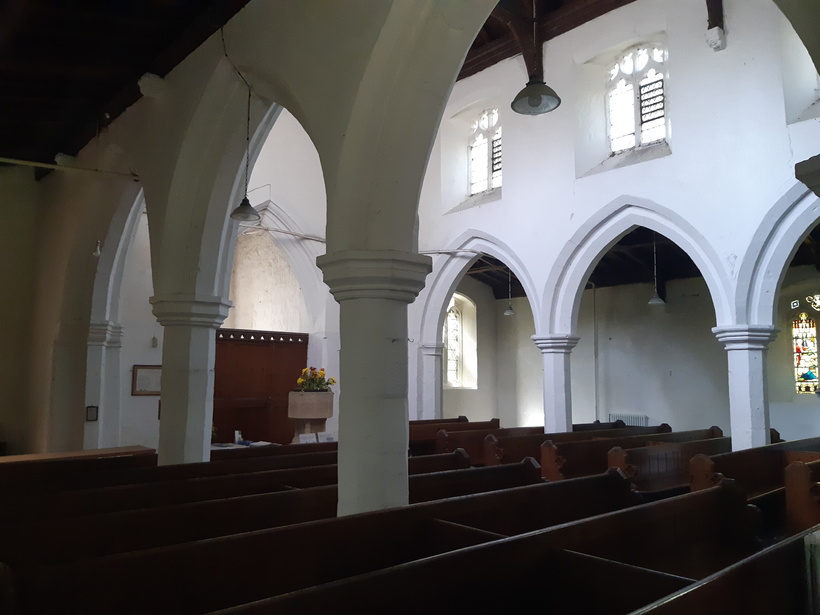
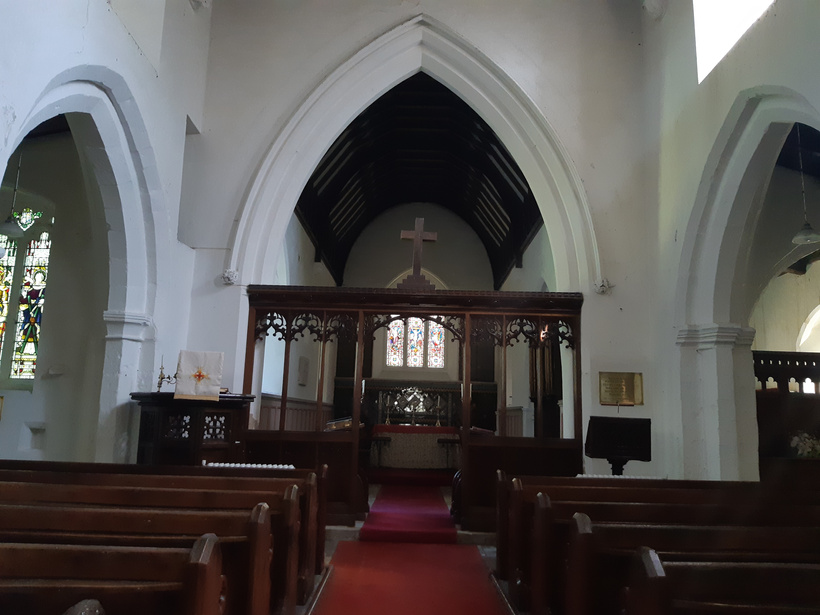
Mentioned in the Domesday book, there has been a church on this site of the hamlet of Linwood since at least the 12thcentury. Built from local ironstone, the church retains a 14th century tower (with gargoyles) with the remainder of the building being of mixed century construction.
Each of the windows bears a label stop, representing the likeness of an important person. While the official records of these identities are long lost, the remaining heads are believed to represent William Shakespeare, Anne Hathaway and King Richard, with others bearing large question marks over their identities.
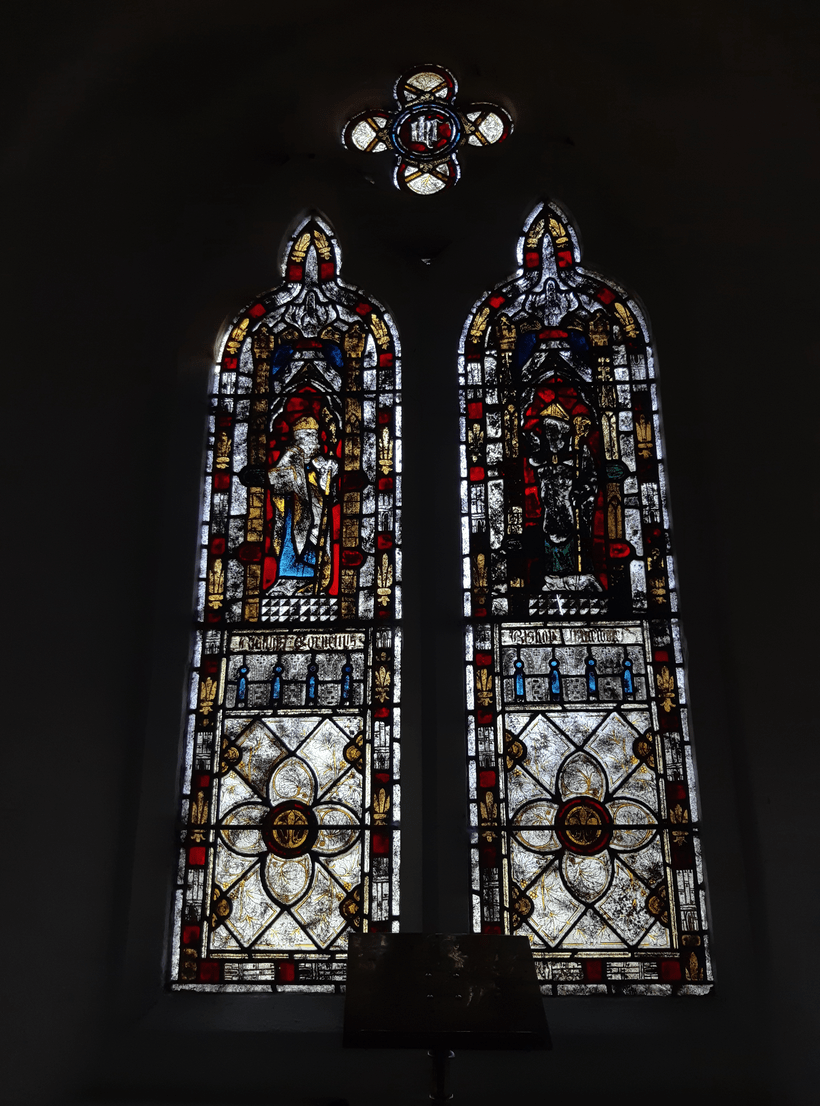
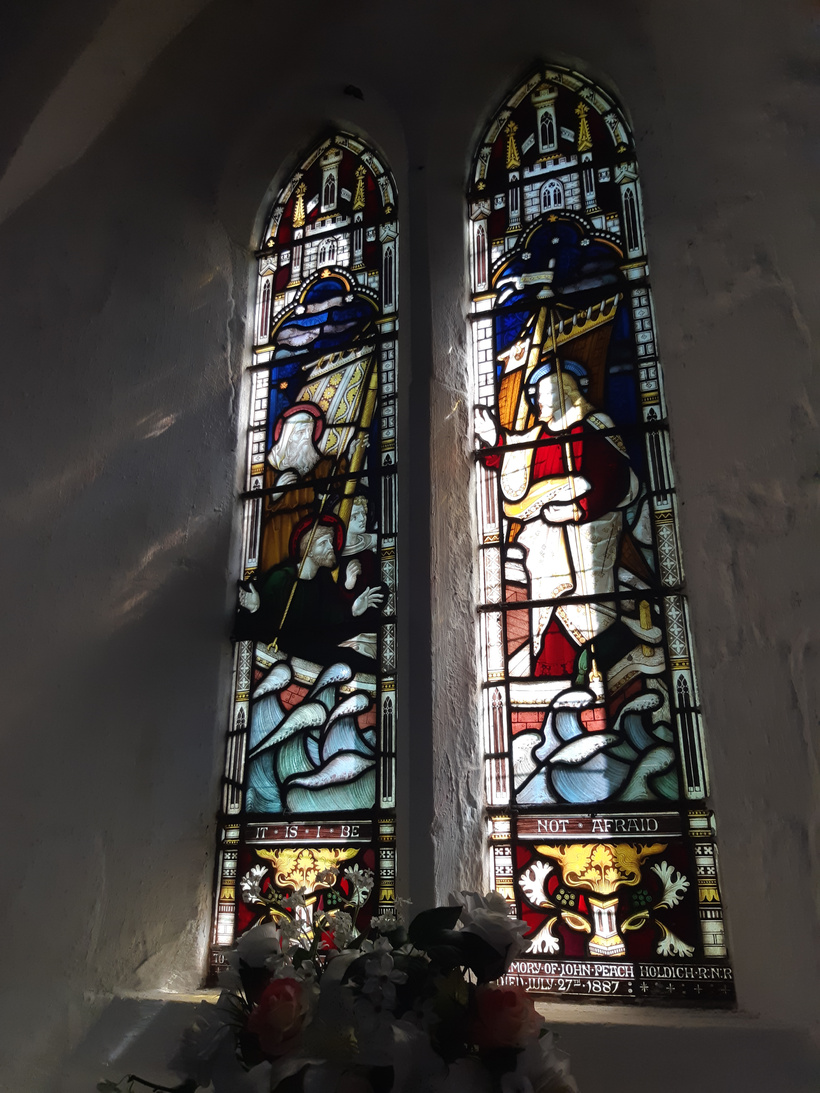
The stained glass windows are of varying ages, with one dating back to the 13th century and another being the last remaining stained glass window dedicated to St Cornelius in the UK.
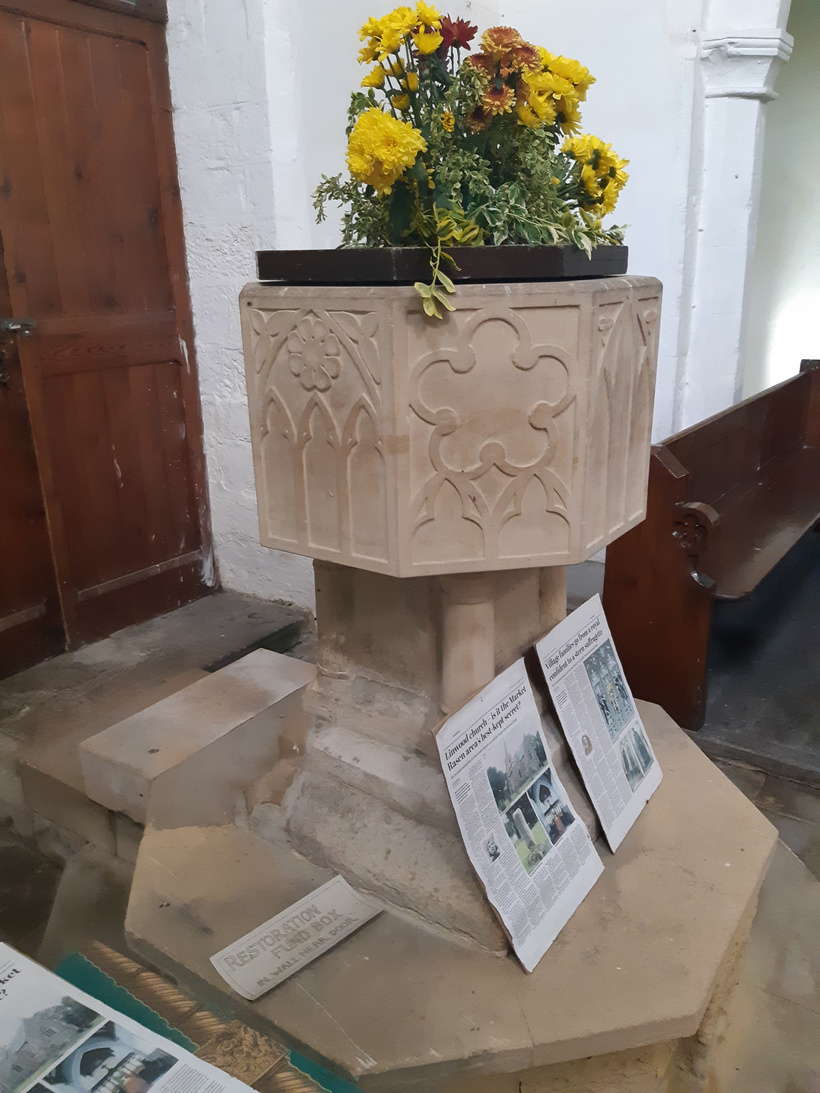
There are two fonts inside Linwood – one is a more modern (Victorian) octagonal example, with crisp gothic window-inspired patterning to the sides. However, the most exciting font sits on the ground in two parts, held together with a chain. While unclear from signage, this represents the original 14th century medieval font that was replaced by the Victorians in 1868.
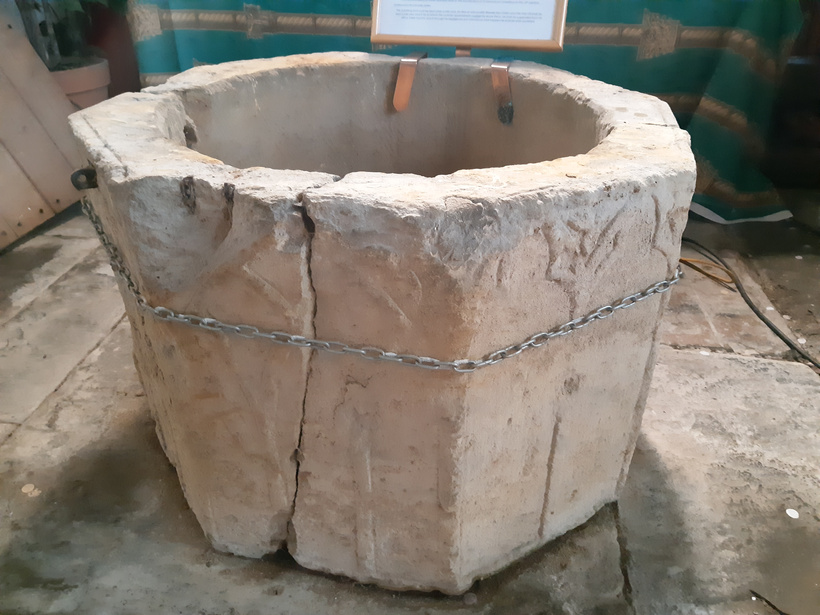
After the replacement was made, this font took a trip around several other Lincolnshire churches until it broke in two in 1927. After this break, Geoffrey Swalwell, the son of Linwood’s rector, sought permission to bring the bowl back and in 1928, the rescue mission was complete. Curiously, the lock marks of the original font can still be seen to the side of the bowl, showing where the bolt mechanism once sat, as per an unusual 13th century order.
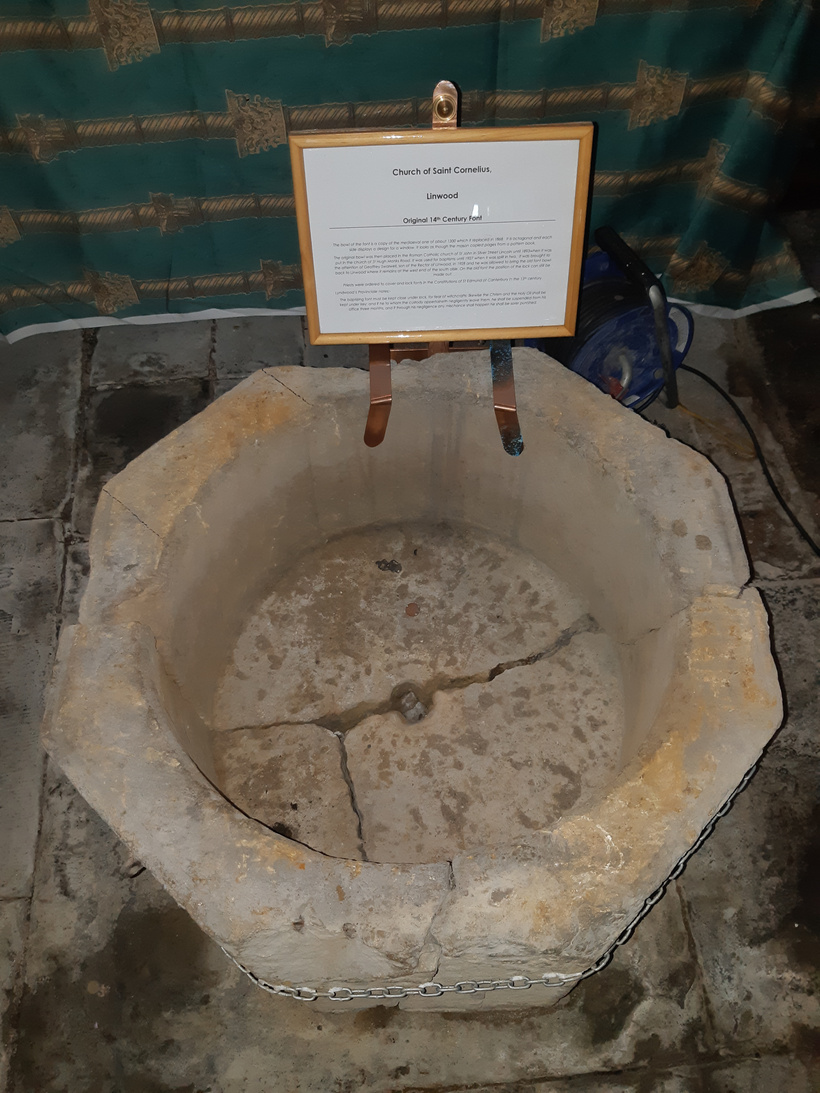
In the 1236 Constitutions of St Edmund of Canterbury, priests were required to cover and secure their fonts, lest evil enter their church. Some of these lids were beautiful and elaborate, while other churches used basic wood and iron bars to secure their fonts. Linwood church information states that ‘The baptising font must be kept close under lock, for fear of witchcrafts; likewise the Chrism and the Holy Oil shall be kept under key: and if he to whom the custody appertaineth negligently leave them, he shall be suspended from his office three months, and if through his negligence any mischance shall happen he shall be sorer punished.’
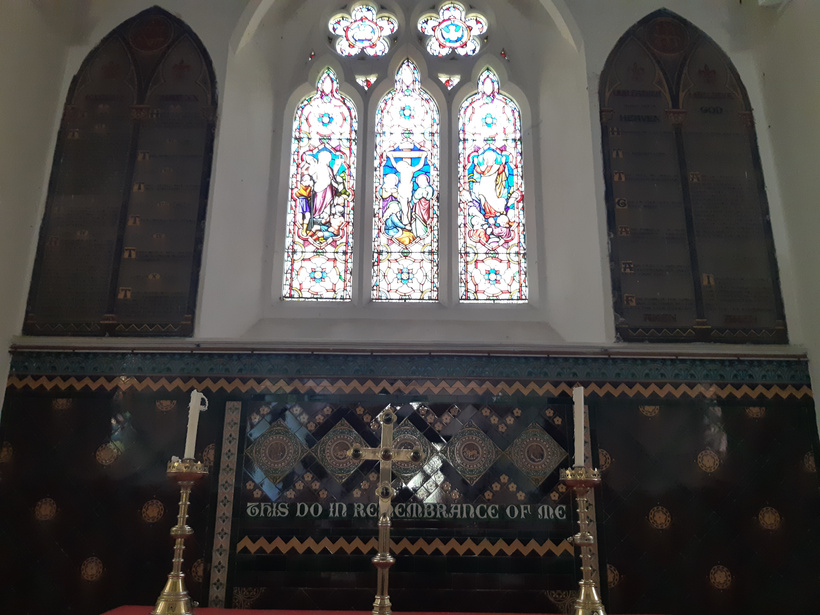
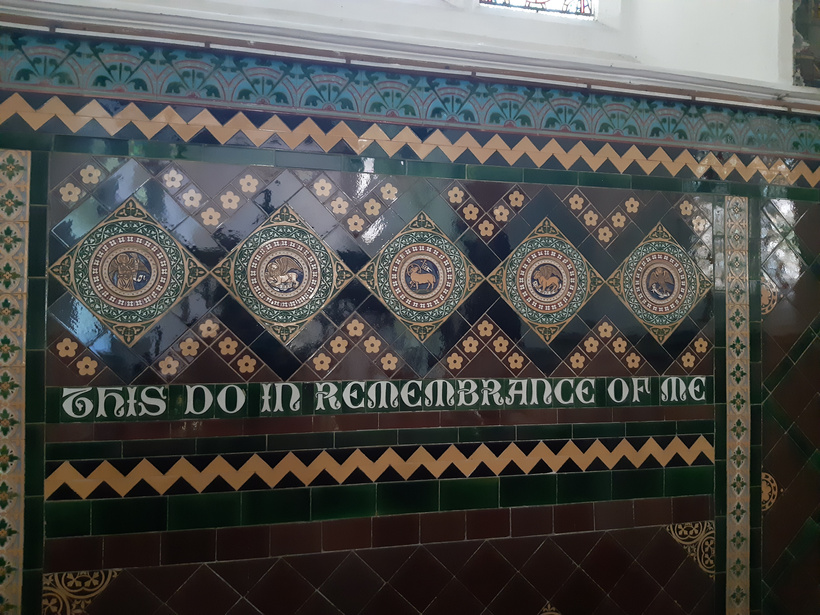
The east wall and altar area (reredos) of Linwood church is decorated with beautiful Victorian majolica tiling, covered with religious lettering and symbols of lambs and staffs in medallions.
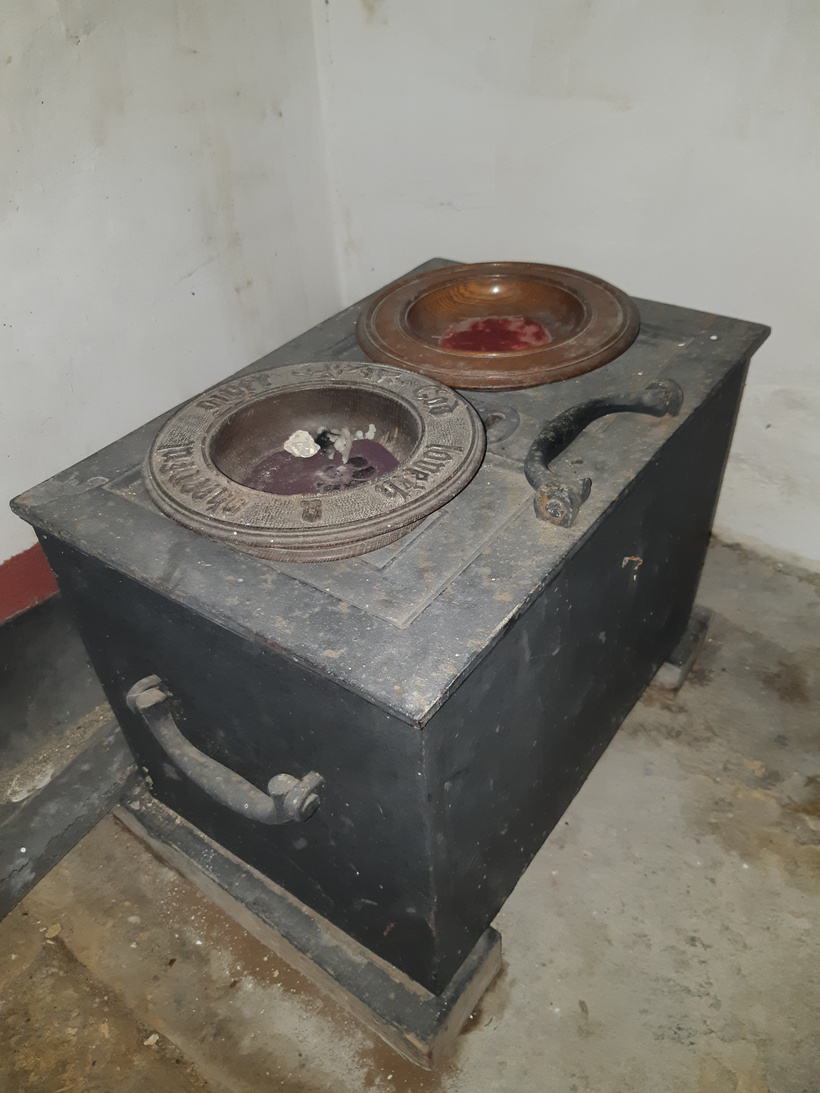
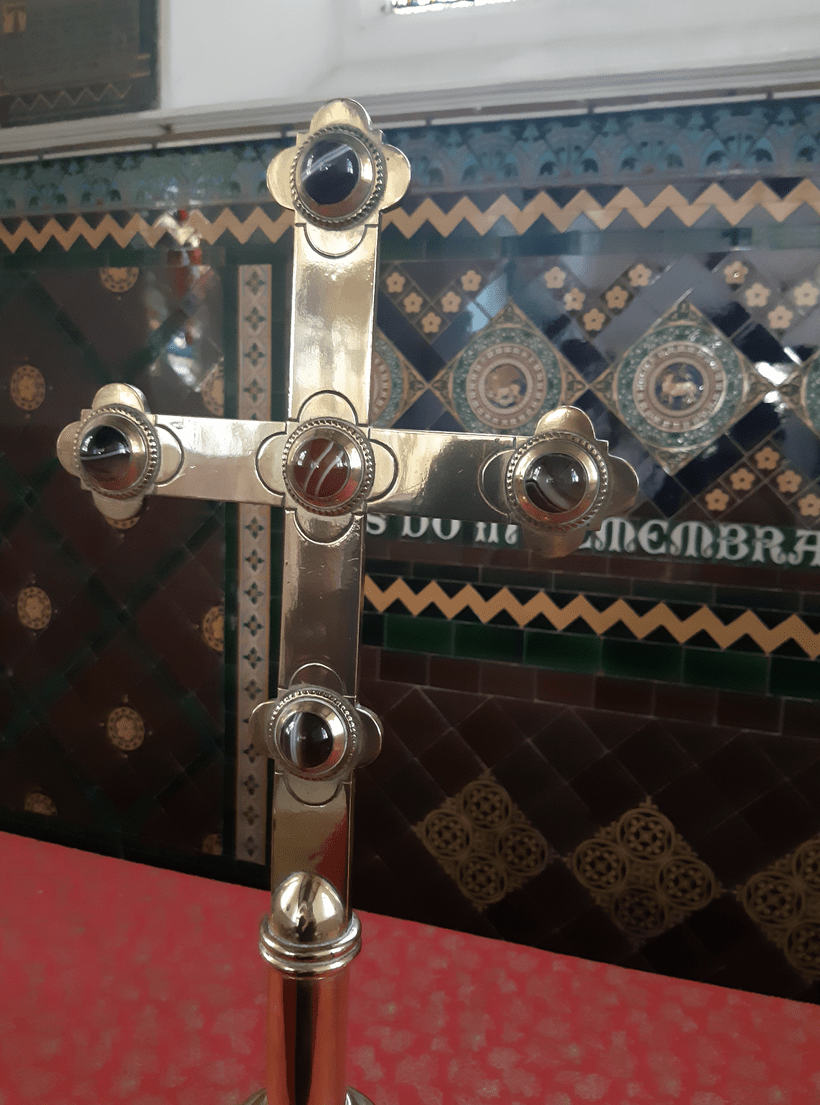
The altar itself is in beautiful condition, and unusually had its cross and brasses on display during my visit. Nearby are two large Victorian tin commandment boards that have survived the damp and cold remarkably well, and a large chest on which collection plates were resting.
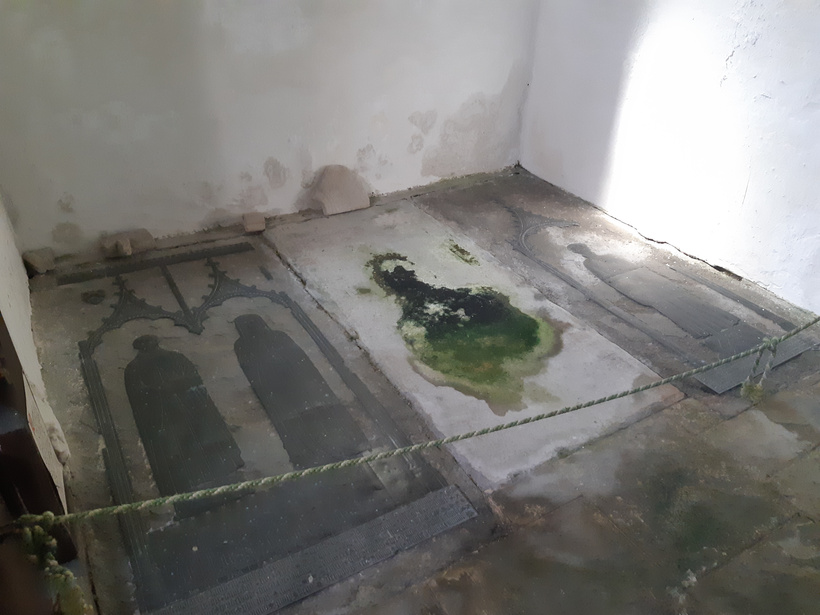
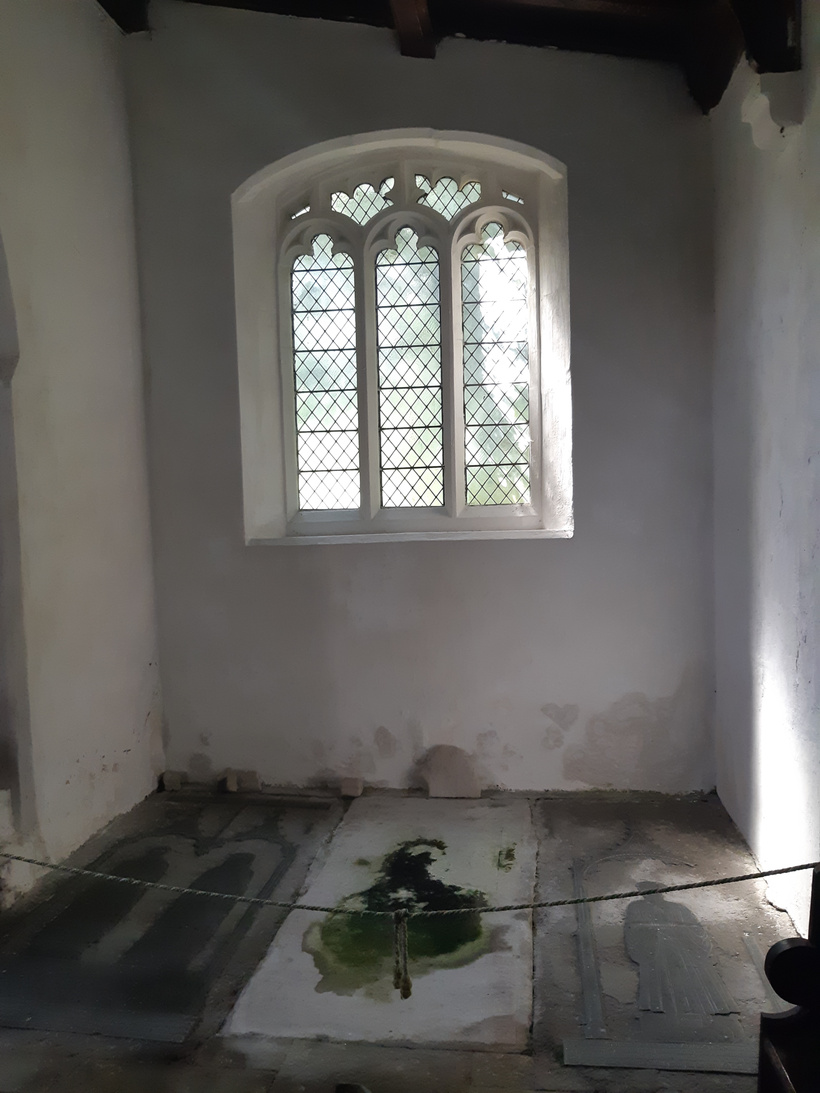
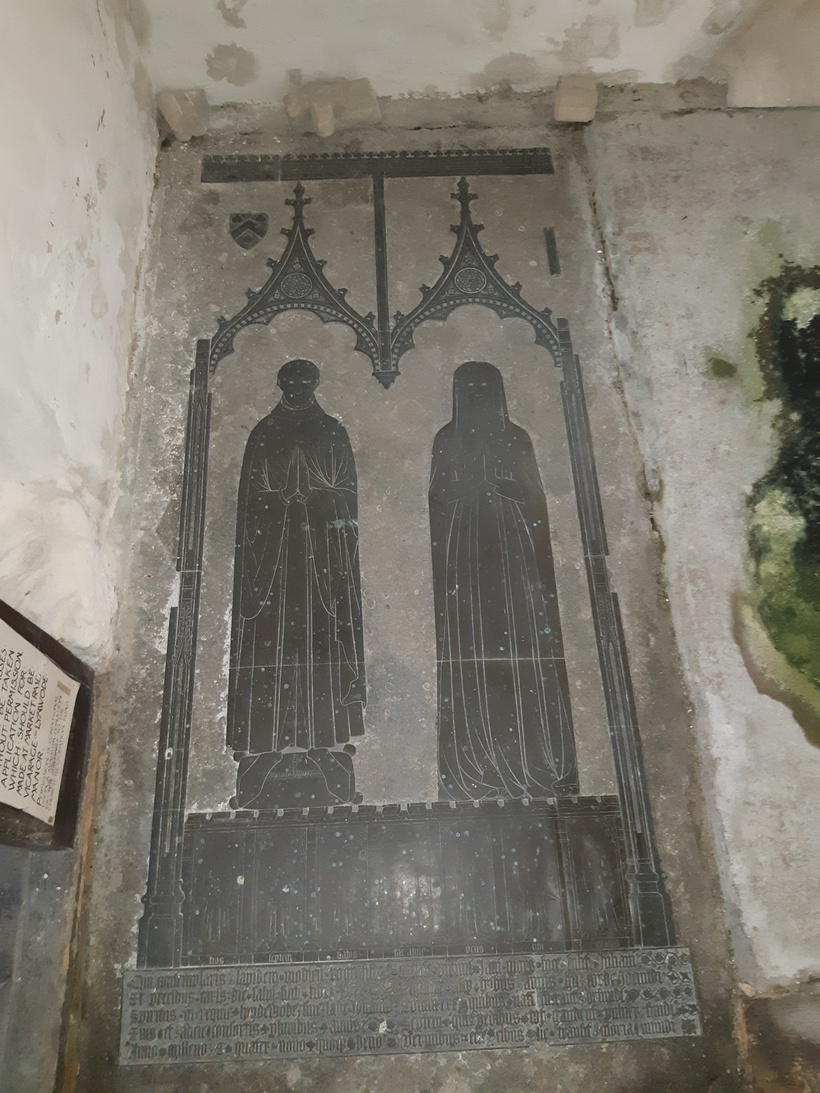
However, Linwood’s crowning glory isn’t found on the walls, but in the floor. The Linwood brasses are to substantial 15th century decorative brasses depicting the merchant John Lyndewode (d.1419) and his son by the same name (d.1421). The brasses depict John Jr on his own and John Sr with his wife Alice above several other figures depicting their children.
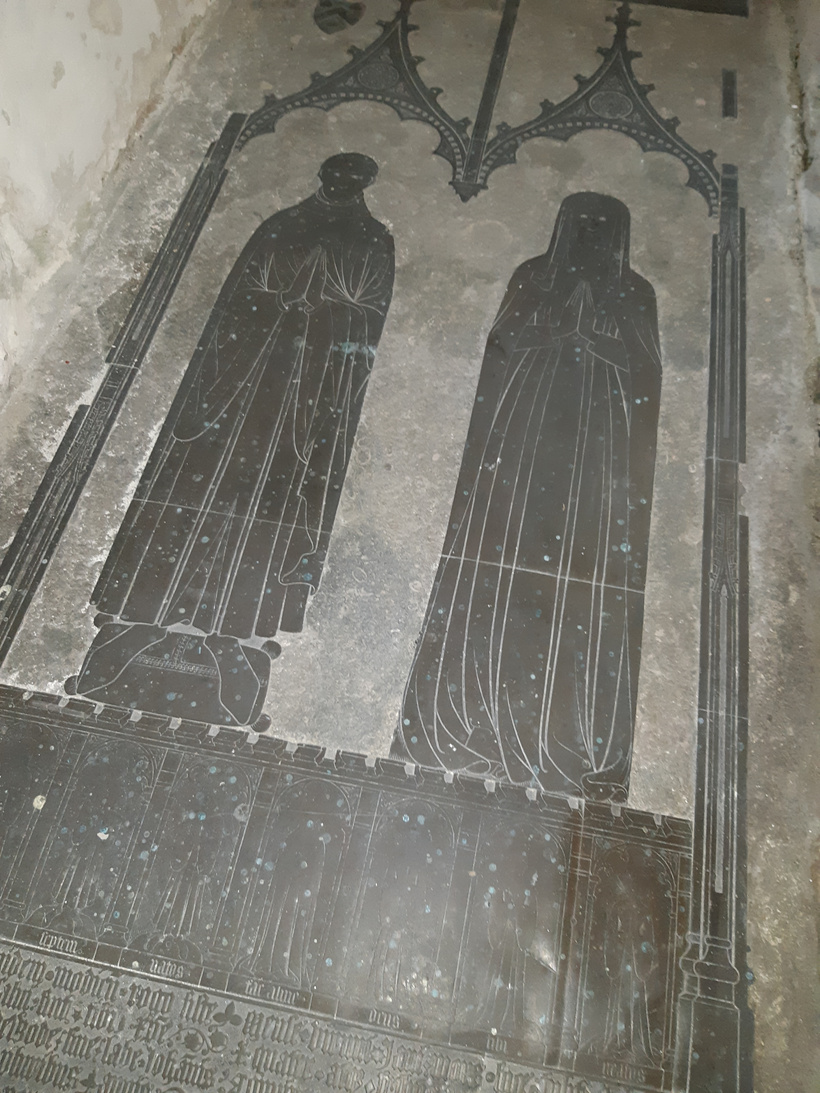
John Sr and Alice are shown in modest dress, with John stood atop a bale of wool bearing the family’s trade mark. Beneath the main figures are a series of smaller depictions of their children, including a central figure depicting their son William, a prominent cleric.
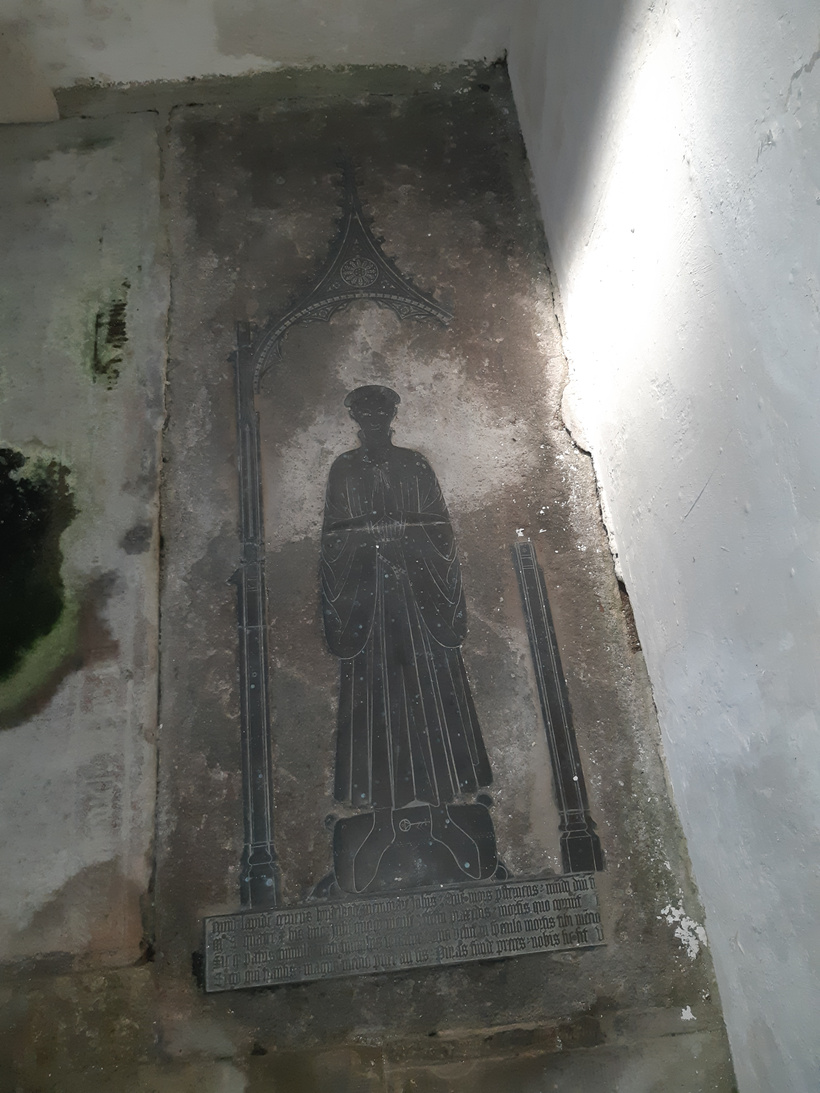
In contrast to his father, John Jr is dressed in fashionable clothes with an elaborate belted gown. However, he is also stood atop a wool sack, showing how he also entered the family firm.
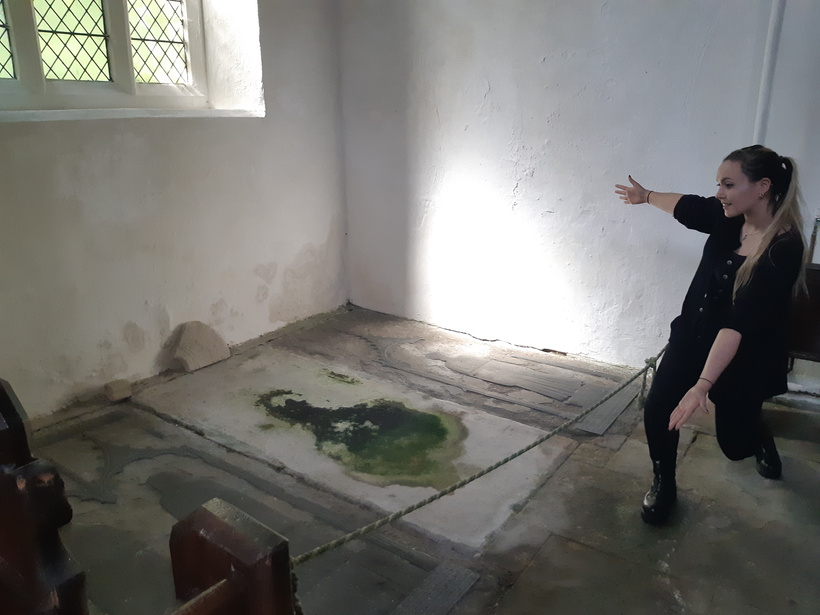
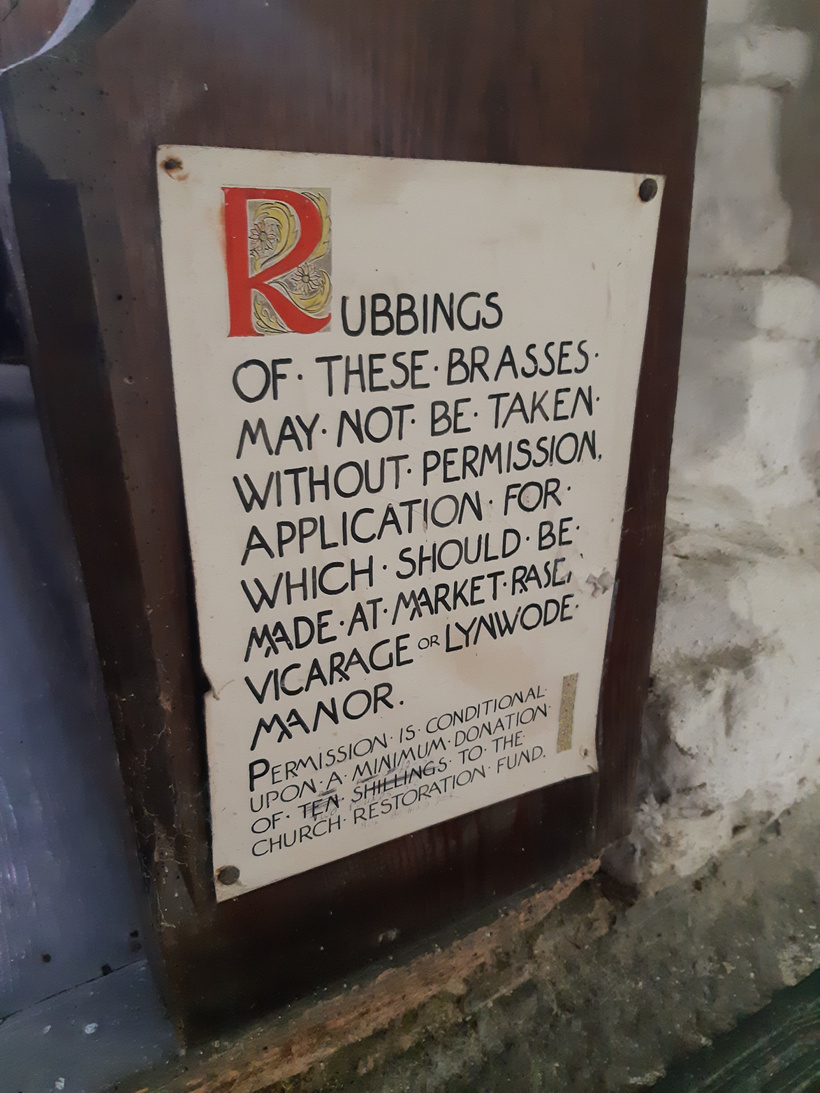
Both brasses are protected by a small rope, and have also survived the dark, damp conditions of the church. And, judging by other signage, it survived decades of brass-rubbing hobbyists who may have inadvertently worn down the engraved surfaces with their tools.
Other notable Linwood residents have also been found unexpectedly in flooring –
In an 1864 edition of the Lincoln Date Book, the record states that on August 15th ‘In restoring St Stephen’s crypt at the Houses of Parliament, the workmen found the embalmed body of an ecclesiastic, without any coffin, and buried under one of the window seats.
The body lay with its feet towards the east, its right hand on the breast, whilst on the left arm lay the pastoral staff, a crook of oak beautifully carved, and on the feet were sandals, with leathern soles sharply pointed.
The face was perfect in its preservation, with the hair still on the chin and upper lip. This was supposed to be the body of William de Lynwood, Bishop of St David’s, a native of Linwood, Lincolnshire, the only person known to have been buried in the crypt.’
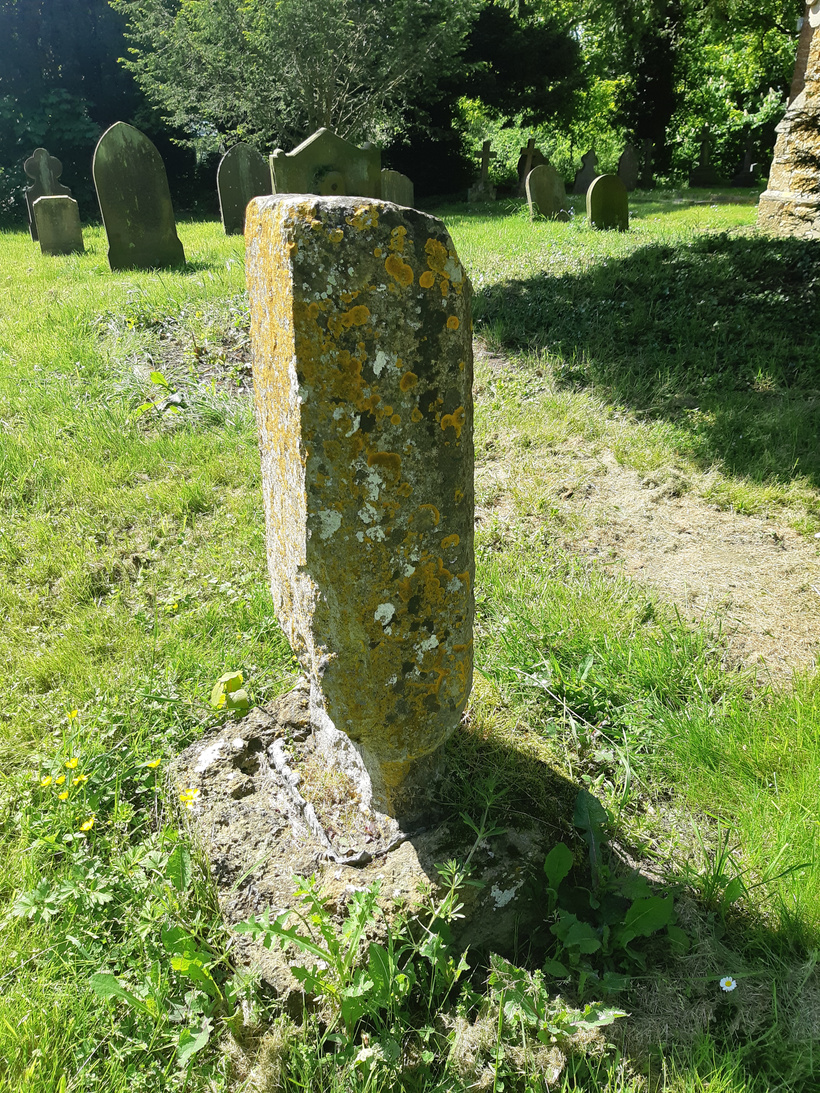
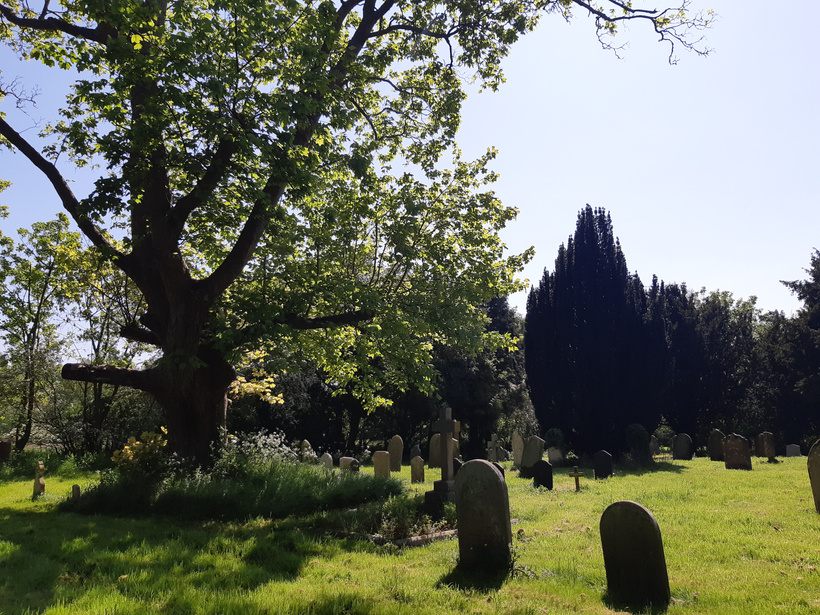
The churchyard is a little smasher, with the remains of a medieval preaching cross in the centre. This may have been used for outdoor preaching or as a meeting place, yet today is little more than an exciting trip hazard. While what remains is just a stump, it has been given Grade II listed status, and was a thrill to find.
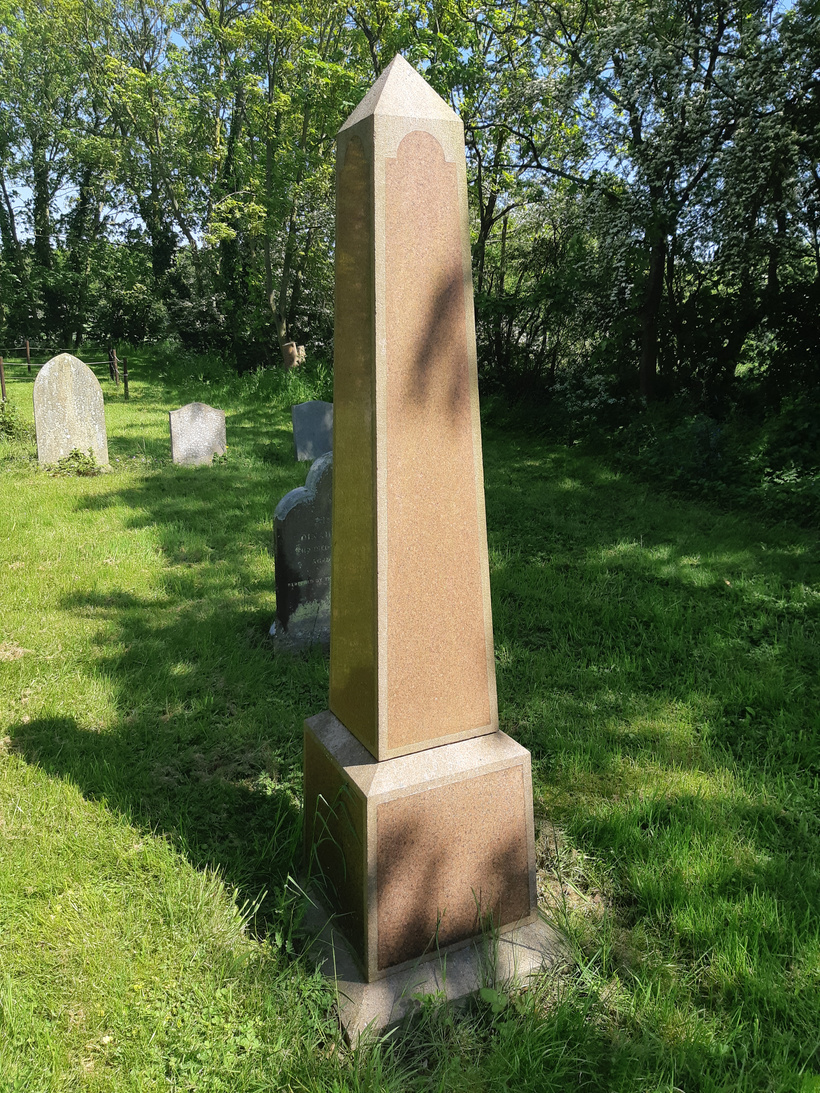
For such a small churchyard, Linwood holds a variety of designs, including a pink granite miniature obelisk – the memorial to John Gothorp, who died in 1837 aged 64.
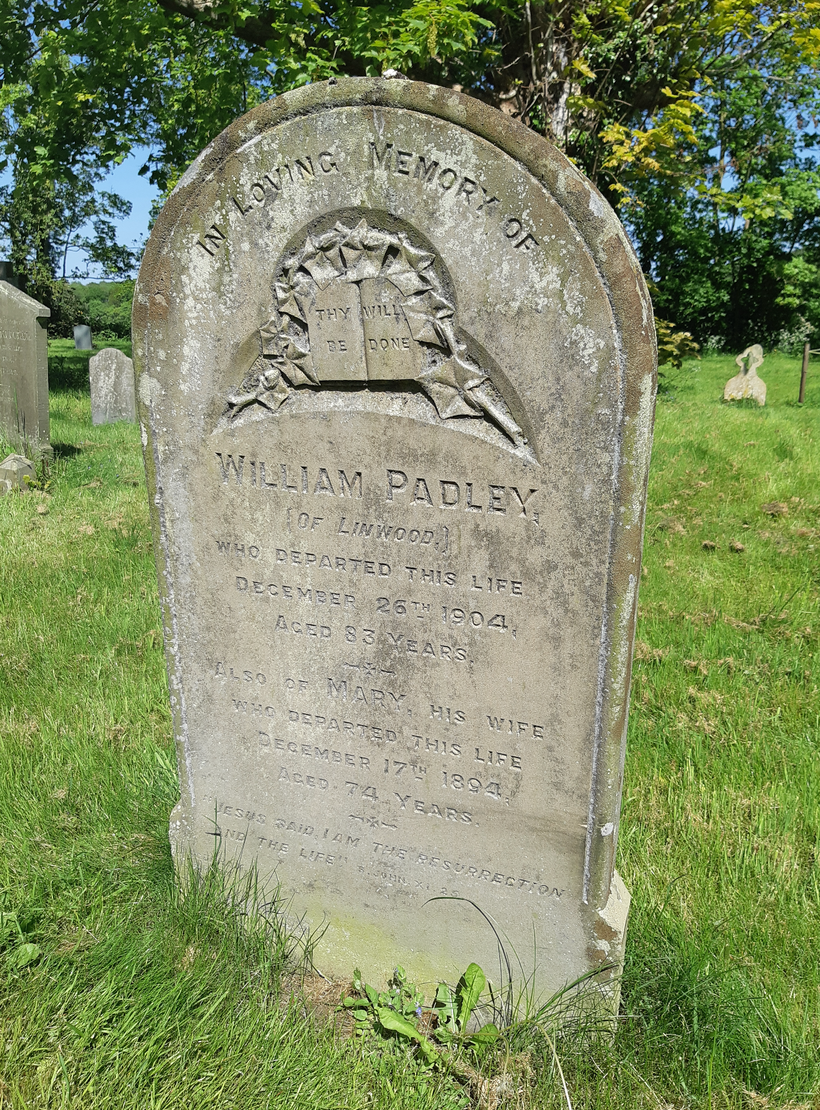
The grave of William and Mary Padley is a simple design with an open book and ivy motif, but in such beautiful condition for a grave from 1904.
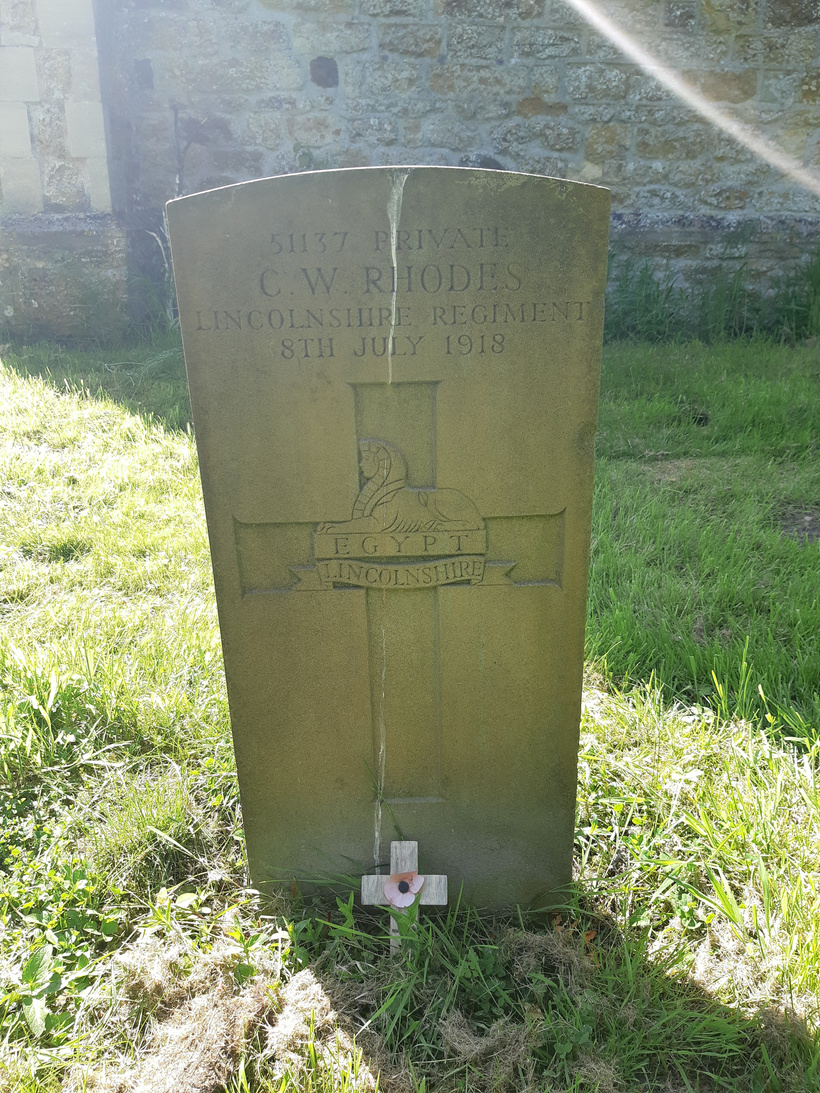
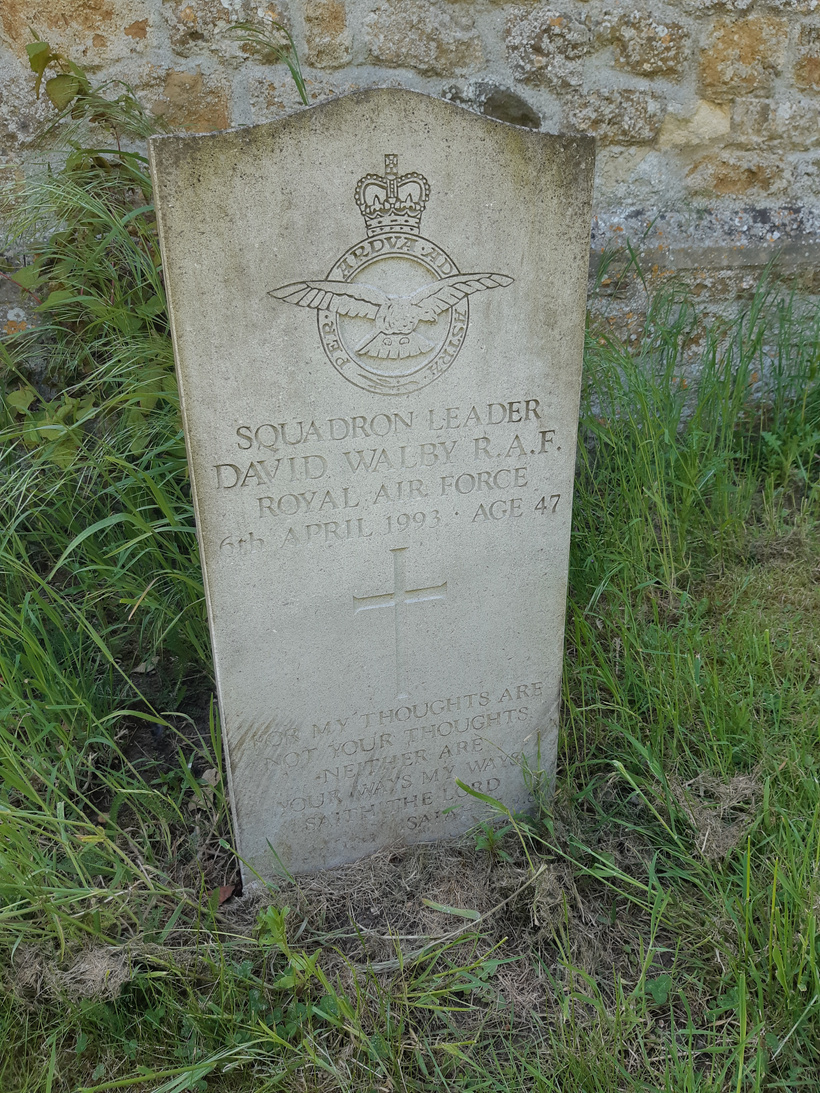
Linwood also has a handful of war graves, including those of Private C W Rhodes (51137) of the Lincolnshire regiment who died on 8th July 1918 and Squadron Leader David Walby R.A.F who died on 6th April 1993 aged 47. After a little press search, it seems that Walby instructed Prince Edward in a bulldog trainer aircraft in a 3-week course.
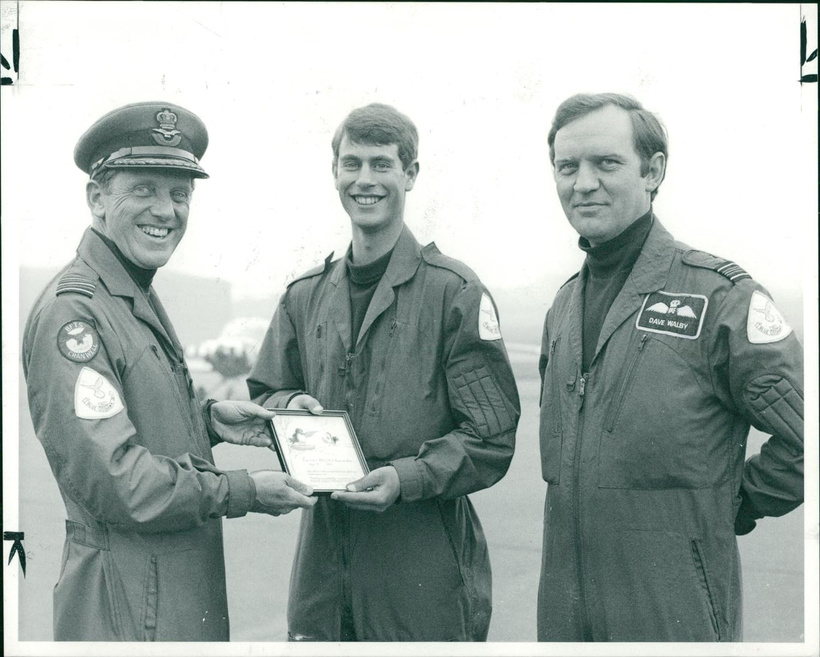
“Prince Edward receiving his first solo flying certificate at the RAF Basic Flying Training School, Cranwell, from Group Captain Dick Joyce, the school’s commanding officer. With them is Squadron Leader David Walby, who instructed the Prince in a Bulldog trainer aircraft during the three-week course.”
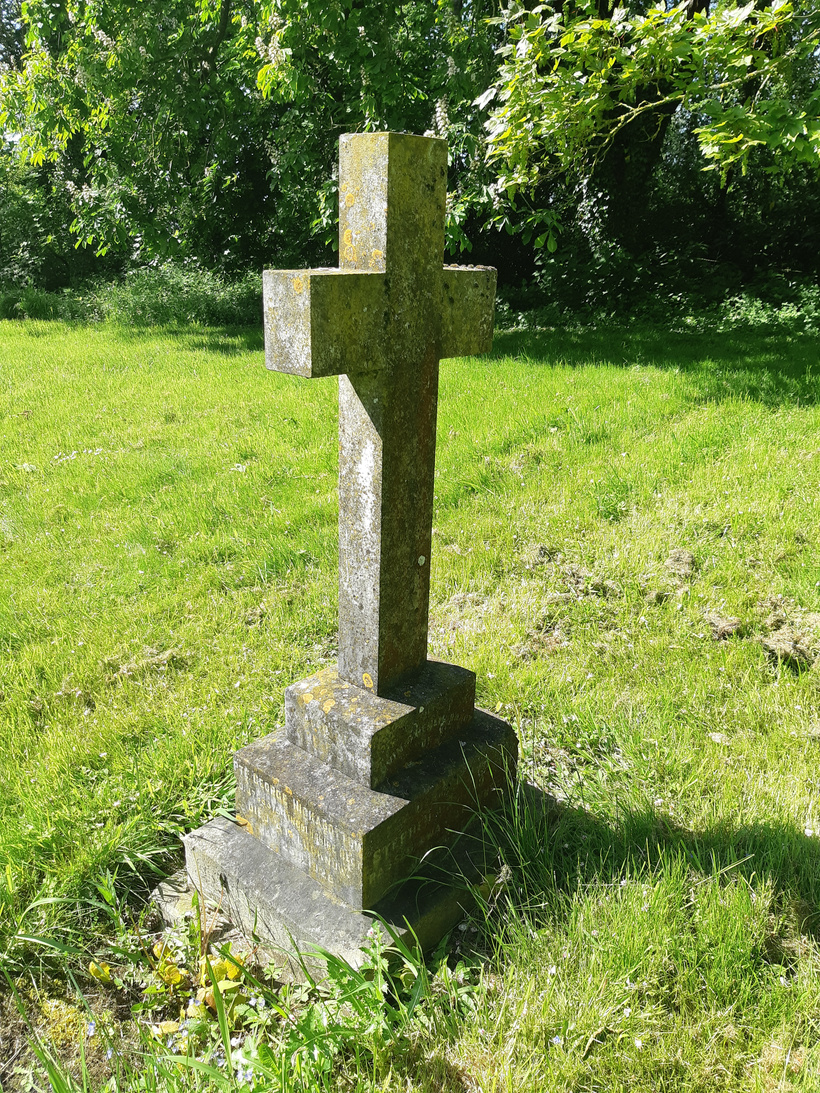
The grave of Pte. George Hickabottom is a large granite cross, marking the resting place of the Lincolnshire regiment soldier who died at Licknow on May 25th 1928.
Linwood is a beautiful, quiet and unexpected gem that has thrived in its isolation, and is well worth a visit should you find yourself near Market Rasen. I can’t help but worry for the future of the brasses and building itself with the church receiving so little support from the outside world – Linwood feels as though fundraising and support is desperately needed. Until then, we’ll see. Facing the mold and damp is well worth it in the meantime.
***

Liked this post? Then why not join the Patreon clubhouse? From as little as £1 a month, you’ll get access to tonnes of exclusive content and a huge archive of articles, videos and podcasts!
Pop on over, support my work, have a chat and let me show you my skulls…www.patreon.com/burialsandbeyond

Liked this and want to buy me a coffee?
To tip me £3 and help me out with hosting, click the link below!
https://ko-fi.com/burialsandbeyond
***
Further Reading:
https://tilesoc.org.uk/tile-gazetteer/lincolnshire.html
https://historicengland.org.uk/listing/the-list/list-entry/1166212?section=official-list-entry


 Burials & Beyond
Leave a comment