

In my never-ending quest to find strange pockets of hidden history in every town I visit, sometimes you’re going to have to accept that not everything will be deathly. Much like Whitby’s Wishing Chair, the seaside town has several stone remnants of its past scattered throughout its back streets, protected from the hands of time by years of disinterest, cluelessness and sheer luck.
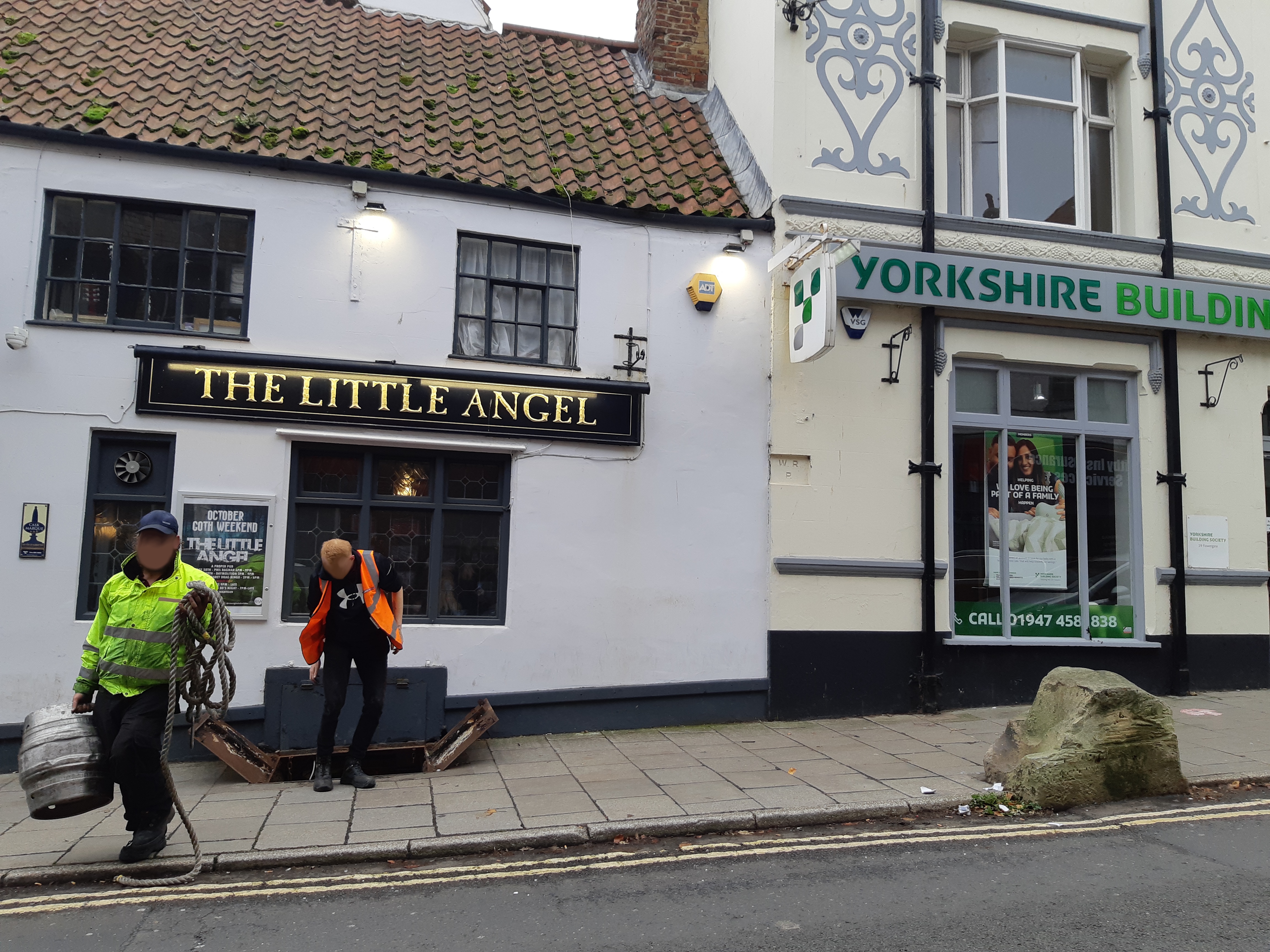
Tucked away in a few residential streets are small sets of steps that go to nowhere. Thousands of people walk past them every day, leaning on them to tie their shoes, or to take the weight off their feet after a drink too many in the nearby pub. To most, they are simply large stones or trip hazards.
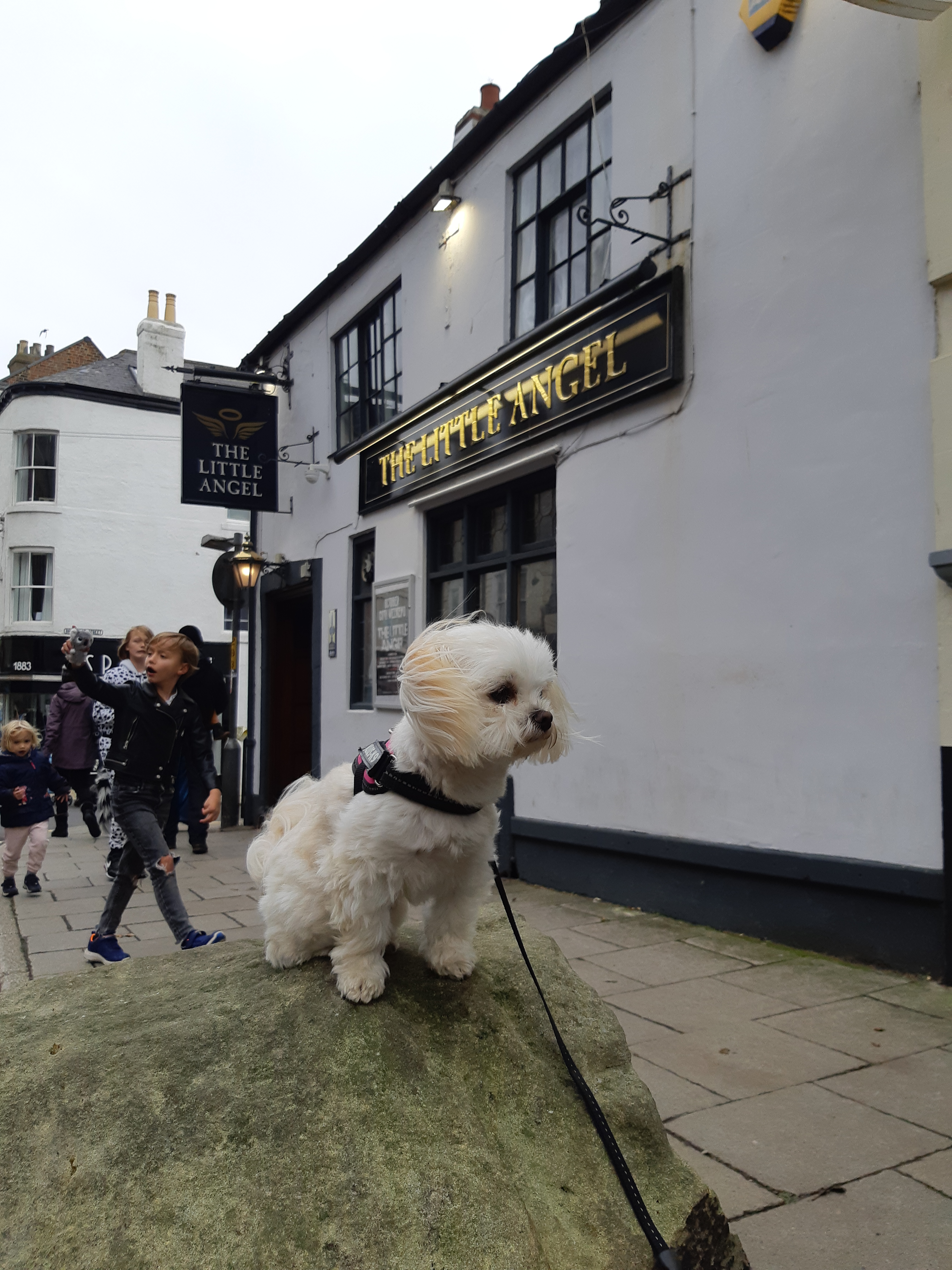
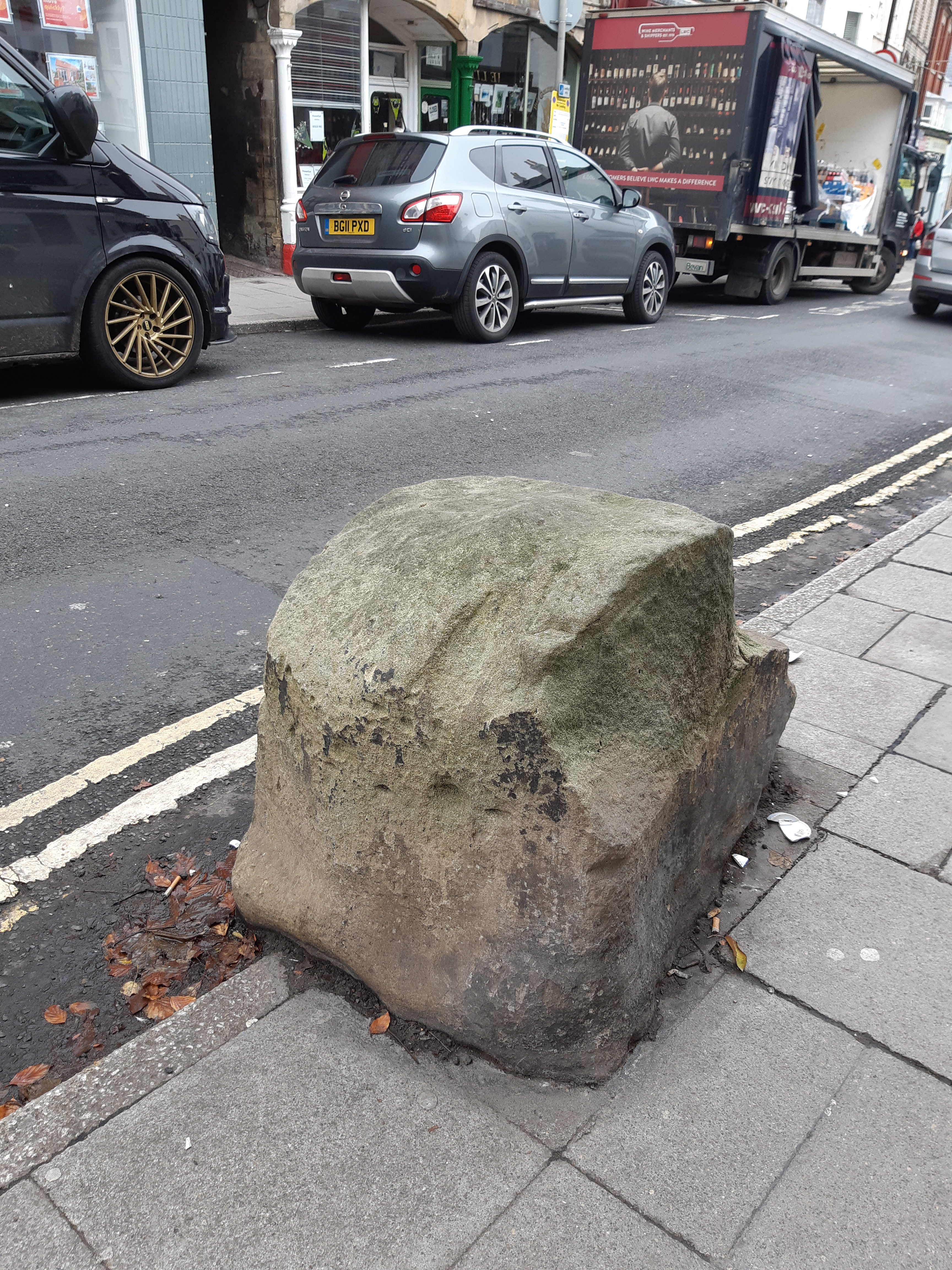
In reality, these two sets of stones – one by a house and the other outside the Little Angel pub – are horse mounting blocks from the 18th century. These strange sandstone steps were once a familiar sight across Yorkshire, as the blocks would help postmen in horse-drawn carriages hop back onto their horses with little effort. While they were once a useful part of the county’s postal route, after centuries of redevelopment and weathering, very few remain today.

While the more well-preserved example can be found in close to the St John’s Ambulance station at St Hilda’s Gardens, the other has a far more public location on Flowergate. The aforementioned Little Angel Pub is a familiar haunt to locals and tourists alike, and is particularly popular with goths during Whitby Goth Weekend, as both the Elsinore (the pub over the road) and The Little Angel have long-standing associations with the 29-year old event.

It’s little surprise that a block was installed outside a pub, as postal workers would be in dire need of a drink and some sustenance on their rounds. The Little Angel is believed to have been built in the latter part of the 18th century, potentially on the site of an earlier 12th century castle (although a popular rumour, this claim is often debunked). There are many instances of mounting blocks and steps being carved directly into pub walls to aid unsteady patrons as they left on their horses for the evening.
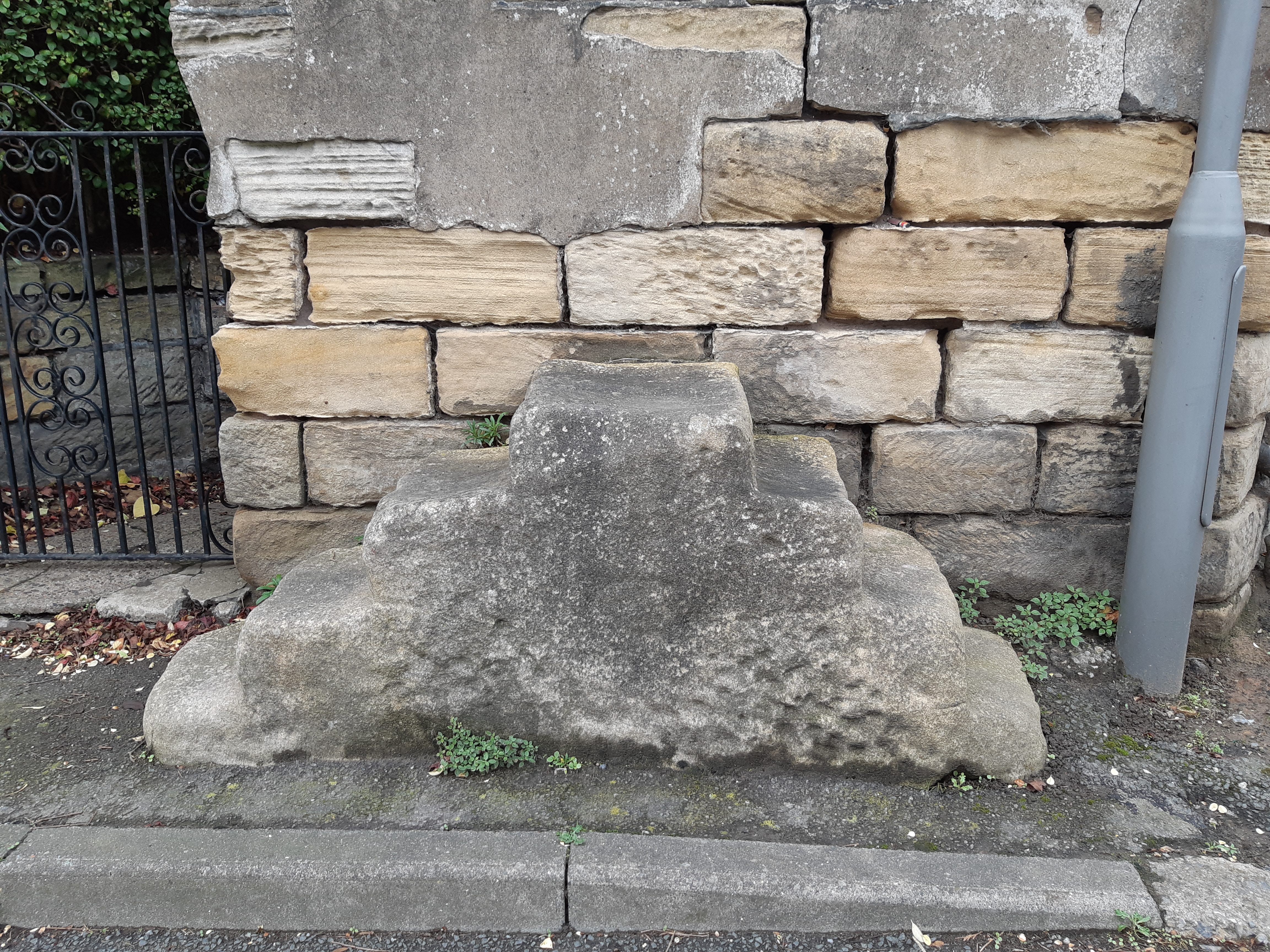
During the 19th century, when Whitby came into its own as a seaside tourist destination, the postal route operated three times a week, bringing surprisingly heavy footfall to steps that lead to nowhere.
During my visit, there were no horses, just baffled tourists wondering why I kept posing by a busy walkway, while never actually going in for a pint. I absolutely love finding little snippets of history like these, and Whitby has them in droves. I can only imagine what niche little wonders I’ll find on my next visit.
***

Liked this post? Then why not join the Patreon clubhouse? From as little as £1 a month, you’ll get access to tonnes of exclusive content and a huge archive of articles, videos and podcasts!
Pop on over, support my work, have a chat and let me show you my skulls…
www.patreon.com/burialsandbeyond

Liked this and want to buy me a coffee? To tip me £3 and help me out with hosting, click the link below!
https://ko-fi.com/burialsandbeyond
***
 Burials & Beyond
Leave a comment