

Whenever I’m fortunate enough to leave my hutch, I’m always scanning for the nearest grave, the nearest little historical nugget to excite me. If anything, being abroad elevates this need for death and social history tenfold. As such, on a trip to my beloved Finland earlier this year (I have been so many times, but learned so little. I can still barely ask where the toilets are.), my friends and I found ourselves wandering through the streets of Helsinki in search of pizza. But all was not to go to plan, for I had seen graves.
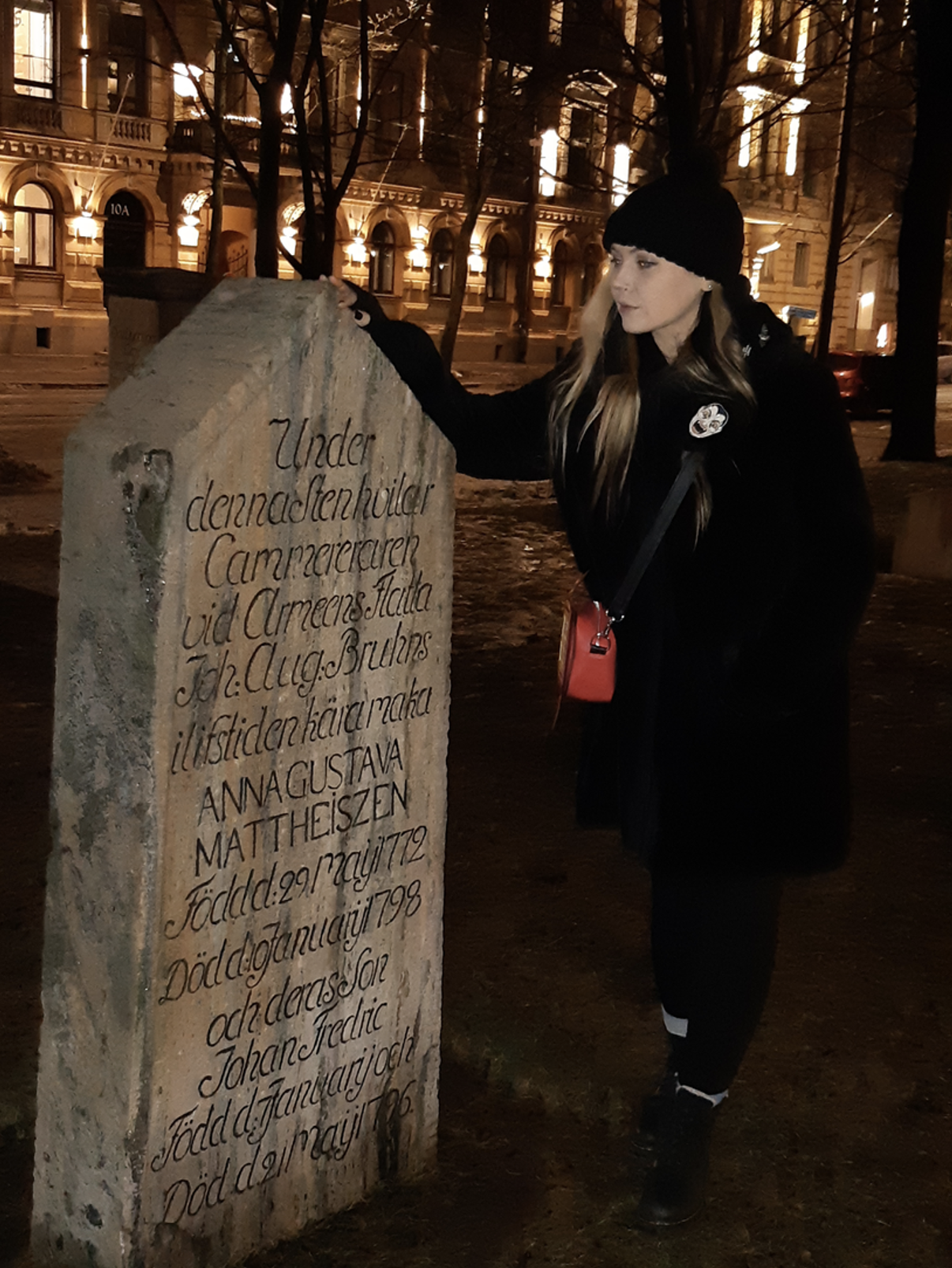
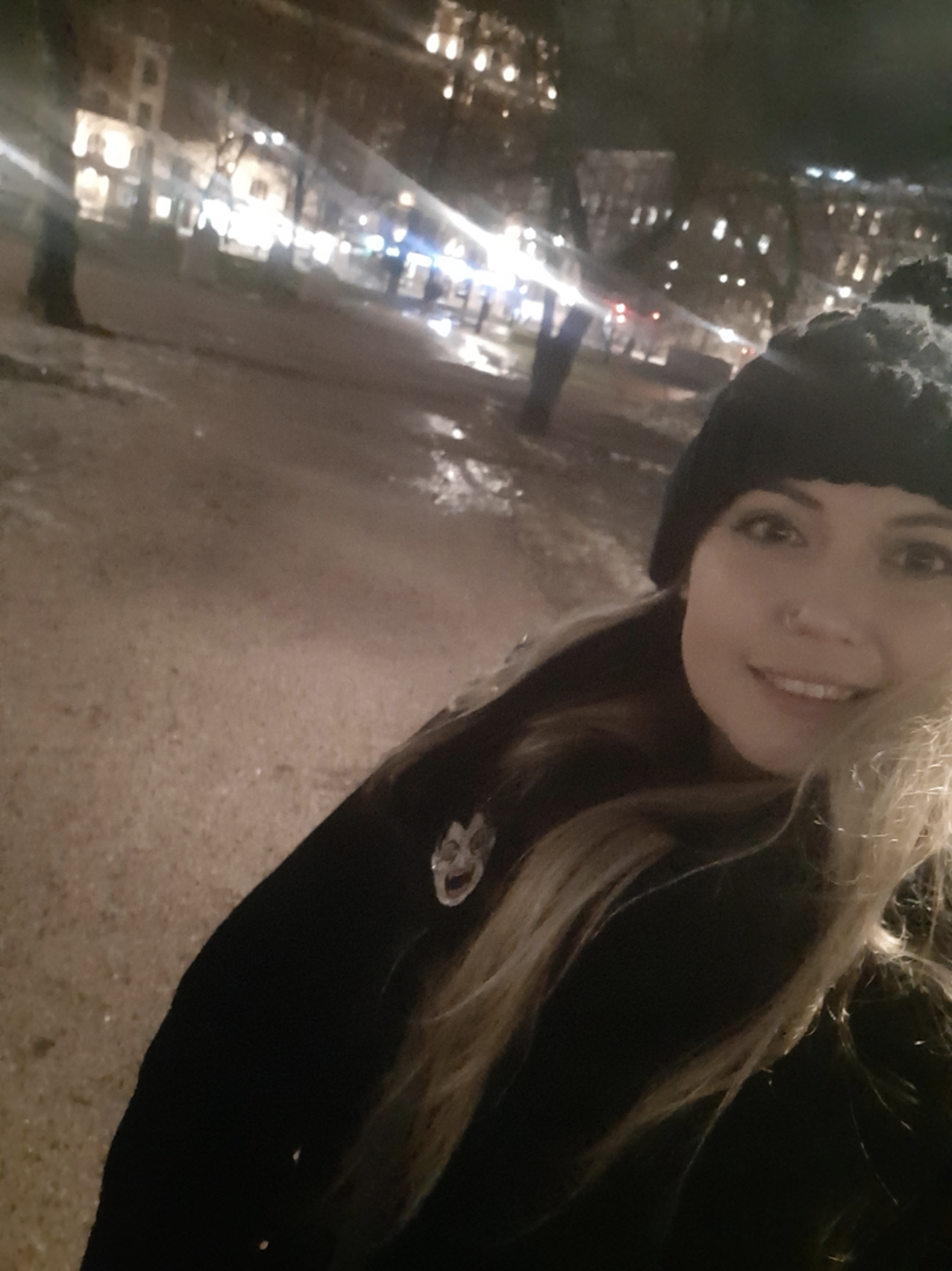
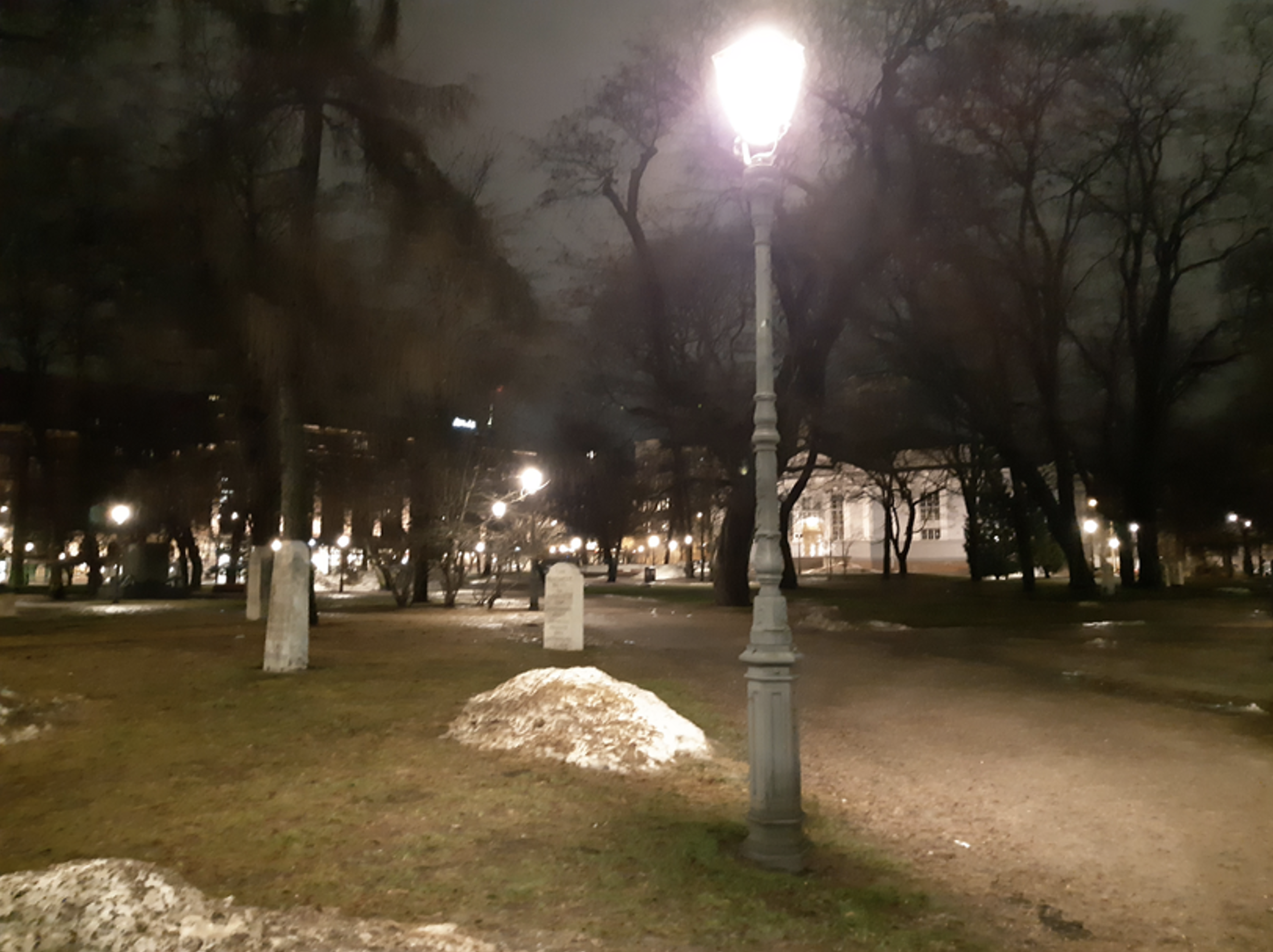
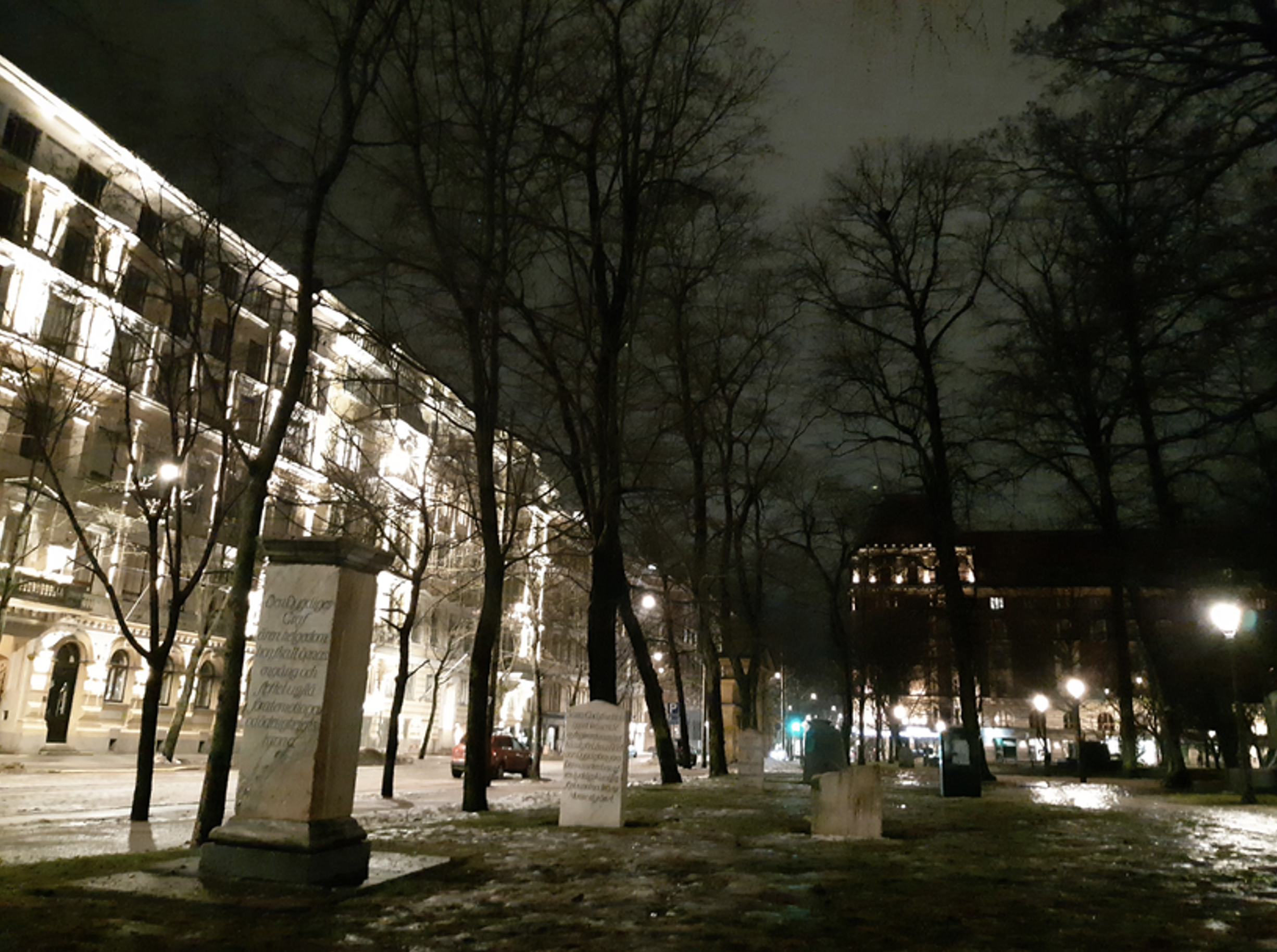
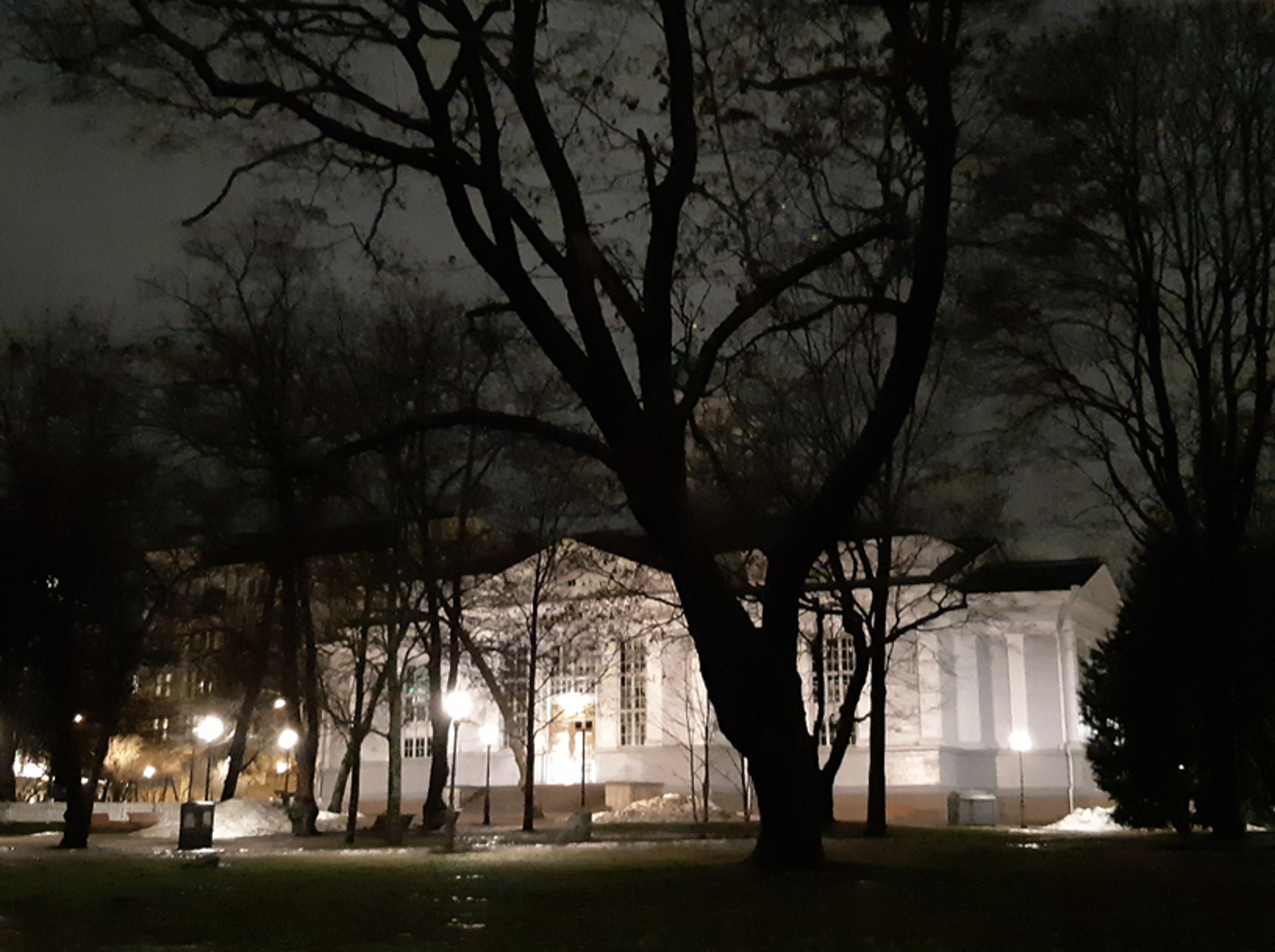
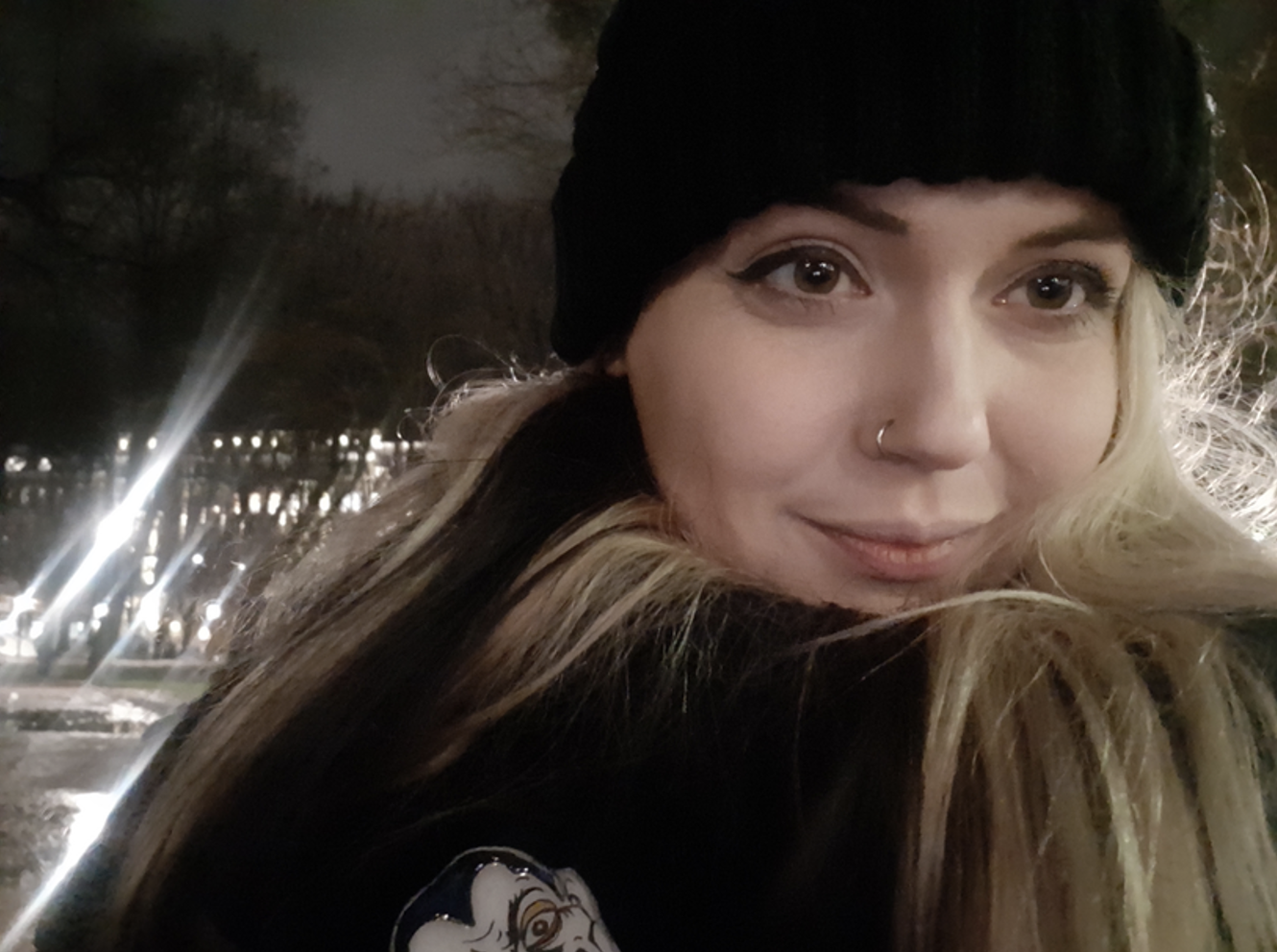
Granted, Old Church Park is best seen in summer, or in daylight for that matter, but dark January nights are inescapable and I can’t help but feel that the lamplight and thawing snow adds a certain something to the atmosphere.
In warmer months, the park is a popular haunt for locals and youngsters who gather for midsummer celebrations, or to catch a few rays when the sun briefly emerges. It’s a beautiful little green space, so the appeal is unsurprising. However, for all its usually-bright flower beds, it has been affectionately known as ‘Ruttopuisto’ since the 1960s, which holds a far darker meaning than ‘Old Church Park’. ‘Ruttopuisto’ means ‘plague park’, and is the final resting place of thousands of Finns who died in the great plague of 1710.

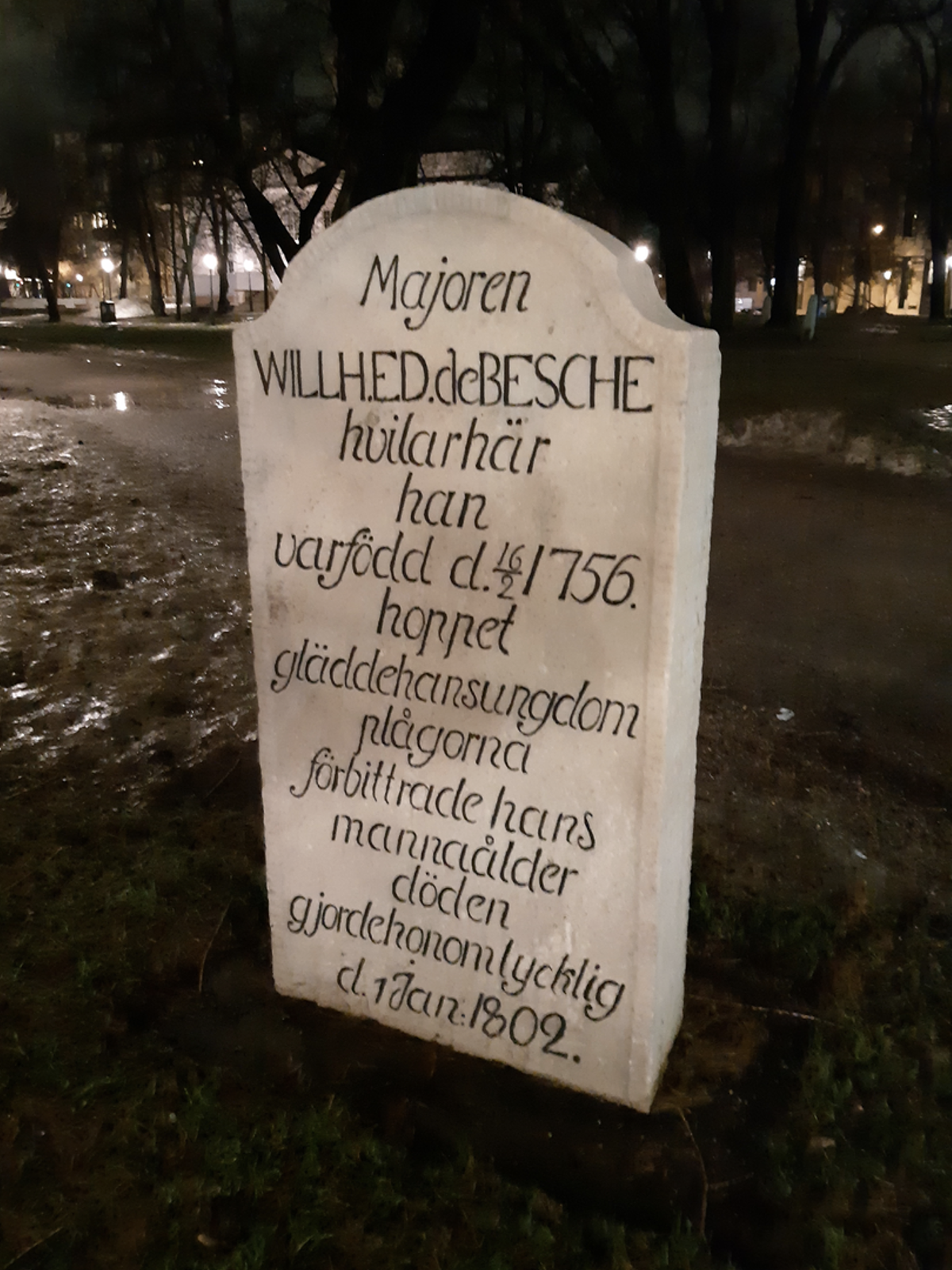
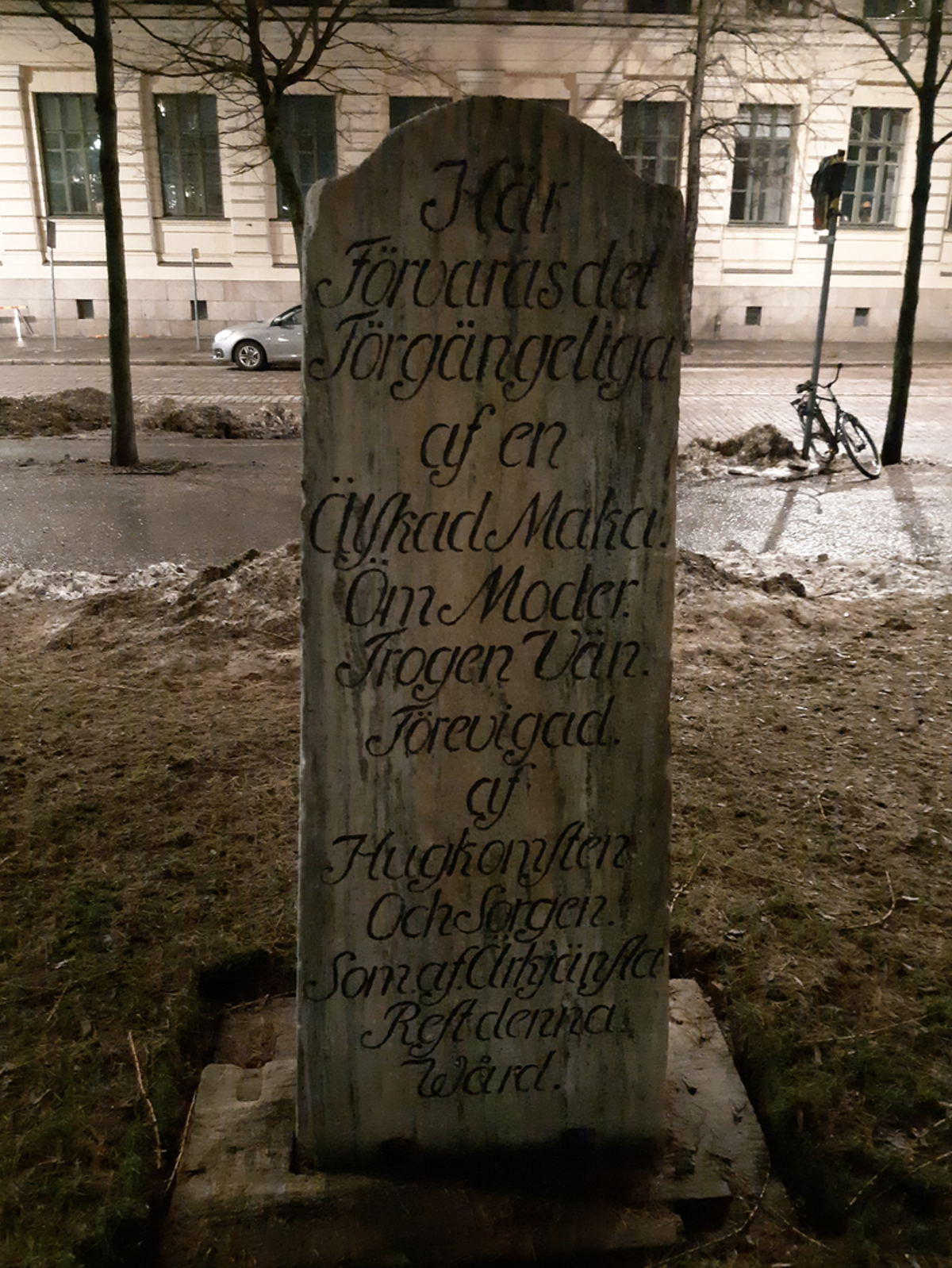
Vanha kirkkopuisto (Old Church Park) is a relatively small space, but contains a number of large, rustic headstones, a mausoleum and the capital’s second-oldest church. The plague pits are situated beside the church and are largely unmarked, meaning that these lives and history are largely unacknowledged by those who have missed out on local history.
The history of cemeteries and burial grounds in the Kamppi area of Helsinki is well documented and portrays a rather more forward-thinking attitude to the UK’s long-standing issues of overcrowded churchyards. Before the plague park was founded in 1790, there were four other separate burial grounds in the district, with few surviving today. Official estimates suggest that over a period of 130 years, 10,000 individuals were buried in Kamppi. While this is a large number, compared to the burial grounds of other cities, it highlights the modest population of Helsinki in comparison to its neighbours.
Nonetheless, as the city has expanded and developed, building work continues to unearth more of the city’s dead. Many of the older residencies have required extensive modernisation and new pipelines, which have required the movement of more than a few skeletons.
There have been many periods of famine and disease in Helsinki, each resulting in a large number of bodies needing burial. From 1695-1697, the whole country (and several surrounding it) endured an extreme famine, now known in history books as the ‘Great Famine’ or ‘The Years of Many Deaths’. During this period, Finland lost around a third of its population, with an estimated 150,000 (in a population of 500,000) deaths. A series of Cold Summers and warm winters resulted in a rotten harvest, which was then delayed by flooding in the Spring. So extreme was the lack of food that those who survived did so on a diet predominantly of bark bread, with countless others begging for food. To an even greater extreme, cases of cannibalism were even reported, such were the conditions at the time. These bodies were buried in unmarked, mass graves alongside Fredrinkatu and Bulevardi, taking up a lot of prime real estate.
Then, a few years later in 1710, the plague struck the Finnish capital, decimating an already-depleted population. At the time, Helsinki had a around 3,000 inhabitants, but in the period of August to December, 1185 people died. According to reports, most of these people were residents of Helsinki, but others were refugees and soldiers. The first wave of bodies were buried in the graveyard of the church which is now known as Senate Square, and the others were buried on the far side of the park by Annankatu, where they lay alongside the famine victims of just a few years before.

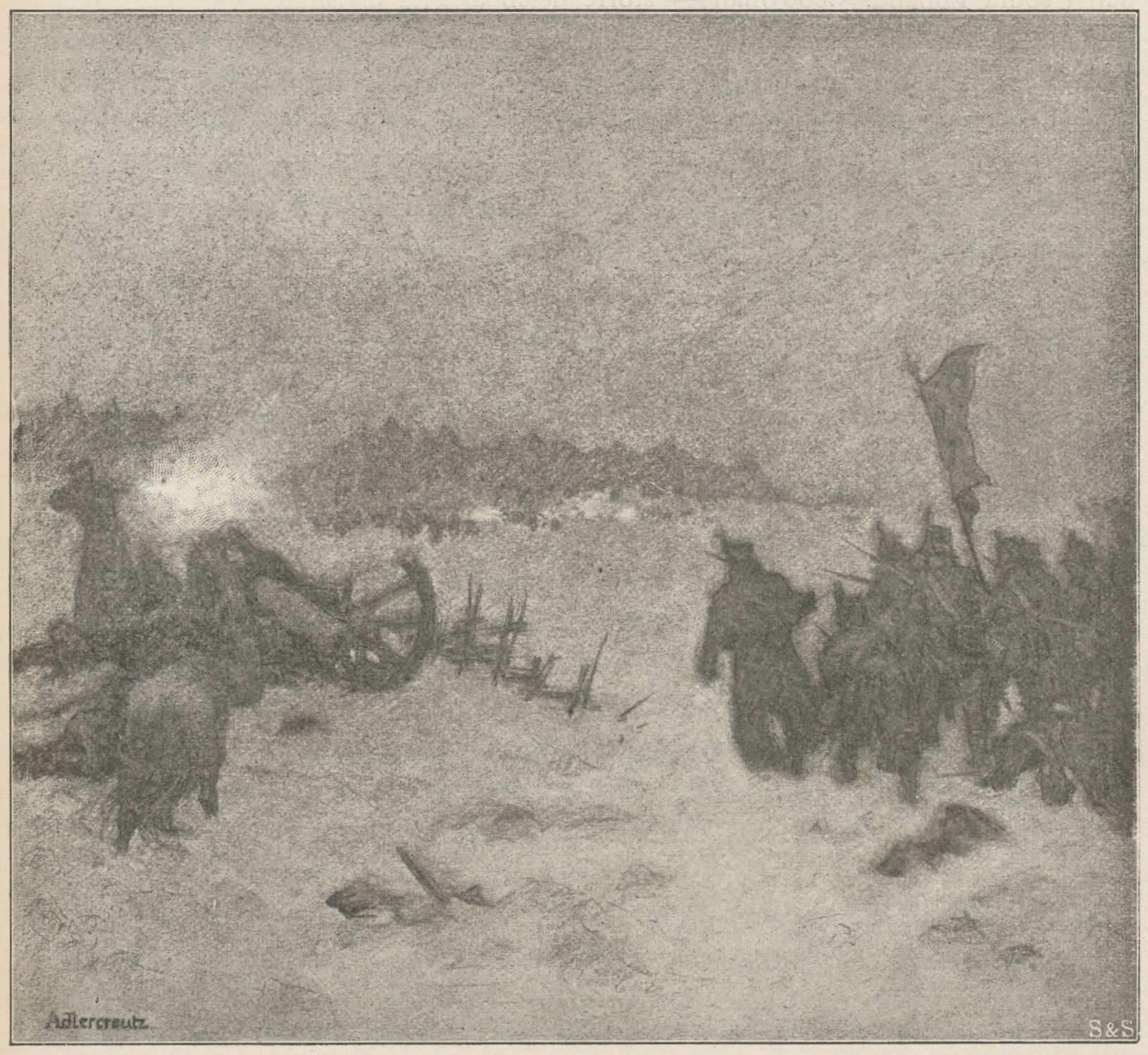
During the Finnish war of 1808-1809, Russian forces entered Helsinki and took over the spaces vacated by Swedish troops. In place of their own burial grounds, they used the land at 71 Bulevardi, but were eventually stopped when it was required for other usage. At this point, Tsar Alexander I agreed for the old cemetery to be dug up, its dead relocated to the coast which had previously been an exclusively Greek Orthodox burial ground.
These original Kamppi burial grounds were established, expanded and repurposed for the growing city and have left little indication that they ever existed, save for the graves by the Old Church.
The old church graveyard was initially constructed in 1790 as a burial ground or cemetery separate from the church itself and was intended to sit beside the graves of the famine and plague victims. Over time, this modest space was integrated into the church surroundings and remodelled as a park for local residents, planting trees and considering the visual appeal of the site far more than before. By 1829, Hietaniemi Cemetery had opened, offering a far larger and less crowded grave option for residents, and burials were closed at the old church.
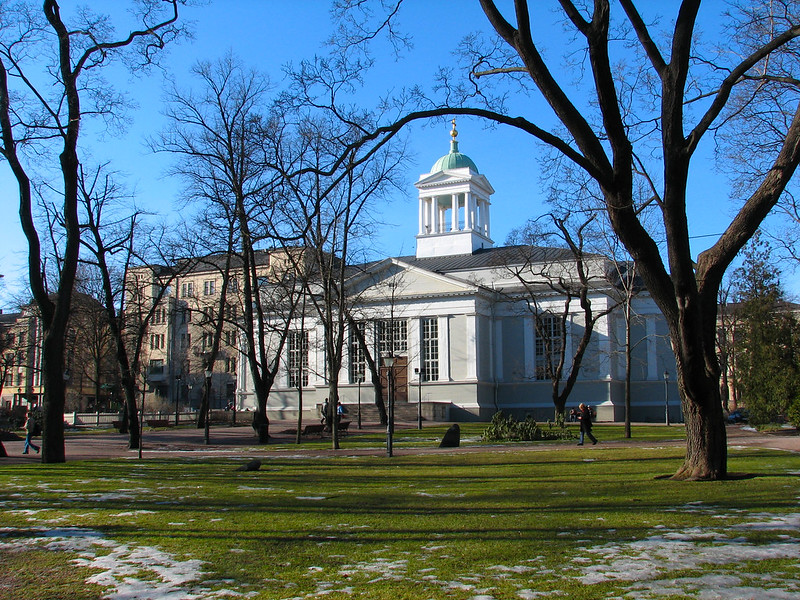
As with so many burial spaces, it fell into a state of neglect (this would not be the last time) and soon only the main pathway to the church was accessible. Yet, after a period of campaigning by local residents, it was refreshed once more with new shrubbery, paths and guttering, being fully revamped by 1900.
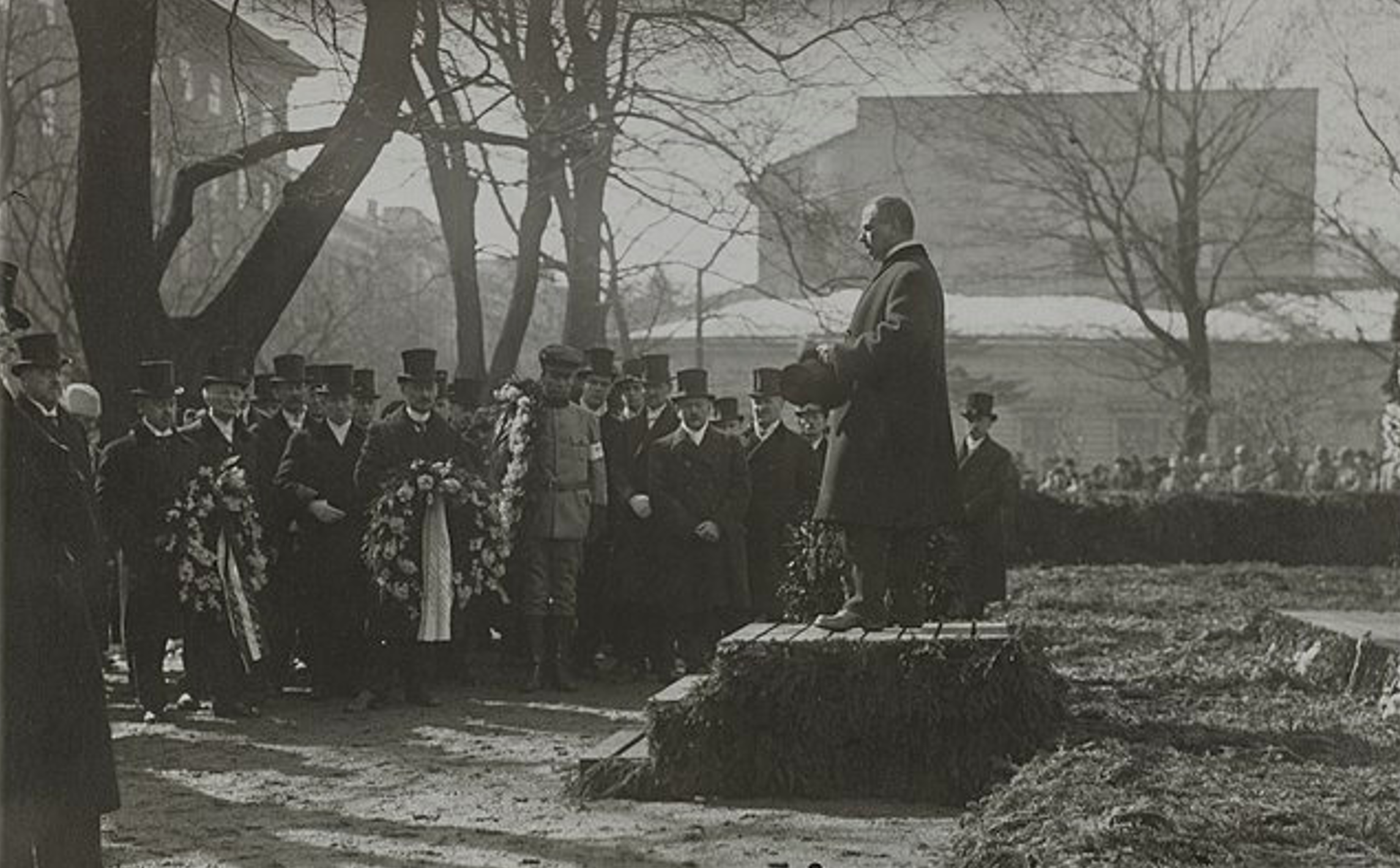
During this period, over 90 years after its final burial, three other graves were added. The first was the mass grave of 54 German soldiers who died during the liberation of Helsinki in 1918. The lives of these soldiers are commemorated in a large granite sarcophagus and carved depiction of a pained or grieving man, designed by Gunnar Finne and Siren and now held in the collection of Helsinki Art Museum.[1]
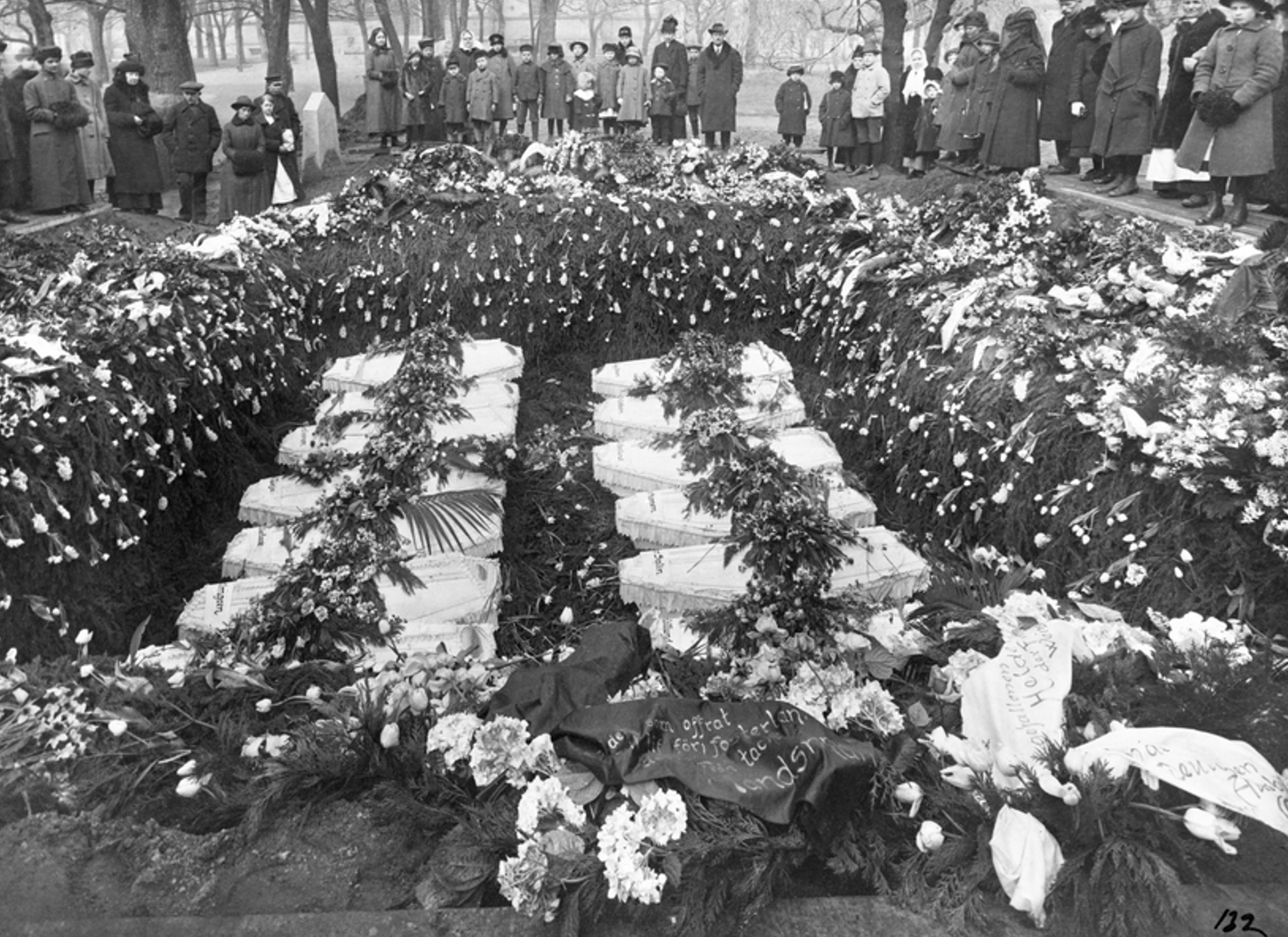
The second is a memorial to Finnish soldiers who died in April 1918 and is a huge granite slab with carved Greek-style reliefs and the quote, ‘O beautiful land of the Fathers, For you in life and death, How sweet it is to sleep in your free soil.’

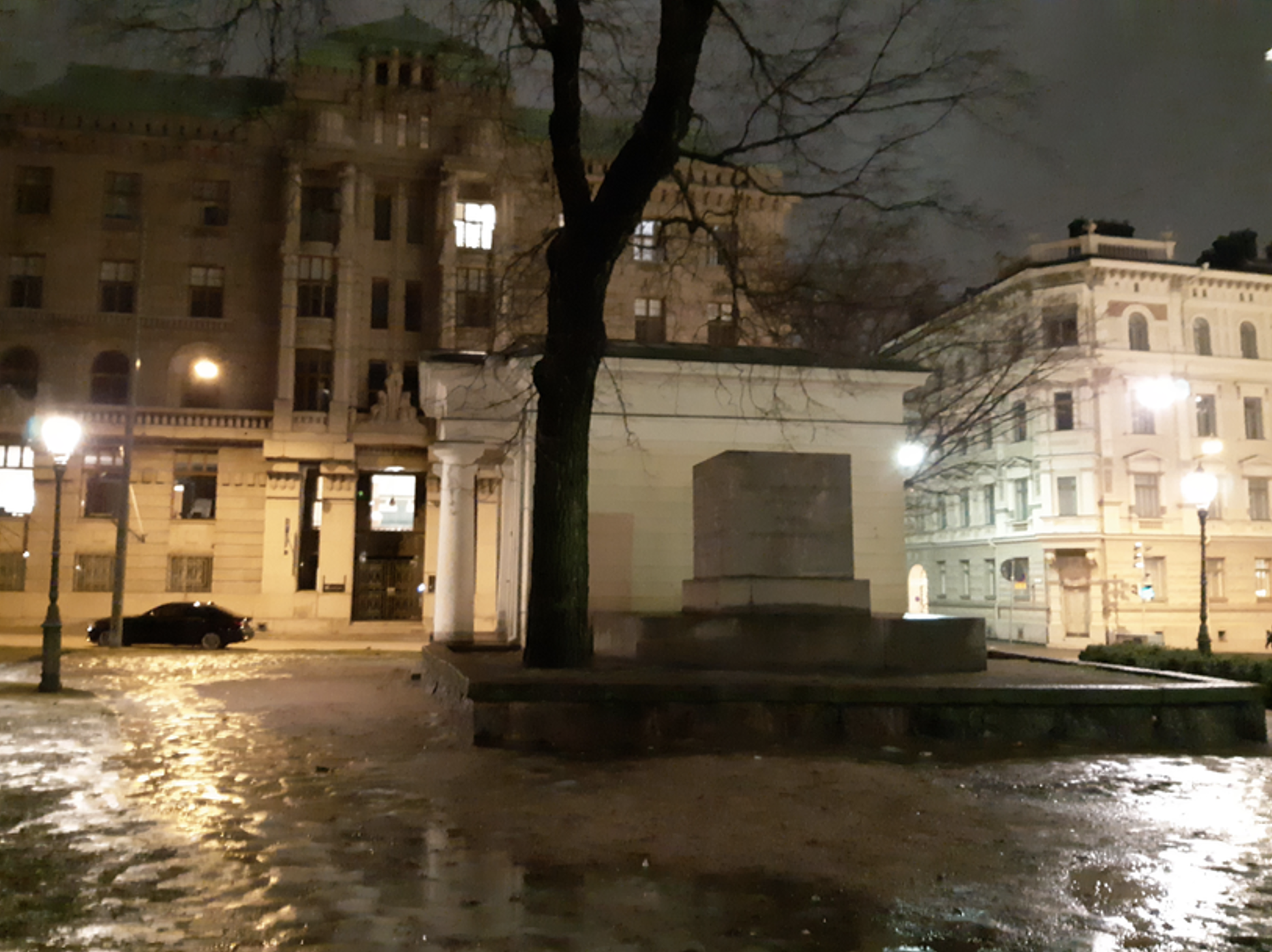
The third memorial also commemorates Finnish soldiers, but those who volunteered to fight in the Estonian War of Independence in 1919. This red granite cube is marked with the names of the fallen and quotations in Finnish, Swedish and Estonian.
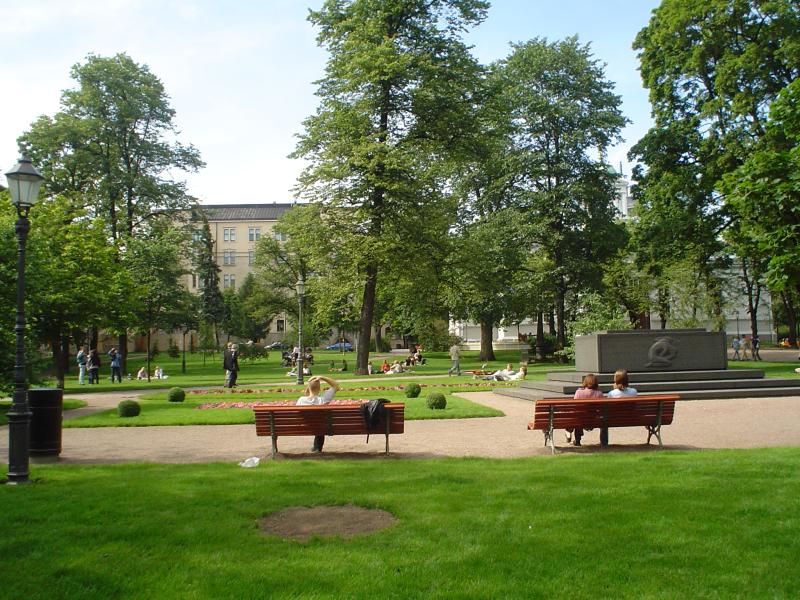
Once again, after years of overgrowth untended pathways, the graveyard fell into disrepair and was finally saved from itself in the late 1990s, when a full renovation of the site was funded and supported at long last. All remaining headstones (approximately 40) were cleaned and the environment re-ordered and modernised for the changing city landscape. During this period, many of the trees had to be removed for safety, but those that remain are decorative and unusual for burial sites, being apple trees, magnolias and pear trees that all prove particularly popular with wildlife during the summer months.
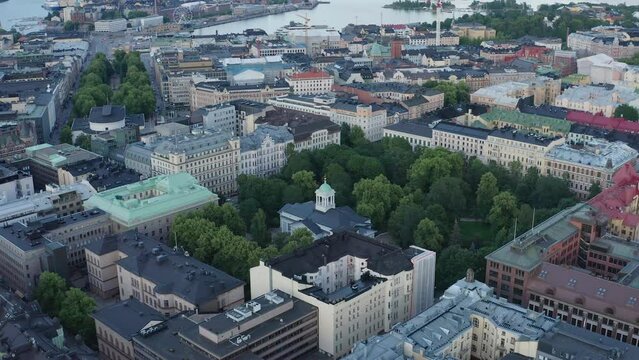
Today, Vanha kirkkopuisto remains as popular and as admired as many other city parks, and is utilised as an event space on occasion, integrating the dead into the lives of the living once more. As a nocturnal visitor, I can only continue to sing the praises of Finnish graveyards, and the magical quality of snow on memorials. But most of all, next time I’m in the city, let’s hope I can visit it in daylight…
***

Liked this post? Then why not join the Patreon clubhouse? From as little as £1 a month, you’ll get access to tonnes of exclusive content and a huge archive of articles, videos and podcasts!
Pop on over, support my work, have a chat and let me show you my skulls…
www.patreon.com/burialsandbeyond

Liked this and want to buy me a coffee? To tip me £3 and help me out with hosting, click the link below!
https://ko-fi.com/burialsandbeyond
***
Further Reading:
https://www.facebook.com/pages/Vanha%20kirkkopuisto%20(Ruttopuisto)/178782482171491/
https://vihreatsylit.fi/en/vanha-kirkkopuisto/
https://www.helsinginseurakunnat
https://sarikuoppala.com/tag/helsingin-puistot/ (Finnish)
https://katovuodet1860.wordpress.com Finland’s Great Hunger Years Memorials
[1]https://www.hamhelsinki.fi/en/sculpture/saksalaisten-sotilaiden-hauta-gunnar-finne-j-s-siren/
 Burials & Beyond
Leave a comment