

Hello there! Today we’re hopping into the car, dodging Sunday drivers and visiting another redundant church with some interesting graves and terribly fancy stonework.
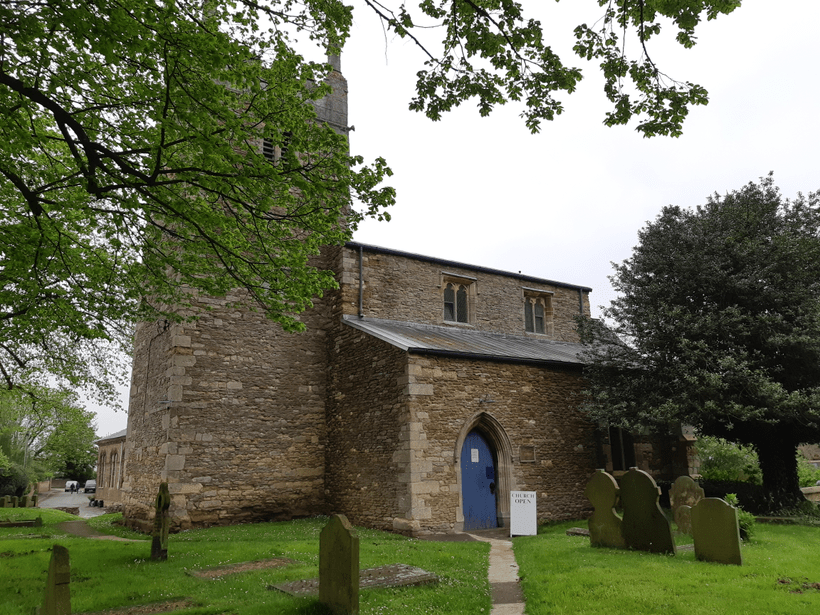
St Peter’s at Normanby-by-Spital isn’t the most elaborate or busy of historical churches, but a simple and somewhat solemn one. Redundant since 1975, it is now in the care of the Churches Conservation Trust and open daily for people such as ourselves to visit and enjoy. St Peter’s is in an elevated position in the centre of the village, surrounded by houses and a the former Methodist Free Chapel (built 1864), now a private residence and currently covered in scaffolding. While the church is kept in good condition by the trust, it seems to be somewhat separate from the community it once served, but has a slow trickle of out-of-town visitors.
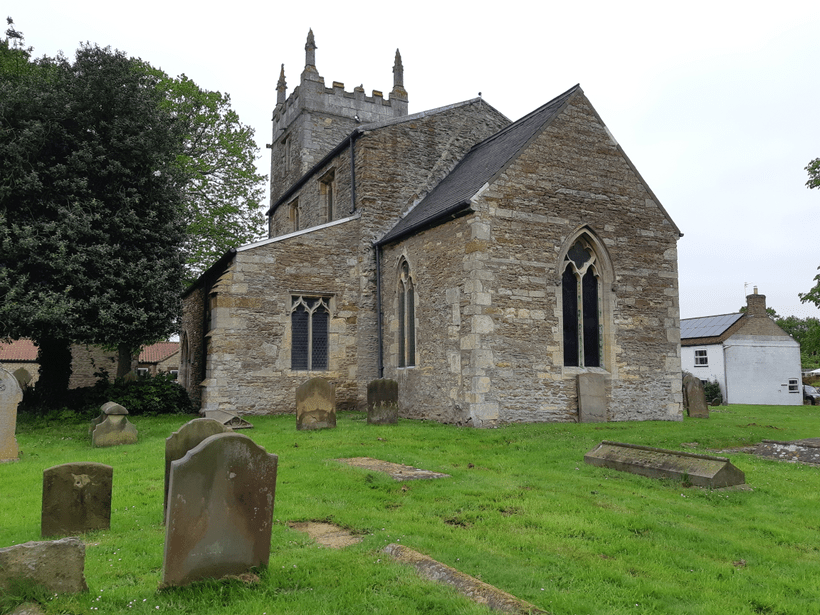
The church building is a typical mish-mash of centuries, having a 12th century tower and additions from the 13th-15th centuries, all of which were restored in 1890. This substantial Victorian renovation, headed by Goddard & Sons involved the rebuilding of several aspects of the church including the chancel and its archway. From outside, the old foundations and original structural lines or quoins (the large structural blocks at the end of a wall) show the many different lives and sizes of the building. The placement of a line of quoins within the church structure demonstrates how the chancel has been extended by around 2ft, presumably for reasons only known to the renovators.
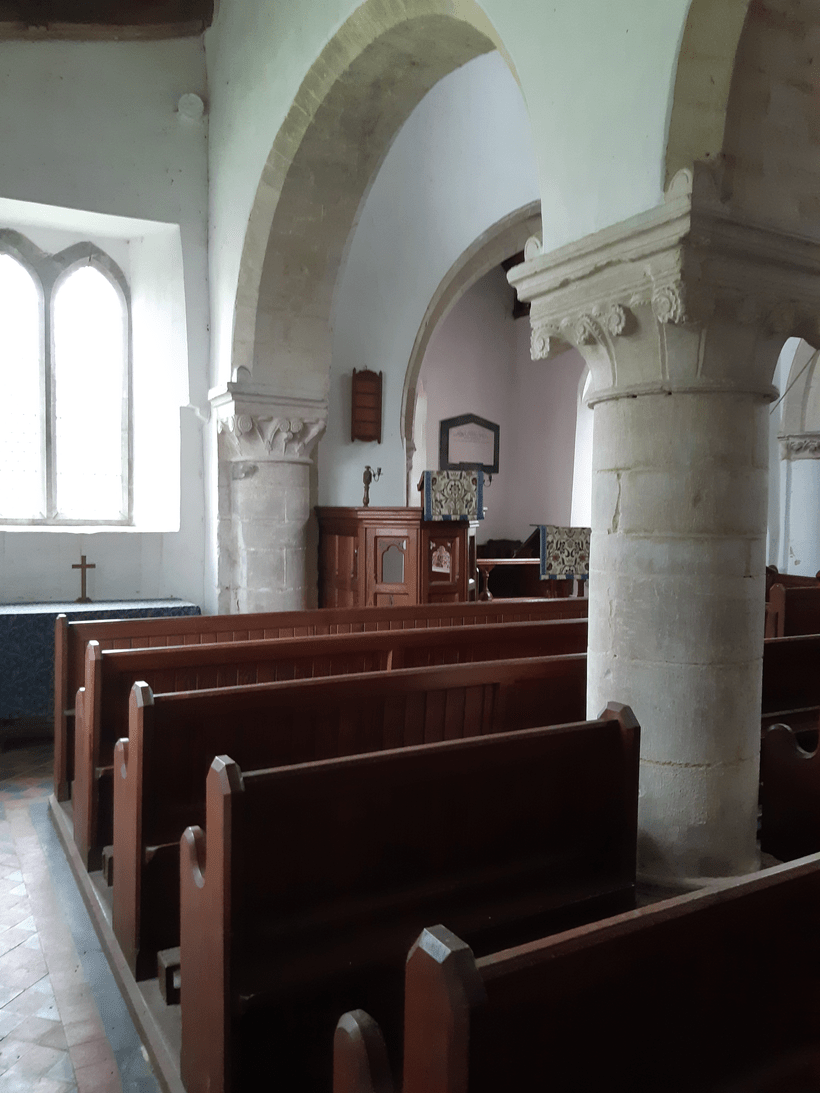
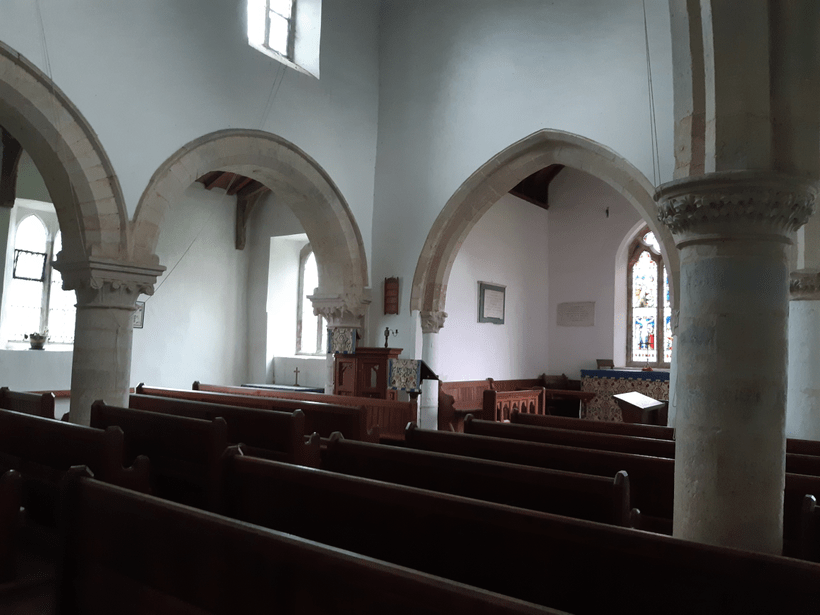
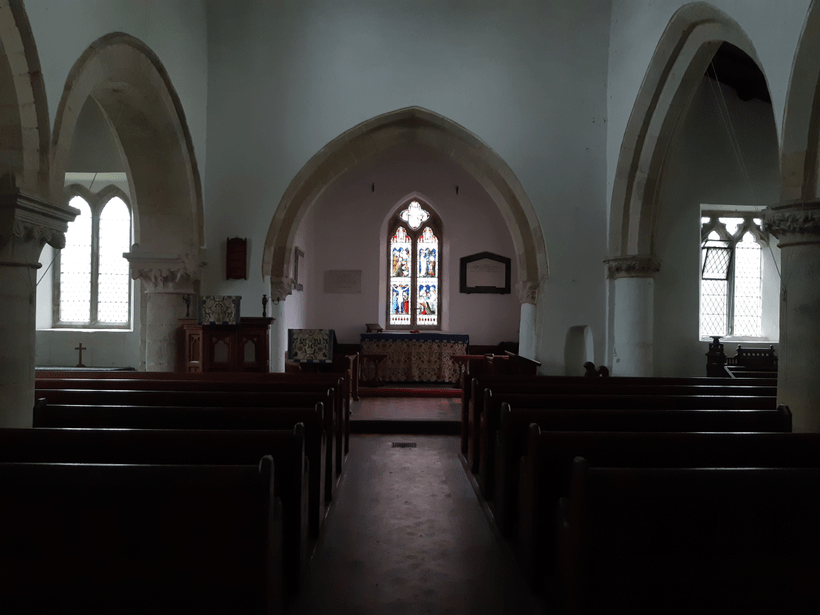
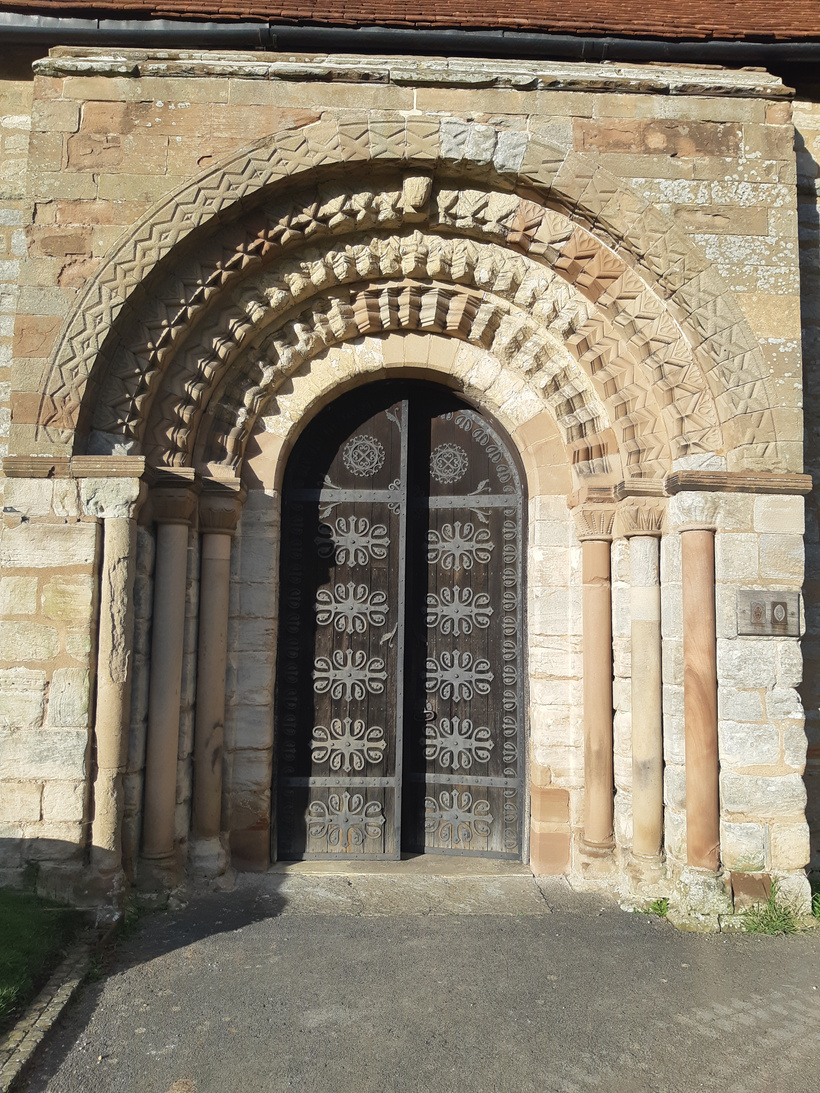
The church interior is a simple affair, but shows how the Victorian renovations sit against a far longer timeline of ecclesiastical architecture. The south doorway is a Victorian replica of a 14th century moulded doorway, yet at the other end of the church, spectacular – and rare – Norman capitals are perfectly preserved. The arcade (believed to be Norman) is celebrated for its elaborate decoration. According to Historic England, ‘The single chamfered round arches have rounded stops and chamfered hood moulds. The south arcade has circular pier, responds, bases and abaci with formal stiff leaf capitals supporting C13 double chamfered pointed arches.’[1]
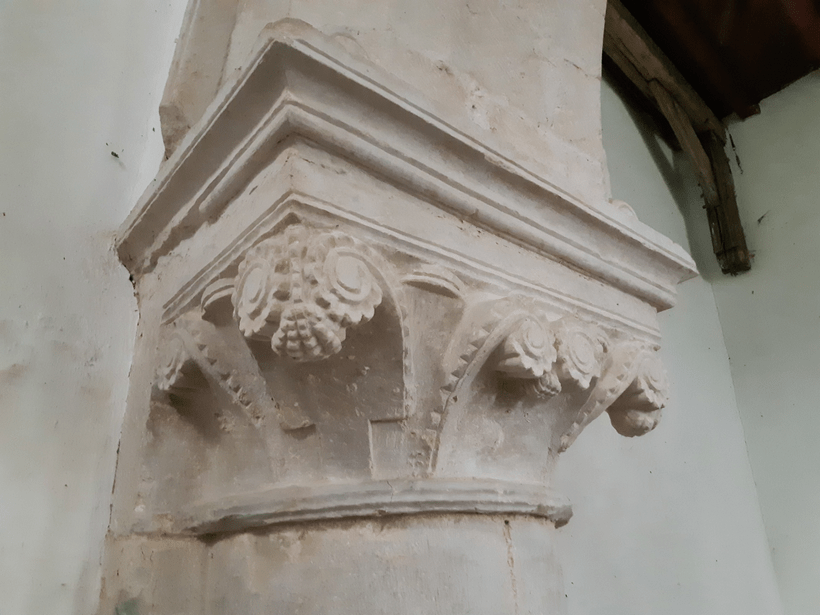
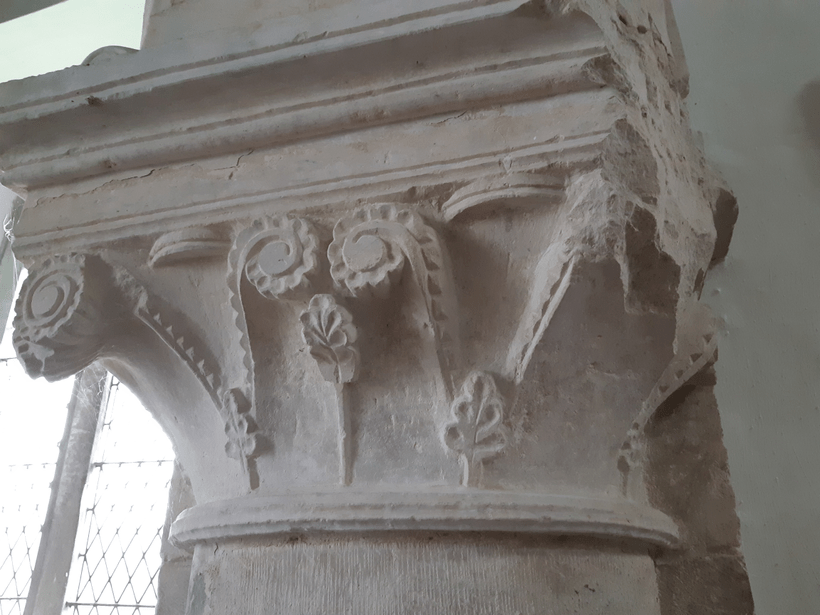
In layman’s terms, the capitals, being the decorative tops of columns are decorated with coils of ‘abaci’, being the plural of abacus – the counting device consisting of rods and moving beads. These are, in turn, decorated with curling crockets (a small, carved ornament, commonly featuring buds) to great effect. The other capitals, being far later, are decorated with a more substantial, chunky leaf decoration.
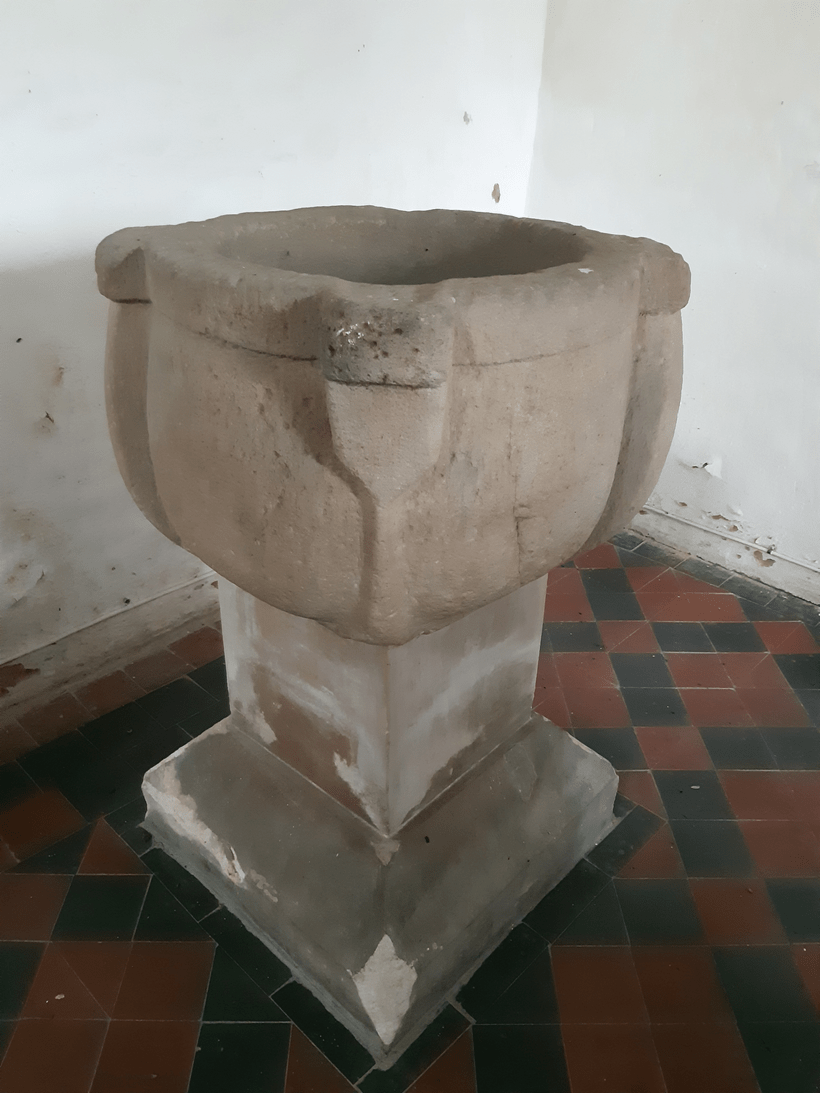
The font of St Peter’s is an example of centuries-old reuse. Rather than being custom-made for the purpose of baptism, this particular font was originally a kitchen mortar from the medieval period.[2]
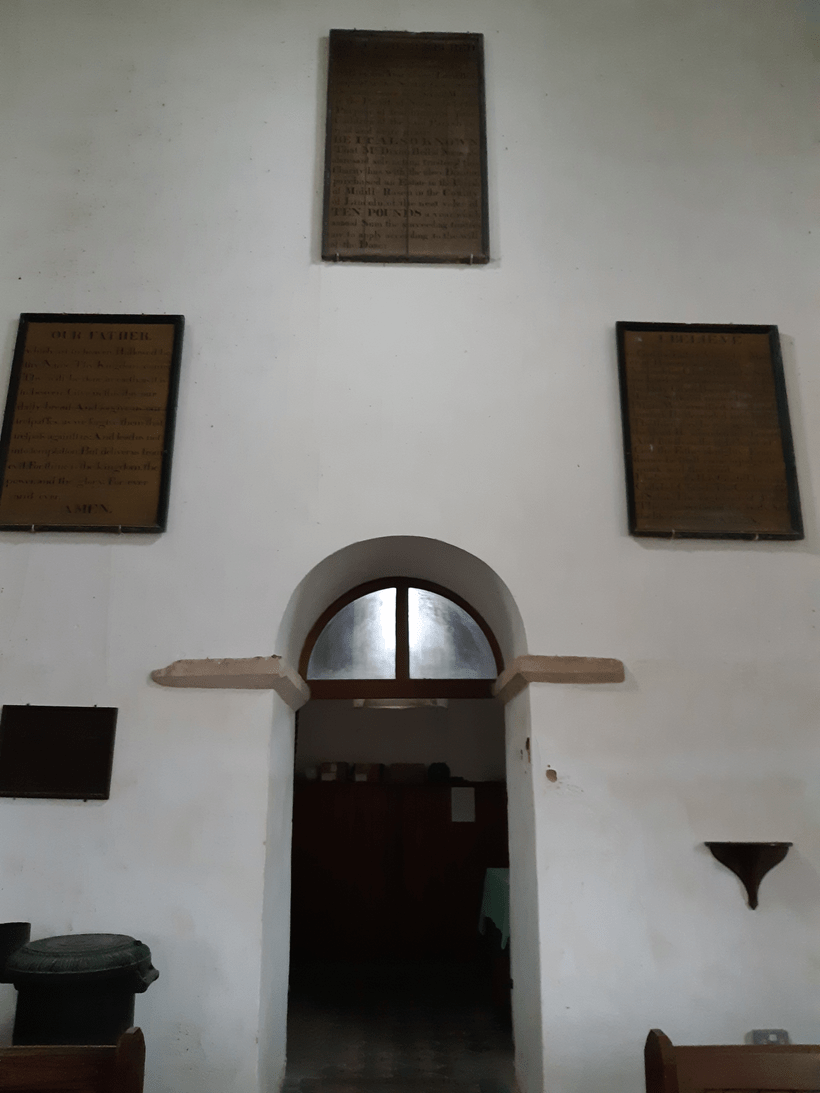
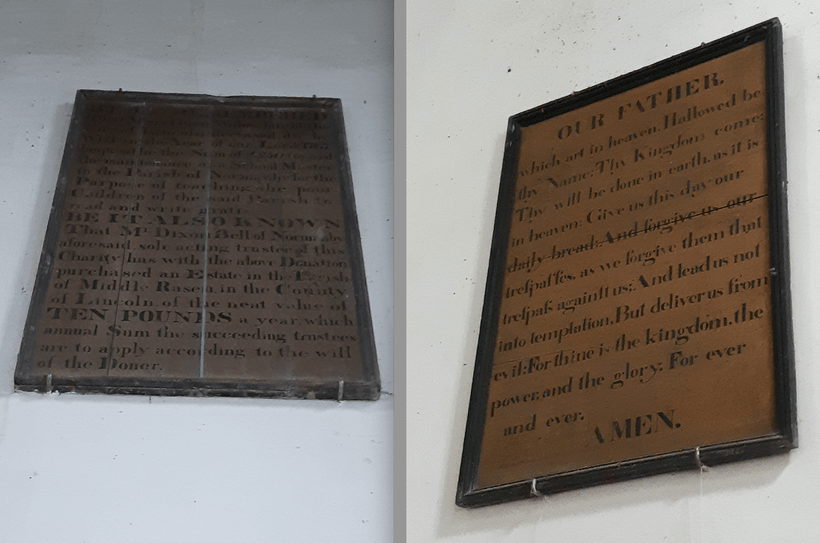
While the walls are predominantly unremarkable plasterwork, one is adorned with 18th century benefaction boards. Between the Lord’s Prayer and Apostles Creed, is a similarly designed large board dated 1767 giving thanks for prominent citizens’ (such as Mr Dixon Bell of Normanby) substantial donations to the church and poor school.
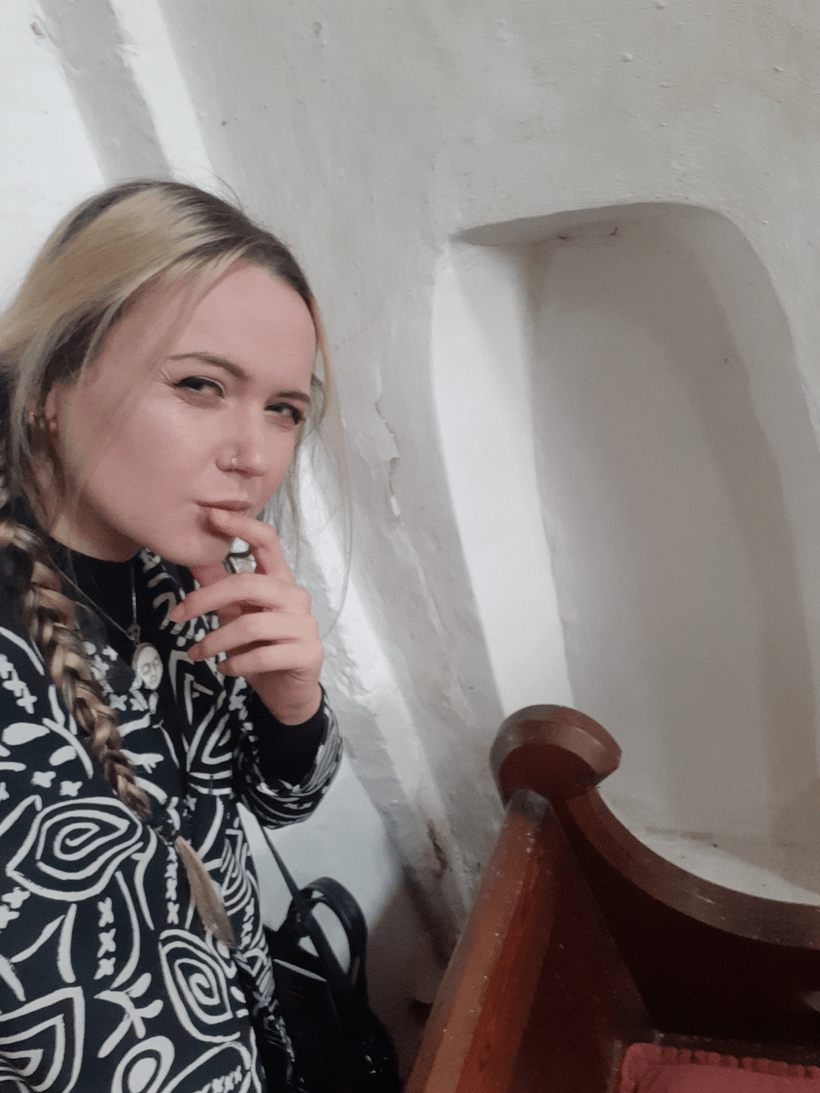
One of my personal favourite finds was the bricked-up medieval squint (demonstrated further by my squinting at it in the photo. Gettit? Comedy genius, me.) Squints were holes in the church building, allowing the congregation – who could not see the altar from their position – to witness the elevation of the host (the bread) during the eucharist.
Other interesting items within the church grounds include:
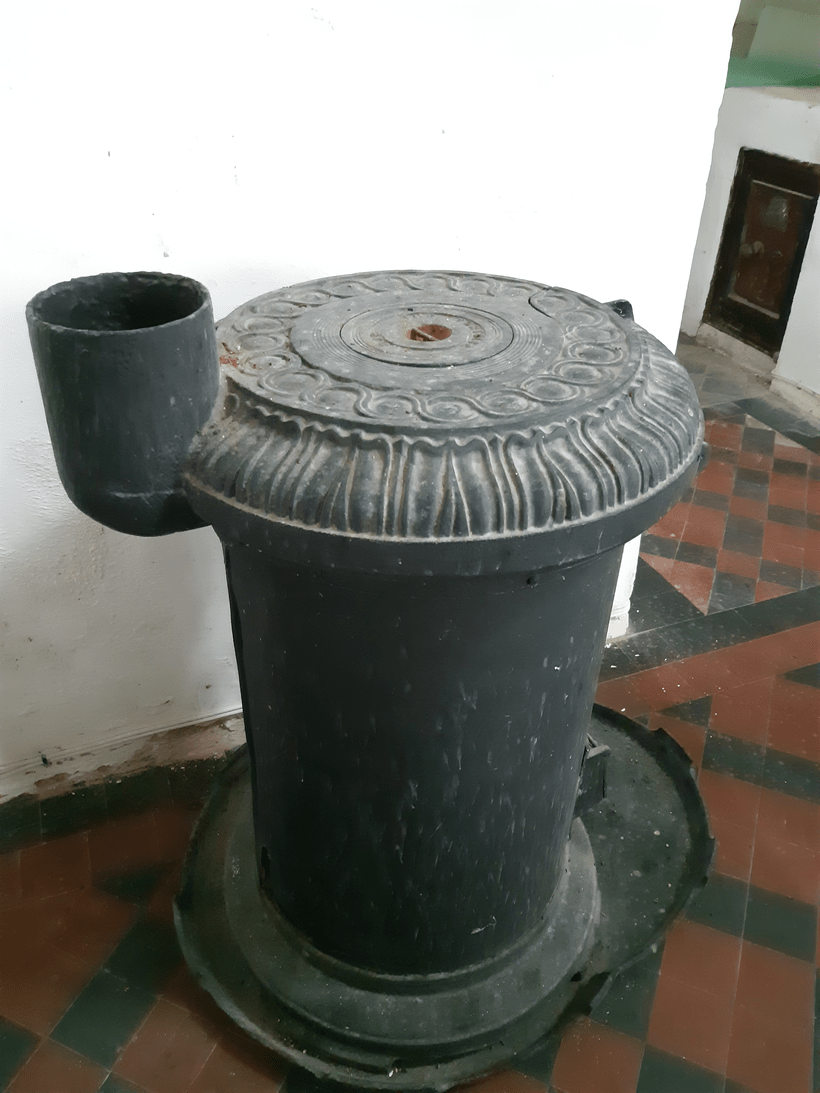
· A Victorian, long-disconnected cast iron tortoise stove stands by the south wall, reminding us of the central heating efforts of days gone by.
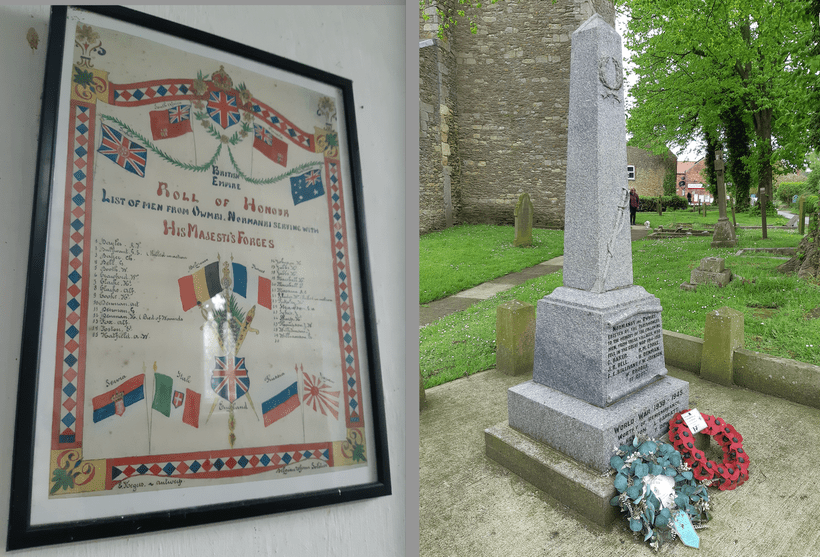
· A hand-painted watercolour and ink Roll of Honour commemorates the lives of 29 local men from Normanby and Owmby who lost their lives in war. In the churchyard outside, a larger granite obelisk repeats these names, separated by the date of conflict.
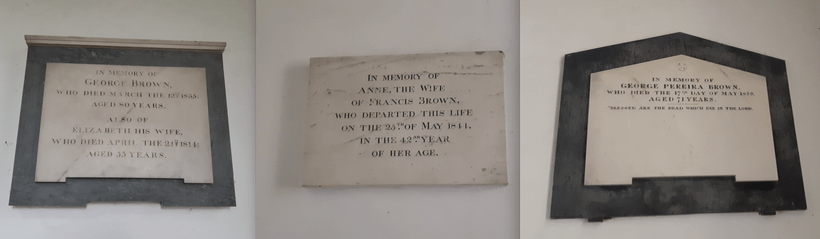
· Several simple wall memorials to the Brown family, dating from the 19th century.
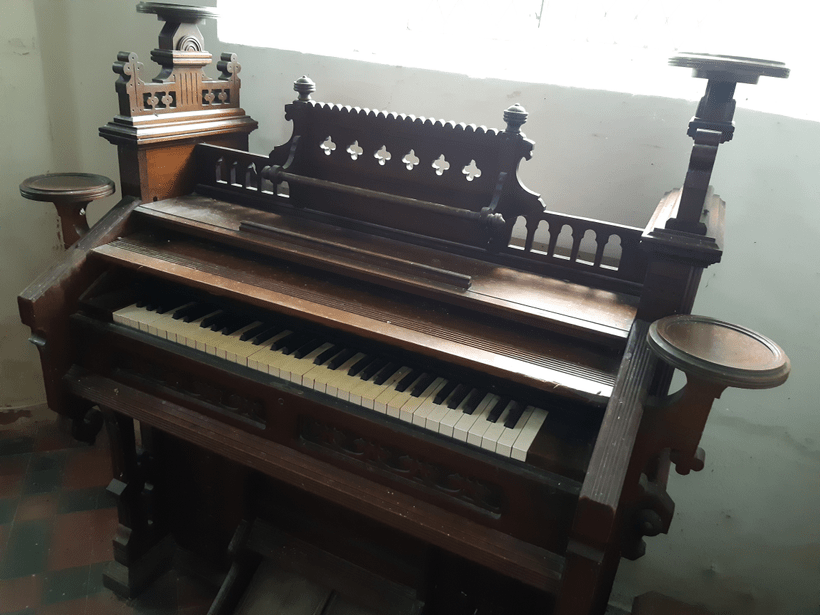
· A Victorian pedal organ, long past its best.
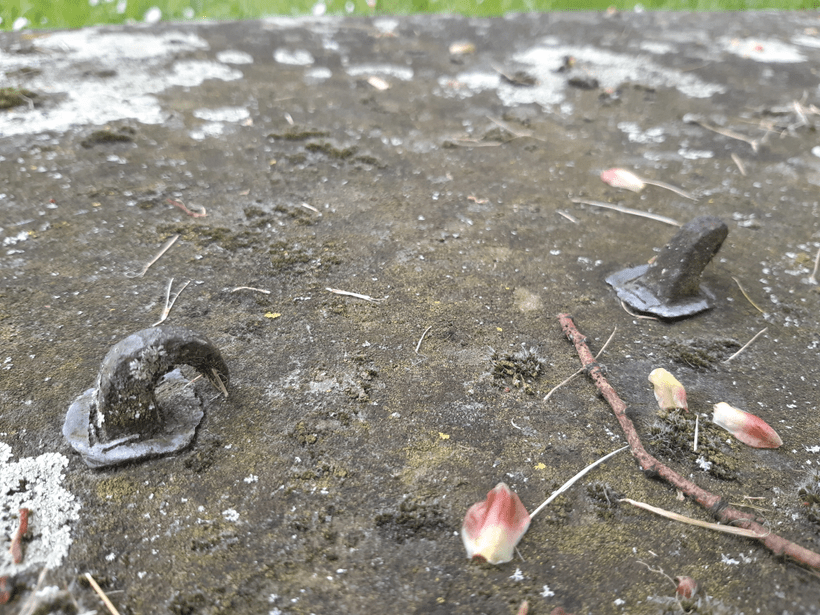
· A Victorian tombstone, once decorated with elaborate ironwork. Presumably taken to aid the war effort (although we know these metals were rarely used for this purpose and were generally scrapped), what remains is a rather sinister series of hooks in the shape of a cross.
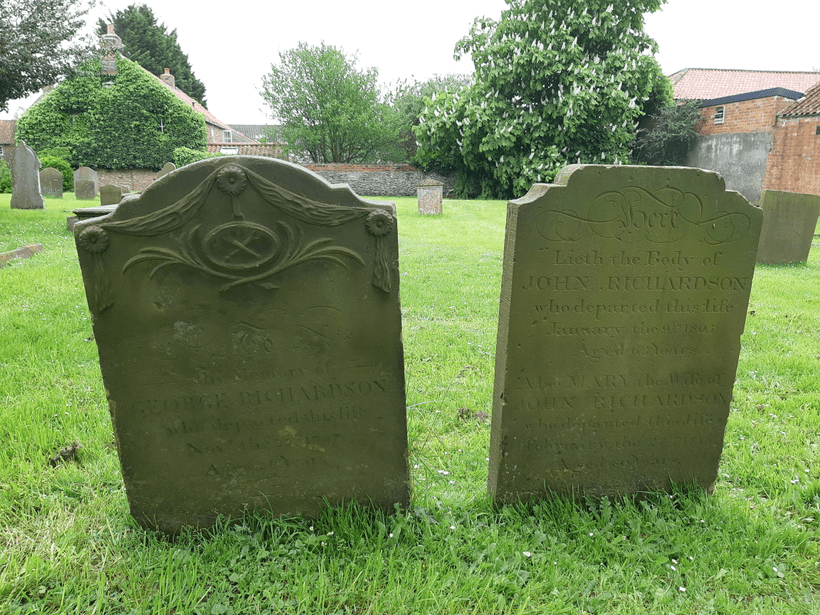
In the churchyard, there’s a scattering of stones with varying decorative designs, including crossed extinguished churches and drapery. While most memorials are upright headstones, towards the north end of the church are a handful of unusual tombstones and larger memorials to the Danby family.
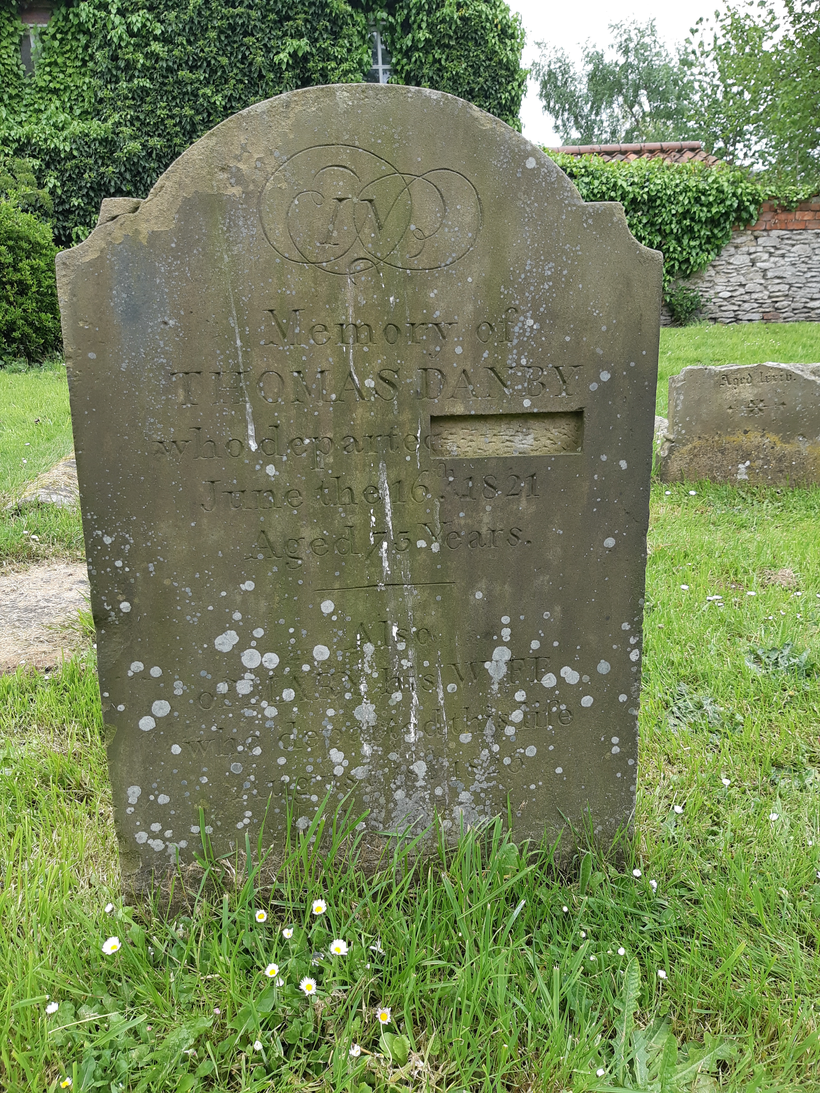
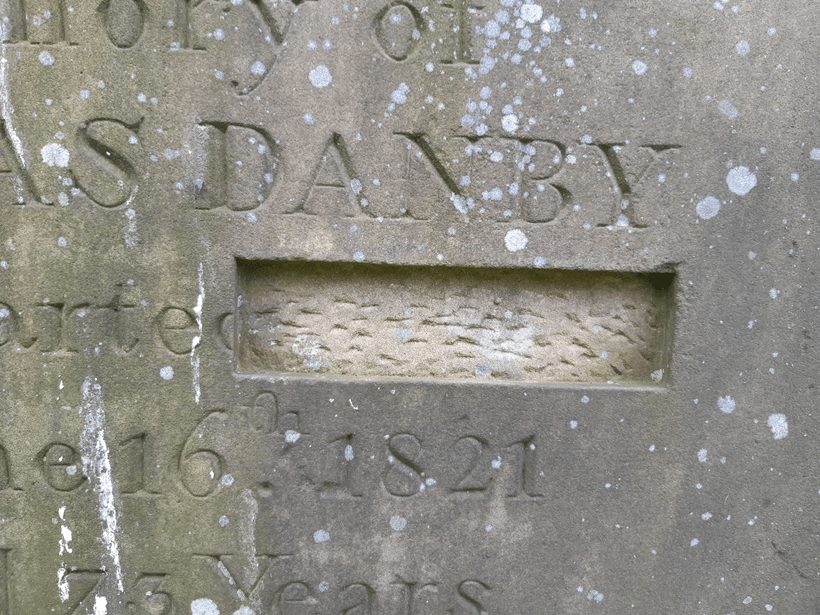
I particularly enjoyed the corrected headstone of Thomas Danby, who died June 16th 1821 aged 73. A rectangular section of his stone was removed, presumably due to a mistake made by the memorial mason, and was never replaced. Or, was not done so firmly enough. What could have merited such a messy removal, including the last d in departed?
Thomas and his wife Mary Danby (nee Shimmells) appear to have been part of a very prominent local family, but I have failed in my attempts to find out further information about them and their lives.
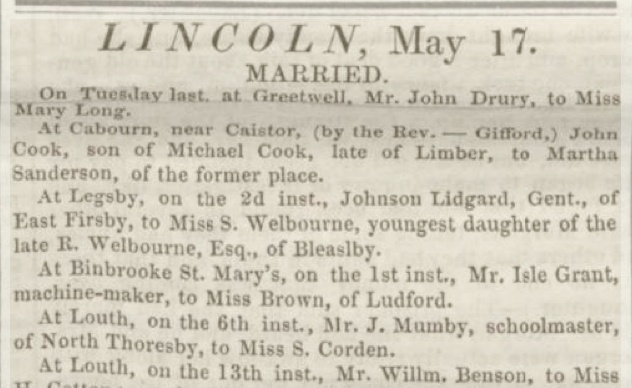
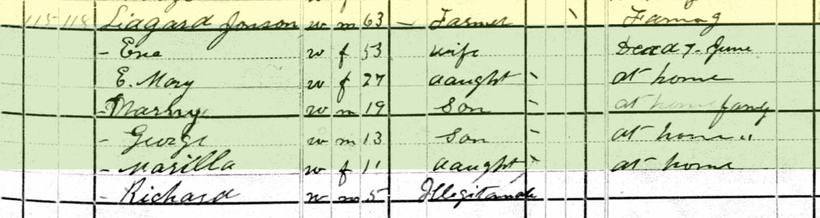
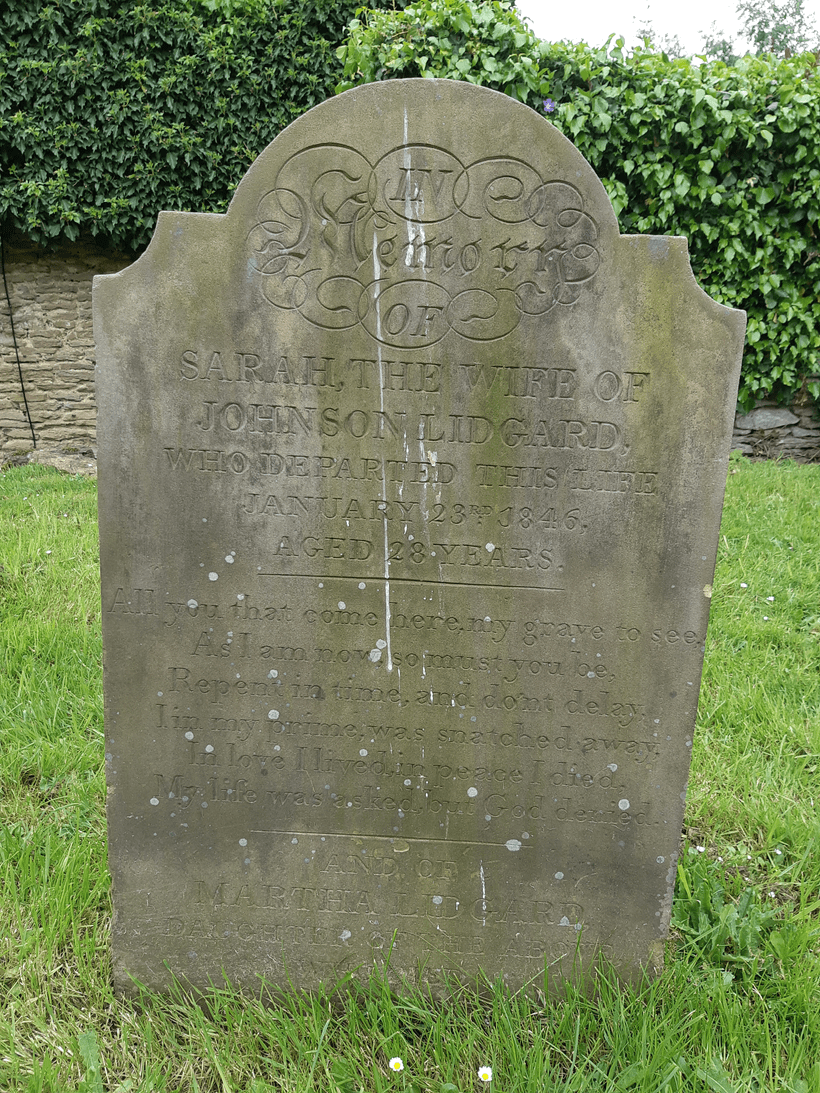
However, the grave of Sarah, wife of the brilliantly named Johnson Lidgard, offered a little more insight. At least about her husband. Johnson Lidgard and Sarah Welbourne married at St Thomas’ Church, Legsby, Lincolnshire in 1844 when they were both 27. Johnson, a Lincolnshire native, was a labourer, while his father before him was a carpenter. No profession is recorded for Sarah, but her father Richard Welbourne was a Farmer.
Sarah died in 1846 and was buried at Normanby, but Johnson was never to join her. By 1860 he had made the long journey to the new world and was living in Indian Creek, Pulaski, Indiana. Lidgard was a farmer with a new wife, Eva and four children, all of whom were born in England. It seems that Johnson went to join his brothers Solomon and William, the former of which had set sail from Hull in 1832/3 and settled in Indiana, working as a farmer, despite being a tailor beforehand. Johnson died in 1880 and is buried in Indian Creek, Indiana, having been recorded as ‘sick’ in the census of the same year.
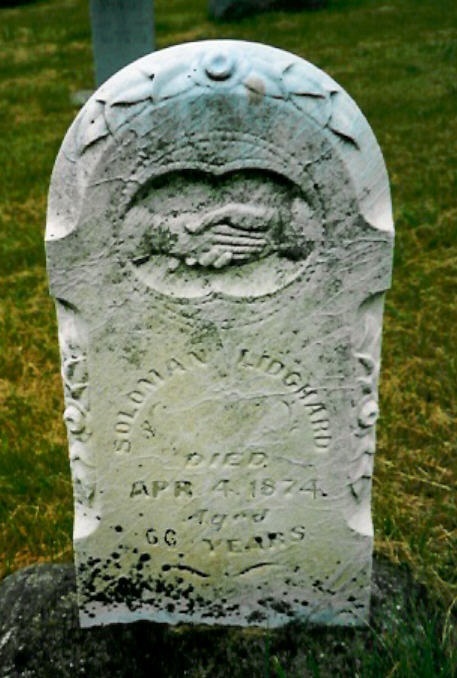
His brother Solomon had 13 children, one of whom he named Johnson (1840-1907) who went on to fight in the American Civil War. Solomon and many of his children are buried in Star City, Pulaski County, Indiana, albeit with a misspelled surname.[3] The location of Johnson’s grave is unclear.
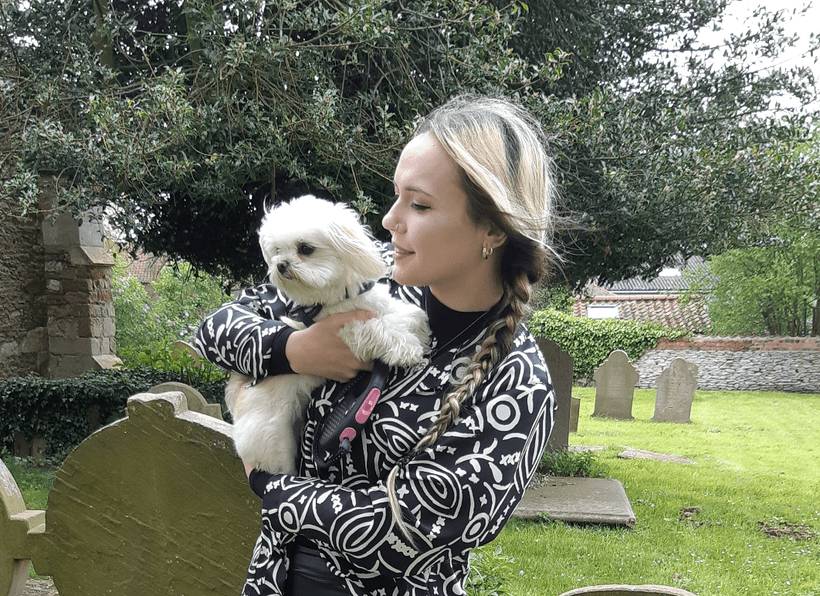
A cold, quiet church in a Lincolnshire village further compounds my belief that every single place of worship, and every burial site offers us fascinating social histories, just waiting to be discovered.
***

Liked this post? Then why not join the Patreon clubhouse? From as little as £1 a month, you’ll get access to tonnes of exclusive content and a huge archive of articles, videos and podcasts!
Pop on over, support my work, have a chat and let me show you my skulls…www.patreon.com/burialsandbeyond

Liked this and want to buy me a coffee?
To tip me £3 and help me out with hosting, click the link below!
https://ko-fi.com/burialsandbeyond
***
Sources/References:
https://historicengland.org.uk/listing/the-list/list-entry/1064189?section=official-list-entry
https://www.visitchurches.org.uk/visit/church-listing/st-peter-normanby-by-spital.html
http://lincolnshirechurches.blogspot.com/2010/08/normanby-by-spital.html
https://www.ancestry.co.uk/imageviewer/collections/6742/images/4240639-00085?pId=19513520
[1]https://historicengland.org.uk/listing/the-list/list-entry/1064189?section=official-list-entry
[2]http://lincolnshirechurches.blogspot.com/2010/08/normanby-by-spital.html
[3]https://www.findagrave.com/memorial/43240547/soloman-t-lidgard


Leave a Reply