

Kington Langley is a relatively new village, formed in 1865 when part of the parish of Kington St Michael was reduced. In the 12th century, this area, and the nearby village of Langley Burrell, was known as ‘Langley Fitzurse’ after the Abbey of Reginald Firzurse. Rather cheerily, Reginald was one of the four knights who murdered Thomas A Beckett, the Archbishop of Canterbury. The villages in this area have a murky history of re-naming and melding villages together with each new census and map. Thankfully, things are a little more standardised today.
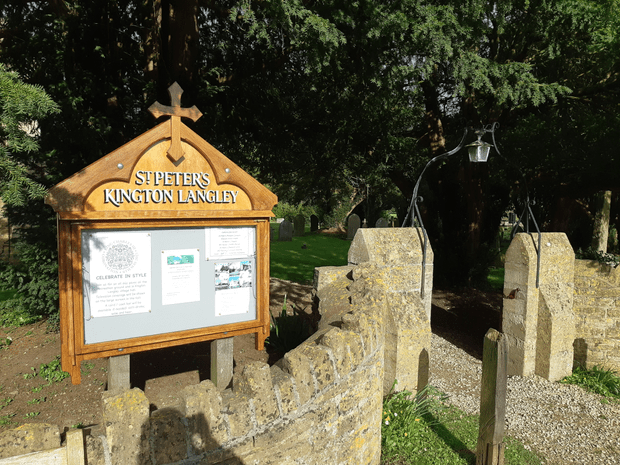
Curiously, Kington Langley didn’t have a place of worship for much of its existence, with villagers having to endure the 1 ½ mile walk to Kington St Michael should they want to receive communion. It was recorded in 1517 that a chapel-of-ease was available for villagers who didn’t want to, or couldn’t, travel, but by 1670, this chapel had been converted into cottages. These cottages still stand today – known as St Peter’s Cottages, they sit above a small crypt, although one would presume, and hope, that it is long empty.
Due to this lack of chapel, and the necessity of a long walk should one want to worship, Kington Langley developed a large and strong population of dissenters, who were open to options of alternative Christian worship. From the late 17th century to mid-19th century, the small village played home to a Union Chapel of non-conformists, a meeting house of Moravians (a central European protestant movement), a Wesleyan Methodist meeting house and a Primitive Methodist Chapel.
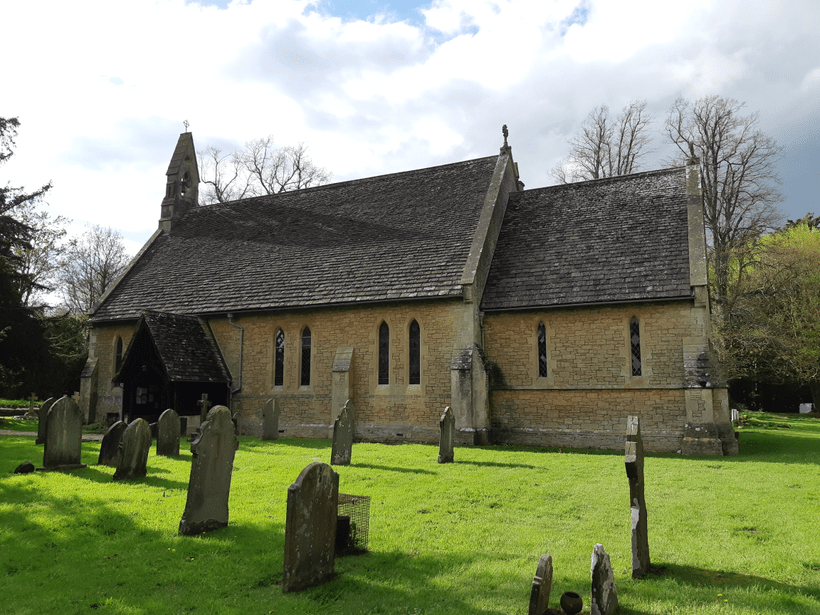
It was only in 1854 that the villagers decided that a central place of worship had to be built. No-one wanted to walk miles to church anymore. The Wiltshire Telegraph wrote of this decision that ‘The consequence (of this long walk) has been that the habit of attending either had grown rather out of fashion amongst the population…’. This scattergun approach to worship, and growing ambivalence to religion, caught the attention and sympathy of Mr E L Clutterbuck of Hardenhuish Park, who established a subscription service, beginning donations with a healthy £100 contribution of his own. Soon enough, the pot was overflowing with donations and the village had a new, simple church within a matter of months.
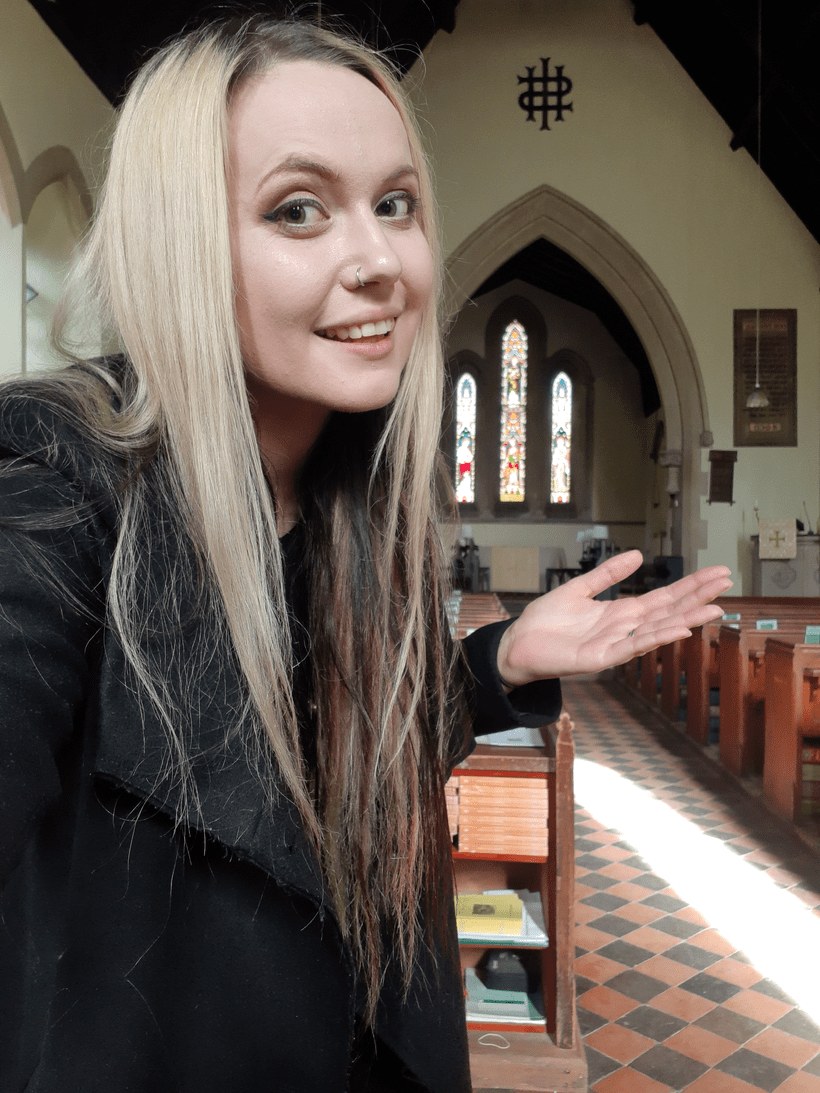
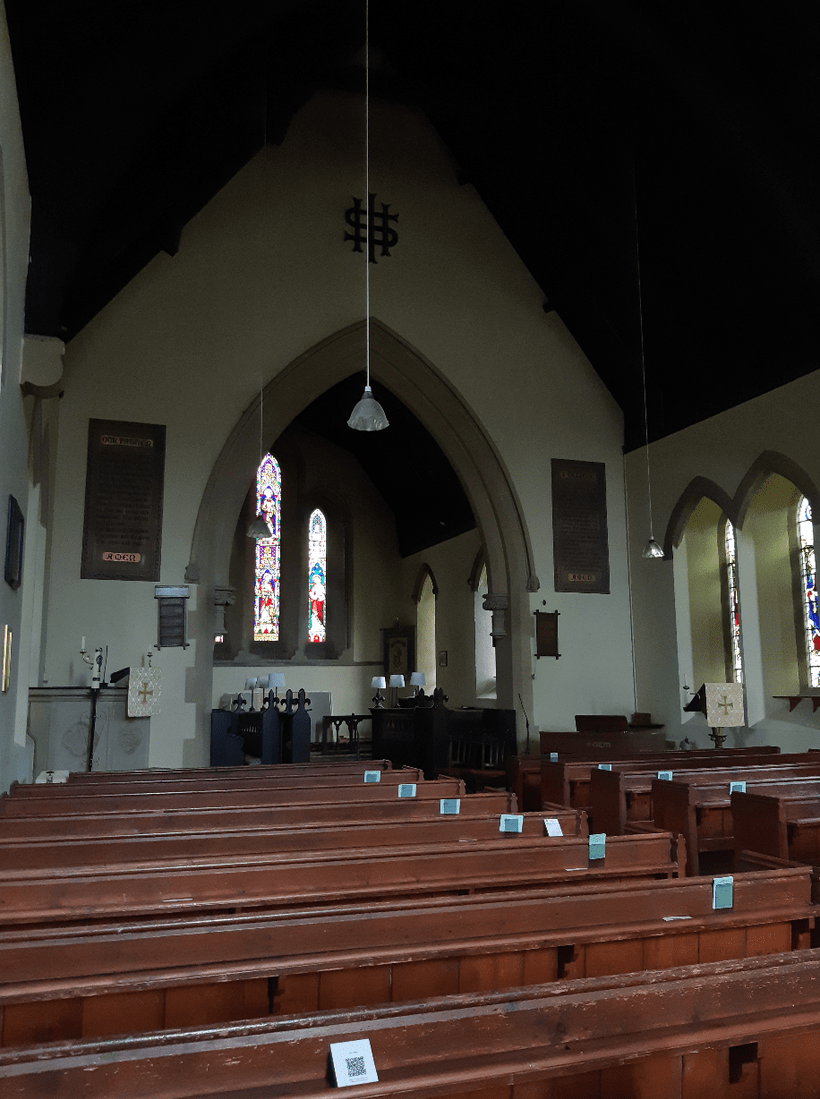
What stands today is remarkably similar to this original Victorian incarnation. Built from local stone, probably transported from the Kingston St Michael quarries, it featured Bath stone details, and a stone tiled roof. Fitted with oak stalls and seats, the altar table, reading desk and most other furniture was produced to match.
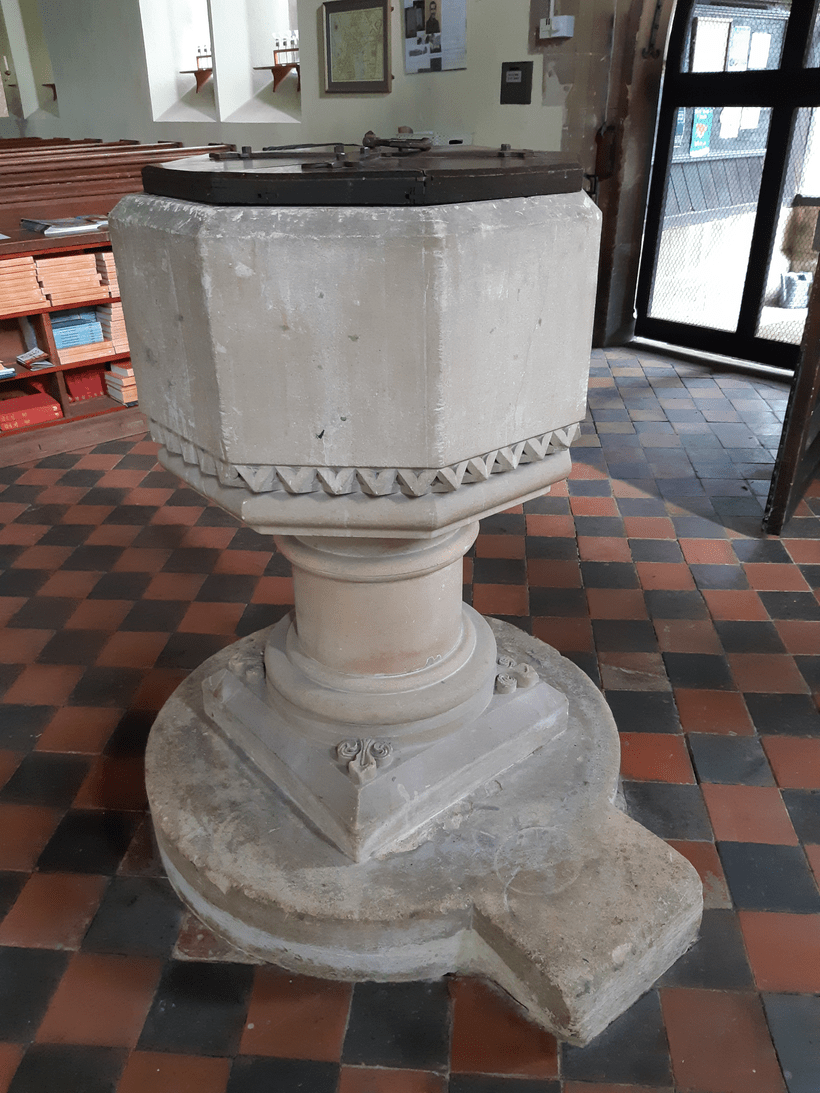
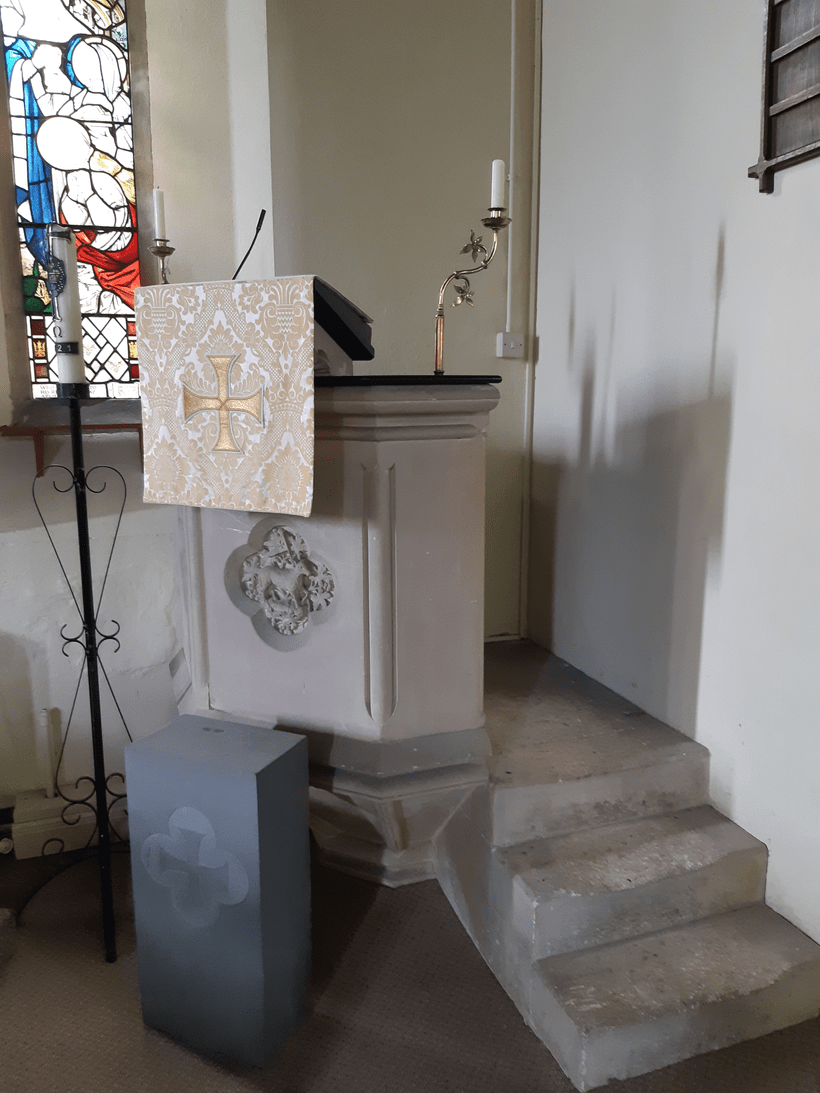
The pulpit is carved from stone and adorned with designs from scripture while the simple octagonal font is made from Bath stone, decorated with a basic dog-tooth design.
The church was consecrated by the Lord Bishop of Gloucester and Bristol and a gathering of 30 priests on 19th April 1955. We can only imagine the wild parties that followed; wine, water and all the fish you can cram into your cassock.

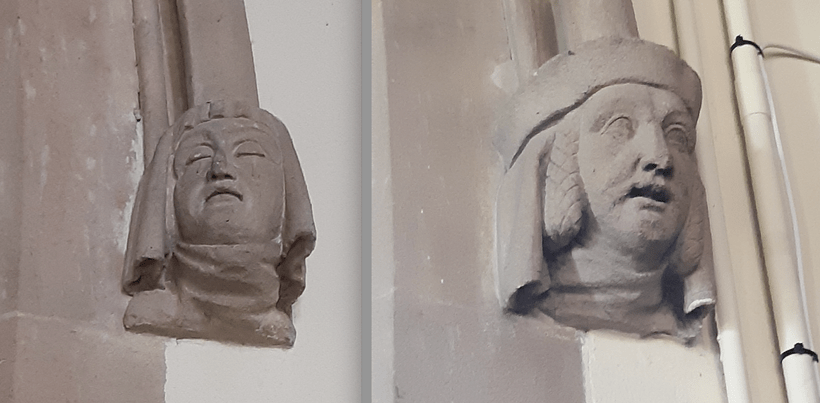
St Peters boasts a smashing collection of six carved heads, split between the entrance way and the chancel arch. Unlike many churches I visit, St Peters has a clear idea of who these little faces depict. By the door are St Peter and the Virgin Mary, and beside the chancel arch are Christ crowned with thorns, and the weeping Virgin Mary (otherwise known as Mater Dolorosa, Our Lady of Sorrows). In a rather less biblical, and more left-field choice, depicted on the other side of the arch are St Thomas A Becket and Reginald Fitzurse, one of his murderers. I suppose it’d keep you on your toes during communion.
The altar is a very beautiful and decidedly un-murdery and simple affair. A solid wood construction with three panels, it features a gilded Alpha and Omega symbol, either side of a large Agnus Dei symbol – a lamb of God, holding a staff with a flag; a banner of victory.
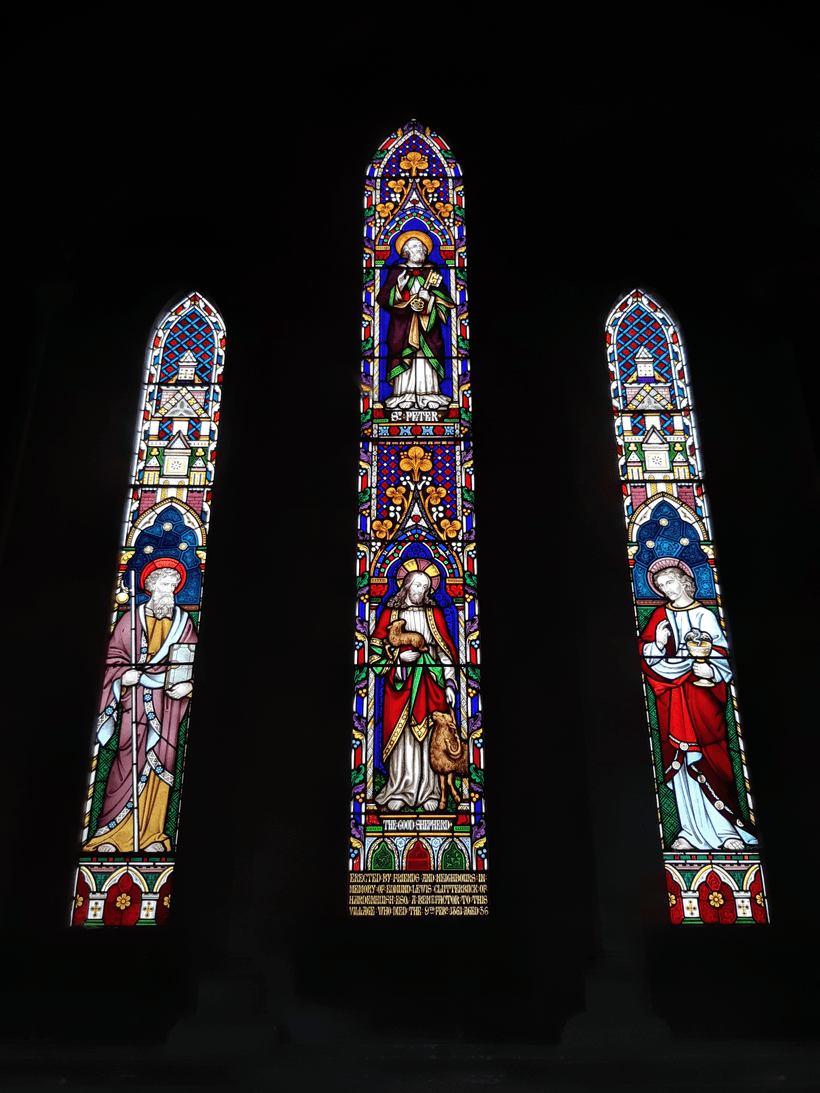
The church was originally built with the most simple windows, with no stained glass in sight. However the church today boasts something rather more colourful. Around 1861, stained glass panels depicting St Peter holding a key and ‘The Good Shepherd’. Funded by friends and admirers of the fabulously-named Edmund Lewis Clutterbuck of Hardenhuish Esq who died aged 36, it commemorated the short life of the church’s initial benefactor.
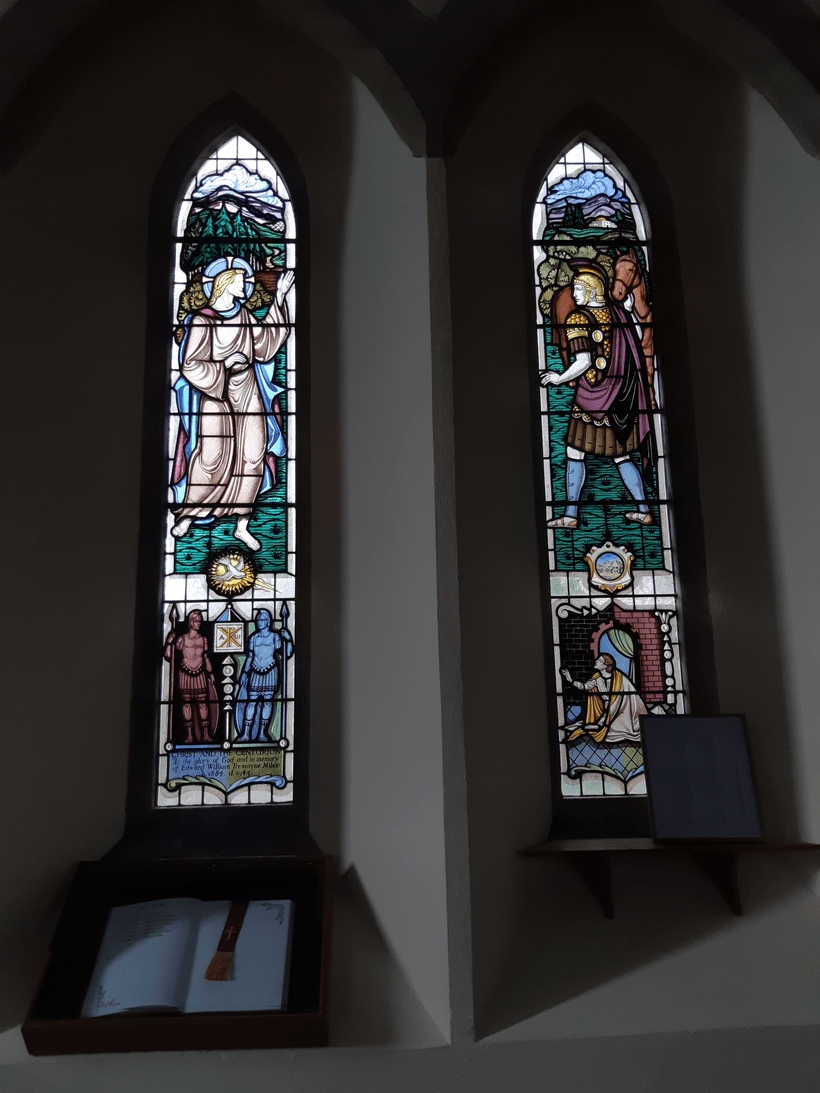

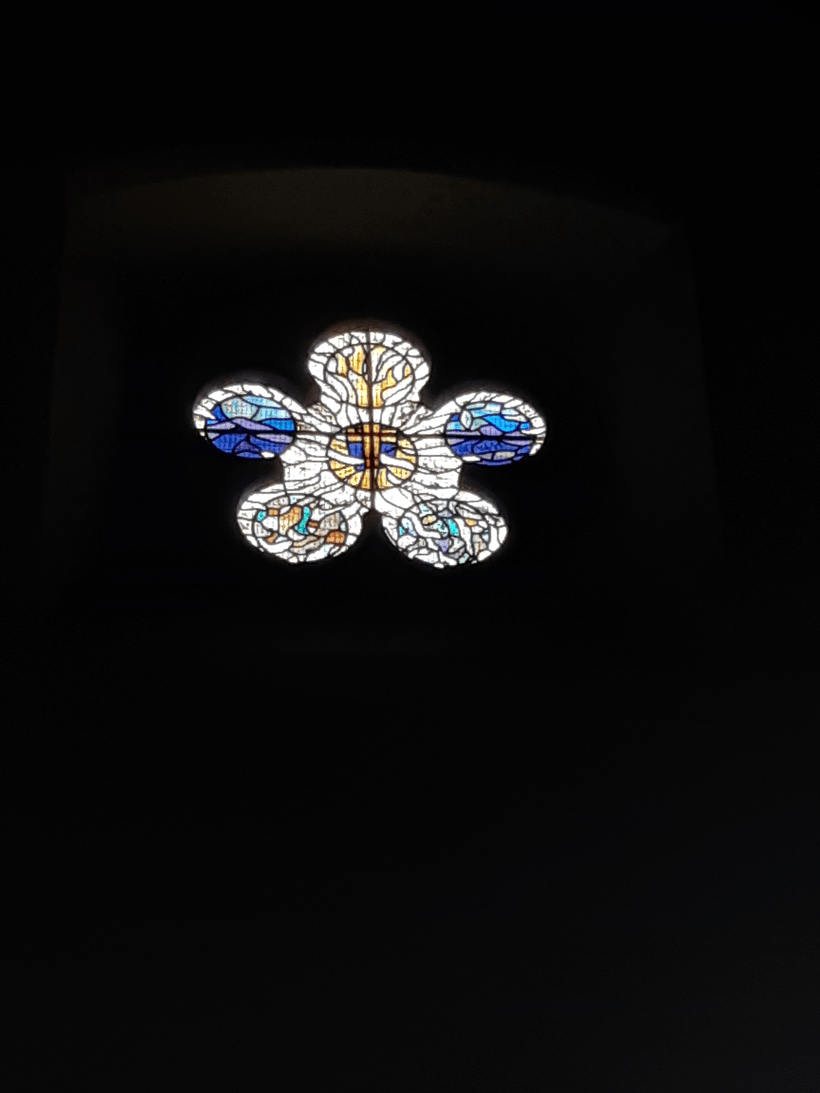
A few years later in 1872, more windows were replaced with figural designs, including depictions of St James the Apostle, St John the Evangelist and a memorial window, given by Reverend Charles Clarke to his sister, Ellen Cowley Clarke, who is buried in the churchyard. Other windows were installed in from 1906 including a depiction of Martha and Mary in memory of Hannah Tanner and a large depiction of Christ’s empty tomb on Easter morning with the phrase ‘Why seek ye the Lord among the dead?”. The final large addition was in 2000, when a cinquefoil window was installed to mark the new millennium.

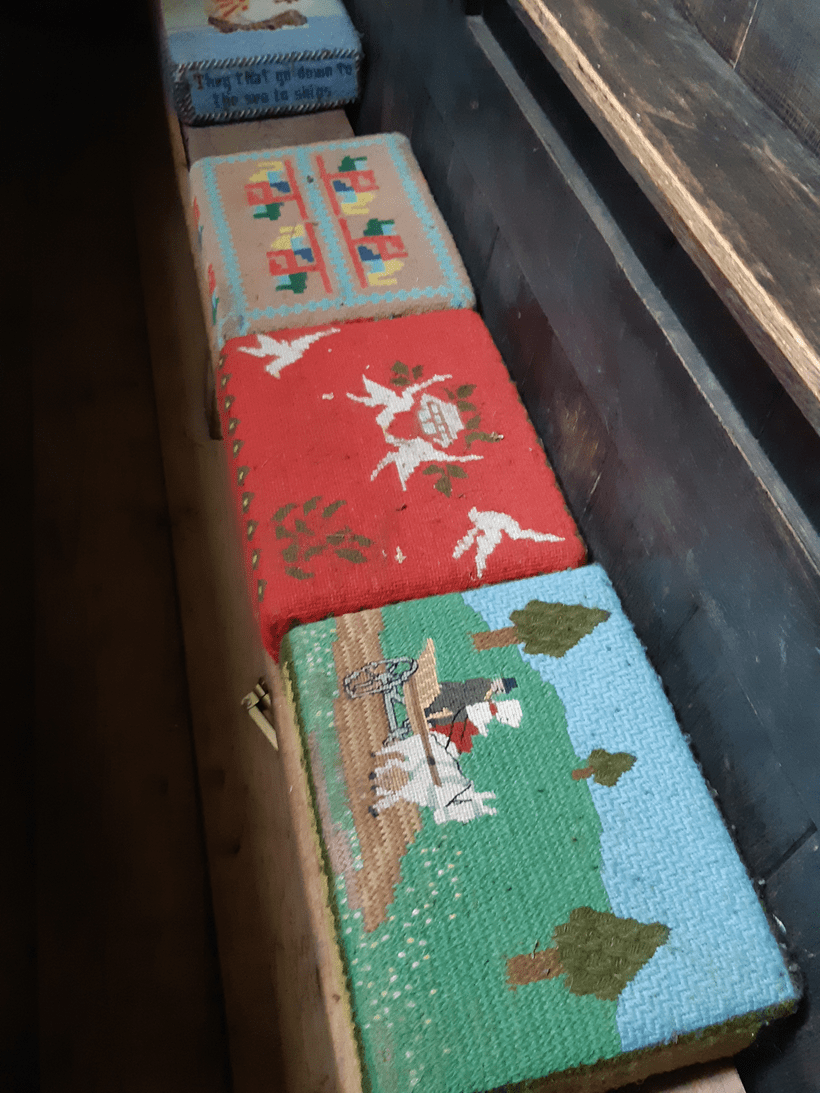
For such a young church, the happenings of St Peters have been in their multitudes and well-reported by vergers and parishioners throughout the years. From the theft of the old church coffin bier in 2000 to the embroidery of countless kneelers in the 80s, since its consecration, the church has remained a vibrant and ‘living’ place.
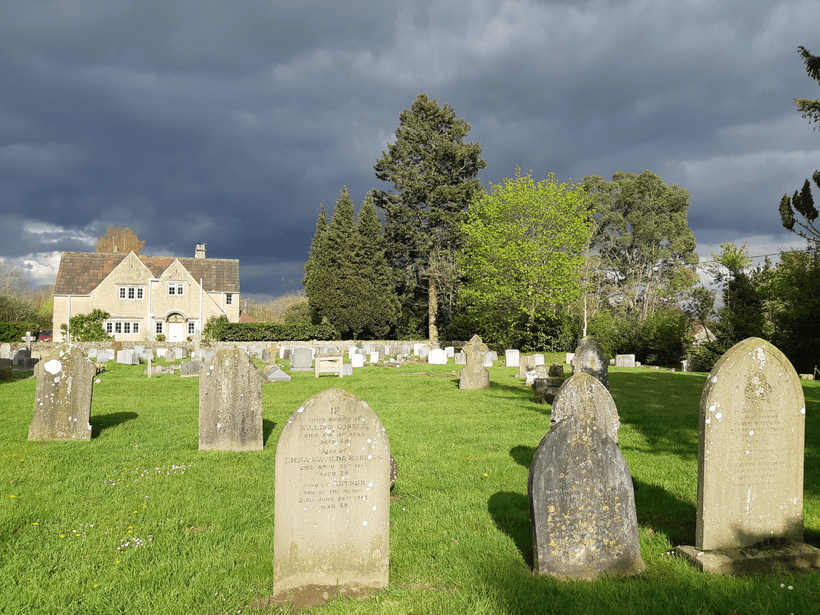
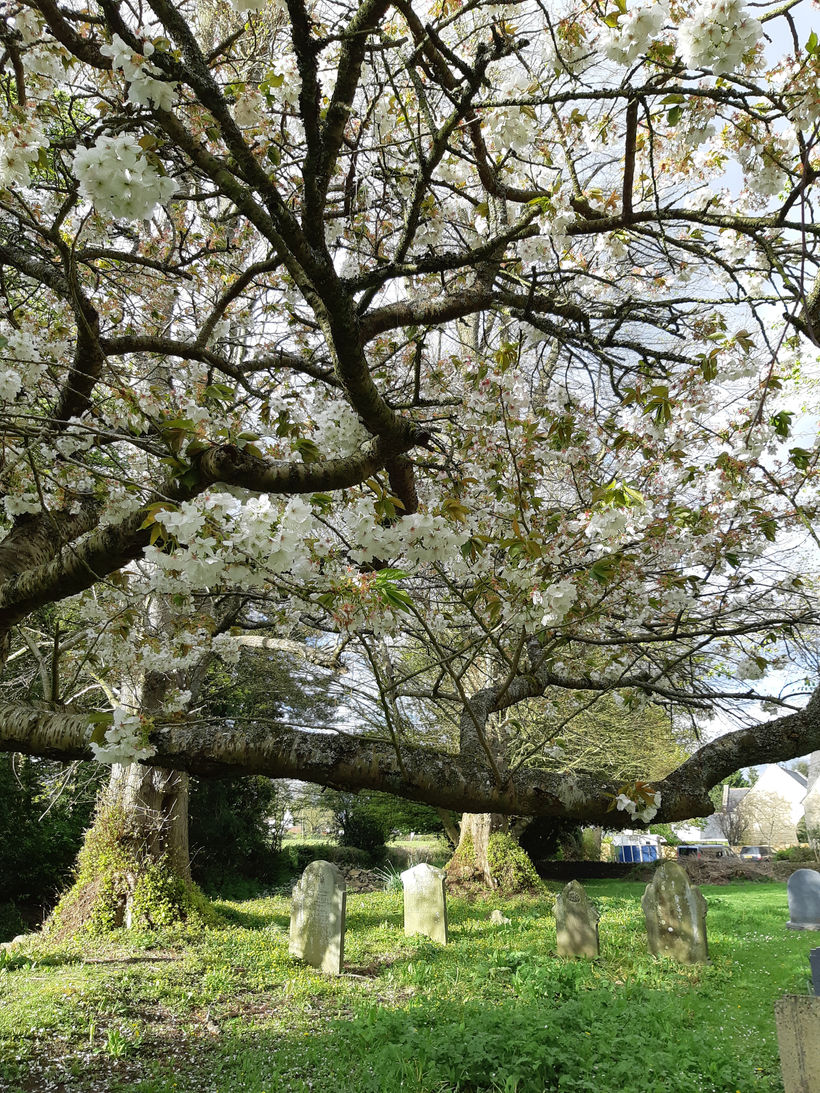
Outside, we meet the dead in the well-tended churchyard. St Peters holds around 1100 interments, but sadly, most records have been lost, or simply never existed. It has been noted by church historians that the locations of around 370 of these burials are unknown and that some infant burials were placed in unmarked graves beneath various trees.
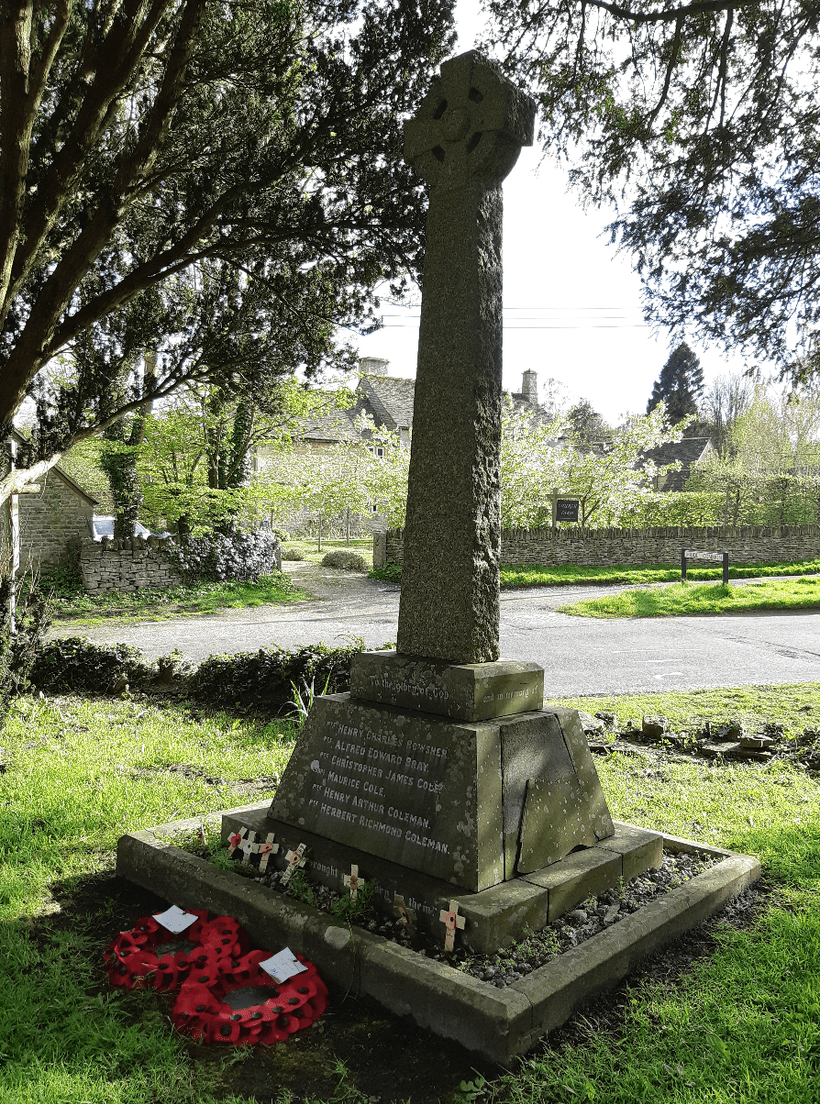
The church’s war memorial is a suitably grand addition and was funded purely by public subscription, costing £90 in 1920.

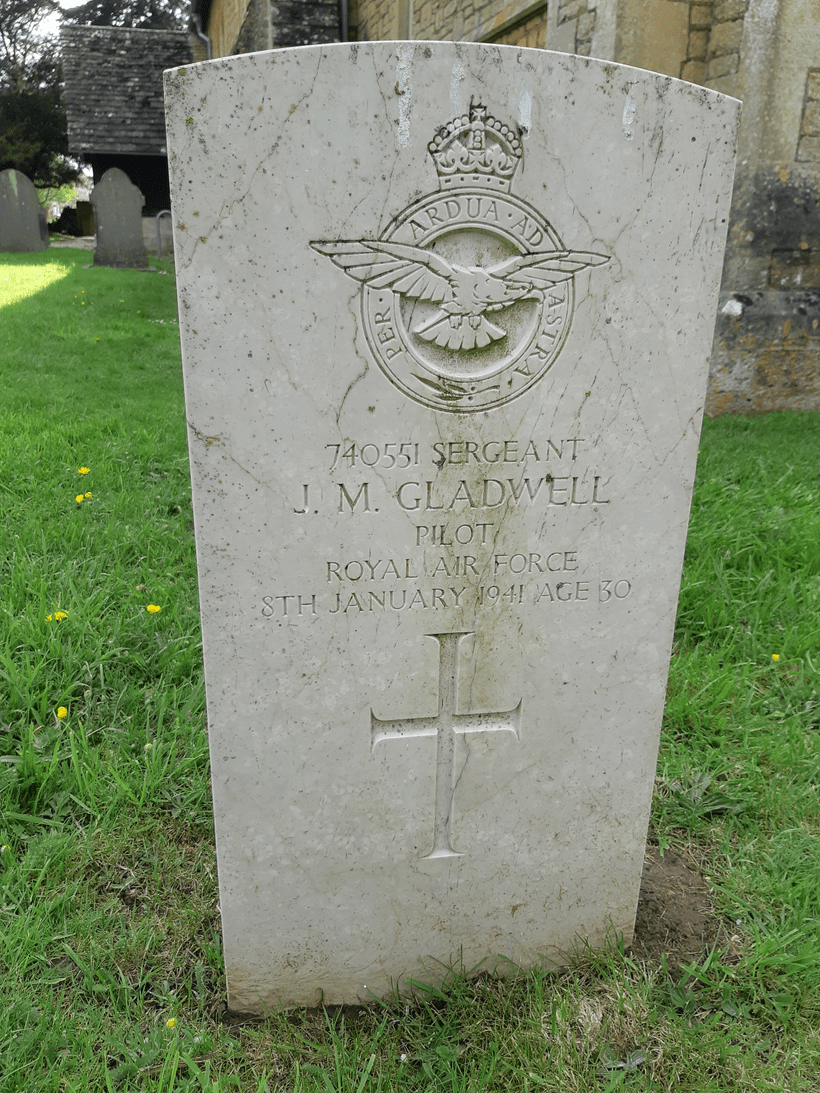
The churchyard holds a handful of CWGC graves, including that of Air Commodore David F L Edwards CBE, who died in 1989, aged 48 and J. M Gladwell, a pilot who died aged 30 in 1941.
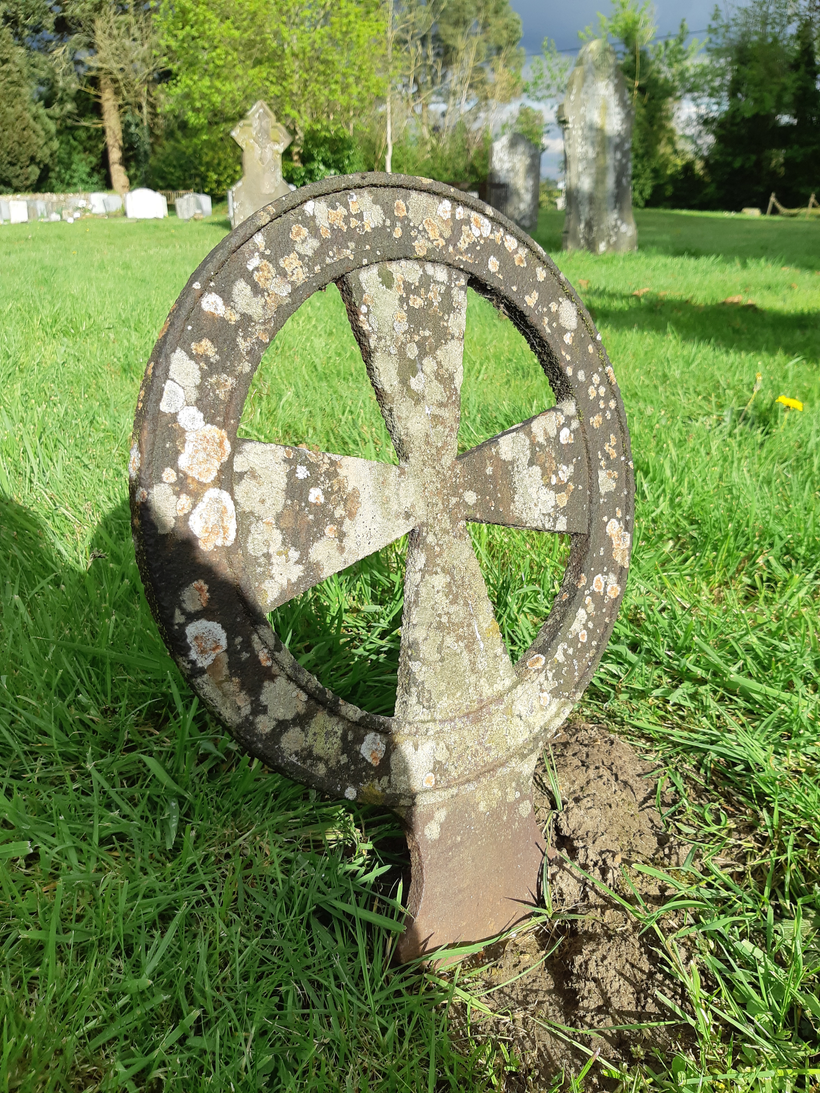
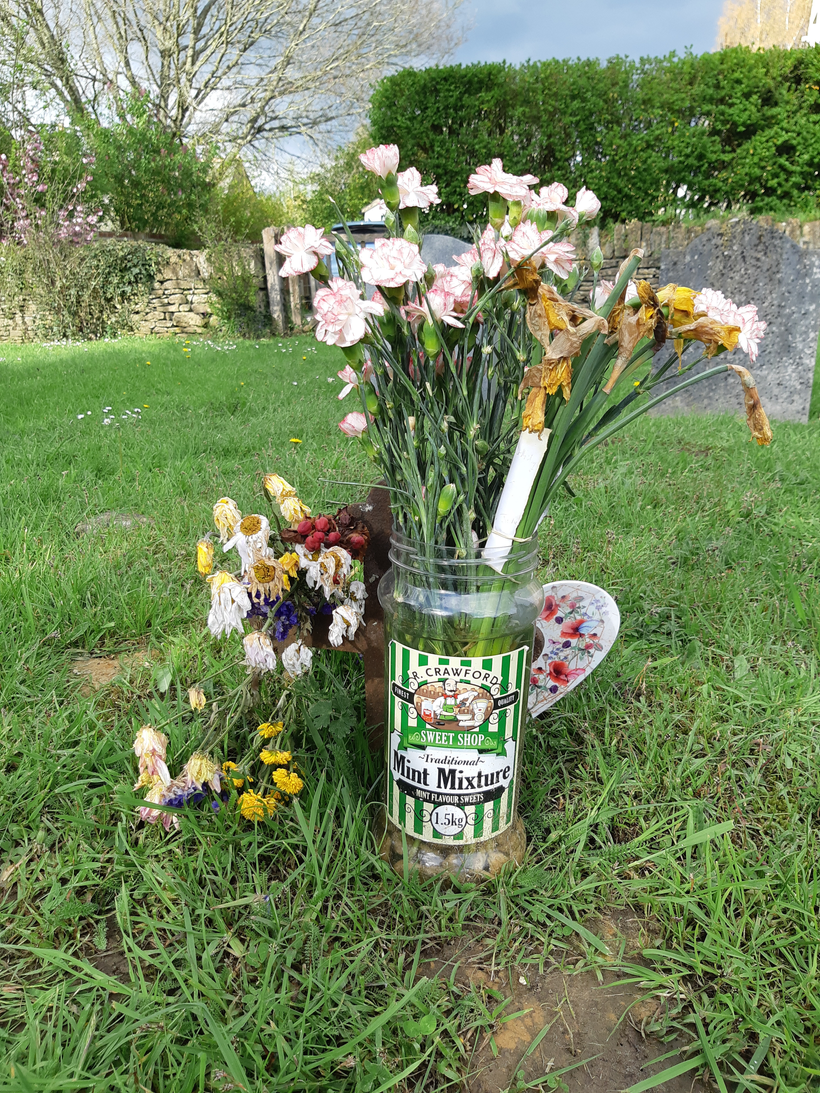

One of the most unusual graves is a strange wooden board, more like a piece of signage than a memorial. It is carved with the words ‘Emily Annie Tanner, 1874 – 1938.’
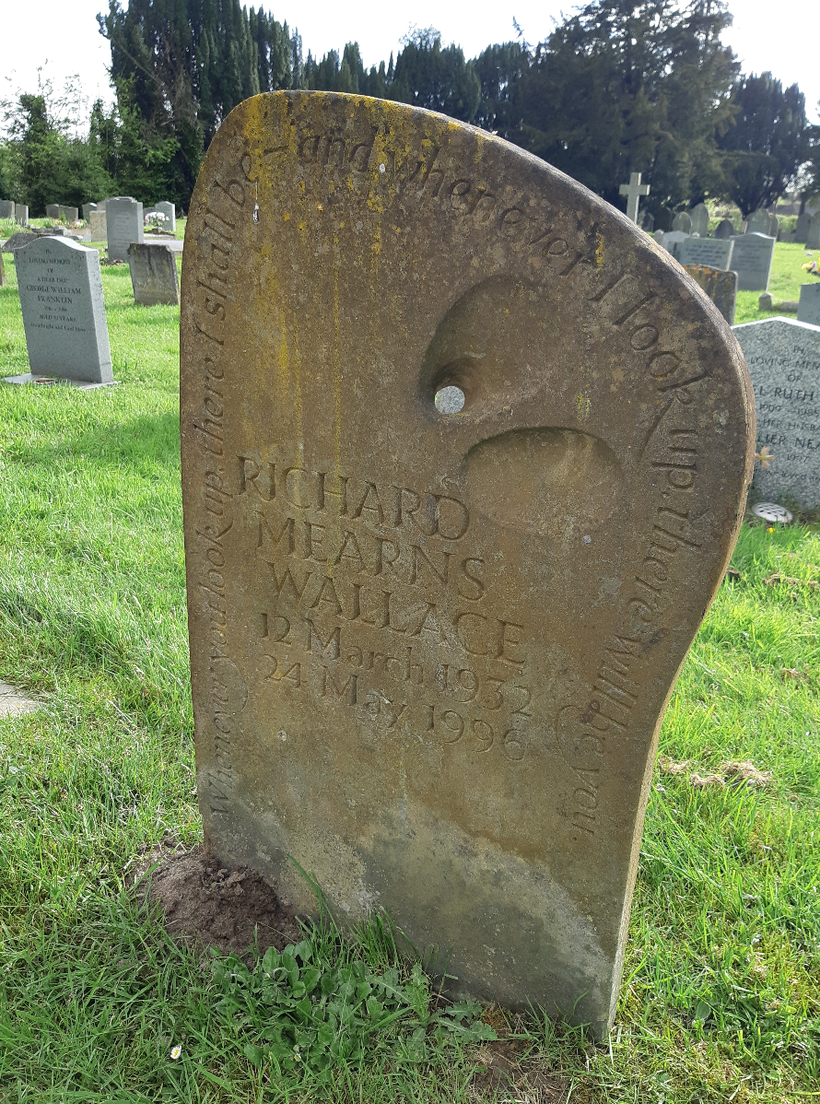
The grave of Richard Mearns Wallace, 1932-1986is a rather modern affair with naturalistic curves and pleasant verse.

There was also an armed rubber duck in a tree. No idea, mate.
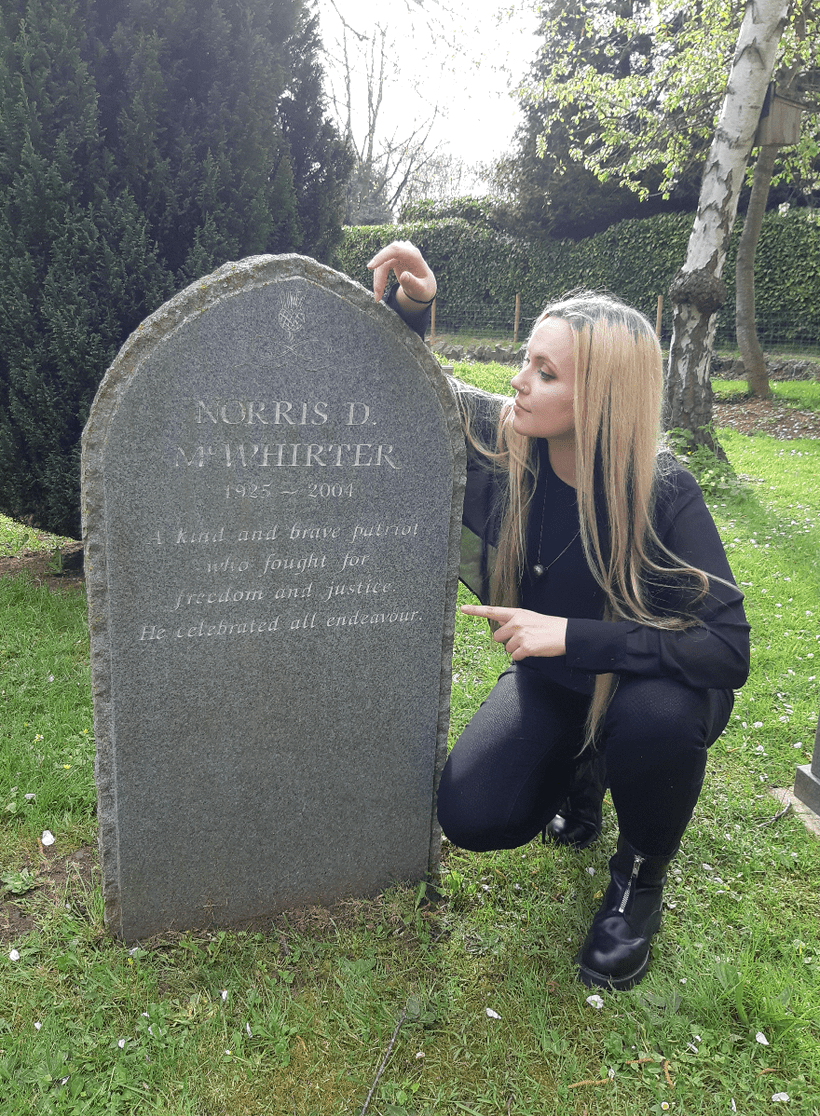
Finally, Norris D. McWhirter, 1925-2004. ‘A kind and brave patriot who fought for freedom and justice. He celebrated all endeavour.’ Norris McWhirter was beloved by kids in the 1970s and was a familiar face across British TV screens for decades, thanks to his TV show, Record Breakers, and his annual publication – the Guinness Book of Records. Personally, I have such an emotional attachment to the Guinness Book of Records from 1995, I’ve kept its lenticular-covered monstrosity well into adulthood.
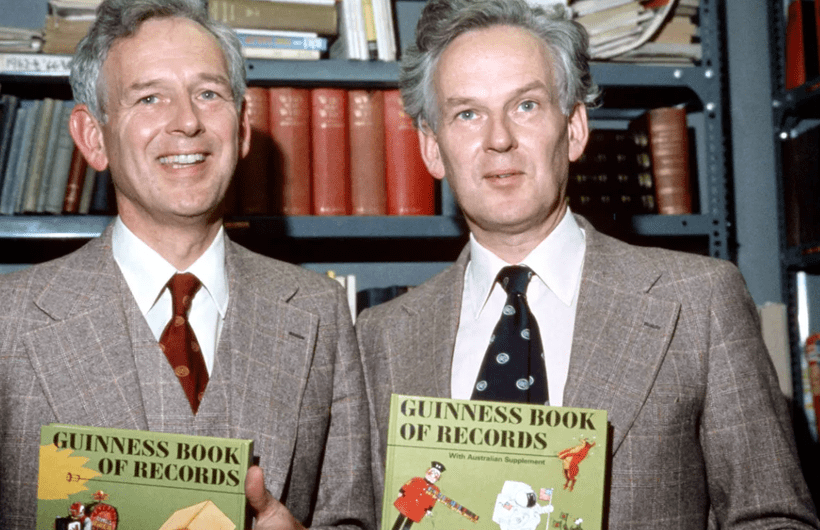
The Guinness Book of Records was the creation of Norris and his brother Ross, and sold over 75 million copies in 37 languages until they wound-down their involvement in 1996.
While I was chased from the churchyard by some very ominous dark clouds, I enjoyed by little jaunt to such a relatively modern church, and enjoyed a smidge of post-mortem celeb spotting. And while I sang ‘If you’re the tallest, the smallest, if you beat them all…’ [1] into the sunset, Norris McWhirter slept soundly.

[1] For the young or cool, that’s the record breakers theme….
***

Liked this post? Then why not join the Patreon clubhouse? From as little as £1 a month, you’ll get access to tonnes of exclusive content and a huge archive of articles, videos and podcasts!
Pop on over, support my work, have a chat and let me show you my skulls…www.patreon.com/burialsandbeyond

Liked this and want to buy me a coffee?
To tip me £3 and help me out with hosting, click the link below!
https://ko-fi.com/burialsandbeyond
***
 Burials & Beyond
Leave a comment