

The real problem with tales of local witches and evil graves is that you can never truly enjoy them. What at first sounds like a fun little tale, typically unfolds into a horrid historical reality of victimised woman and systemic cruelty, usually aided by rural superstition and a bit of religious hysteria for good measure. The story of Margaret, or ‘Molly‘, Leigh is sadly no different.
Born in 1685 in the village of Jackfield near Burnley in Staffordshire, Margaret was a poor woman, who was described as hideously ugly by locals, but was more likely disfigured by the ravages of smallpox. She made a meagre wage by selling milk from her small herd of cows to passing travellers and workers, and occasionally made the trek into town to sell her milk to suspicious locals. Invariably shunned by many due to her appearance, Margaret developed into a particularly eccentric woman with a harsh and quick temper. However, she found companionship in the form of a tame blackbird, jackdaw or raven (depending on the source), who was said to sit on her shoulder as she took her milk to market. So far, temper aside, Margaret sounds more like a Disney princess than anything truly sinister.
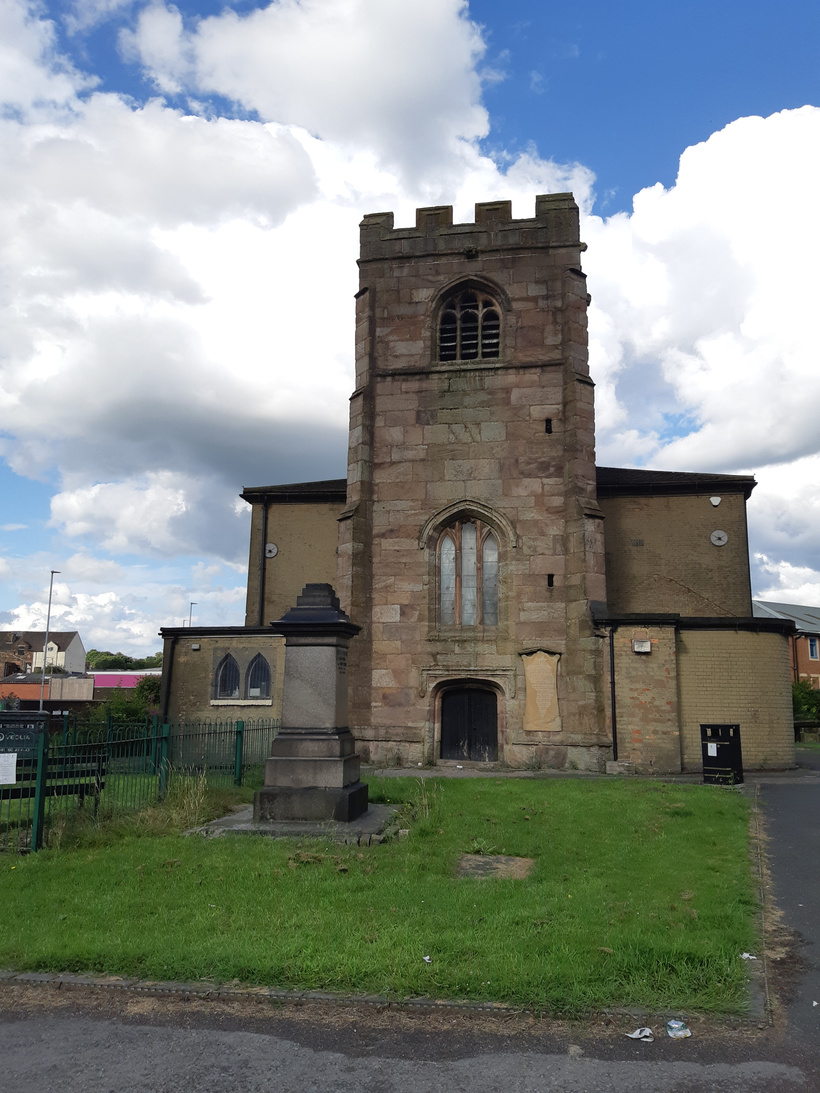
However, the old record plays out as it always did. Being an ‚unusual‘-looking woman, and living on the fringes of society, her time of living peacefully was limited. There was no single action or argument that led to Margaret‘s downfall, just the grudges of a fire-and-brimstone fear-mongering cleric who deemed her to be the cause of all the townsfolk‘s ills. I‘ve had my time as a pseudo God-fearing woman, so I’m not terribly used to insulting men of the cloth. However… The Rev. Thomas Spencer, rector of St John‘s Church was an absolute, dyed-in-the-wool gobshite, and I’ll hear nothing to the contrary. The Rev. Spencer claimed that Margaret sent her blackbird to perch on the sign of the local pub, ‚The Turk‘s Head‘, turn the beer sour and give all the patrons rheumatism. She had previously been accused of watering down her milk, and was a largely disliked presence in the town centre. Lore had sprung up around Margaret, long before she became a cantankerous older woman, as she was said to have been able to eat a hard bread crust at birth, and preferred to suckle on farm animals, rather than her own mother‘s milk.
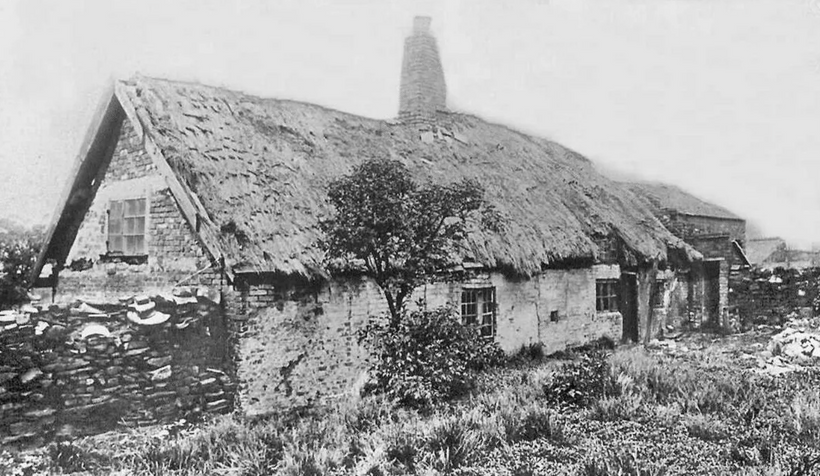
Margaret‘s rural cottage also featured a large Hawthorne bush in the garden – and being a bush than never flowered, suspicions arose quickly, thinking evil dwelled within. But most of all, what sealed her fate, was that Margaret didn‘t attend church – a dangerous choice, and a death sentence for many. The story tells that one day, the parson shot at the bird outside the pub, but missed. As a result, he spent the next few days laid in bed with terrible stomach problems. And no one seemed to question the landlord or the brewery…
When Margaret died in 1746/48, it was the Rev. Spencer who committed her body to the churchyard, and the same villagers who shunned her, attended her burial, concerned that the witch wasn‘t truly dead. Rumours and suspicions soon arose that Margaret was continuing her evil bidding after death, and imaginations began to set alight. After one night in the pub, several local men took the long walk to Margaret‘s old cottage where they swore to have seen the ‚witch‘ sat knitting by the fire, joined by her bird. Appearances of ‚Molly Leigh‘ after death happened at least 3 times – on one occasion, parishioners of St James claimed to have seen her weeping at her grave, claiming that she would never rest until she was re-buried ‚side erts on‘. So strange were these sightings that her grave was opened to check that she was indeed deceased.

So convinced, or convincing, were these men, that one final evil action was taken against Margaret, and her beloved bird. After capturing the animal, which was said to have been making a nuisance of itself in town after Margaret‘s death, they made their way back to the witch‘s fresh grave. To silence Margaret‘s spirit, they disinterred her body and moved it so that it would lay in a north-south direction, the opposite of a traditional east-west Christian burial. Then, in one awful, final action, they threw Margaret‘s still-living bird into her coffin and sealed it shut.
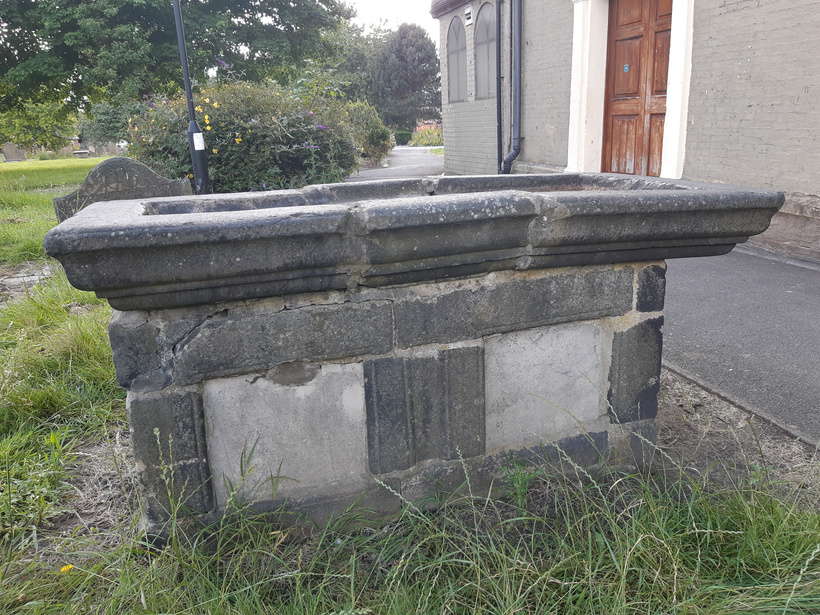
According to the brilliant ludchurch blog, an 1883 ‚Shropshire Folklore’ book by Charlotte Burn and Georgina Jackson offers an alternative witchy tale –
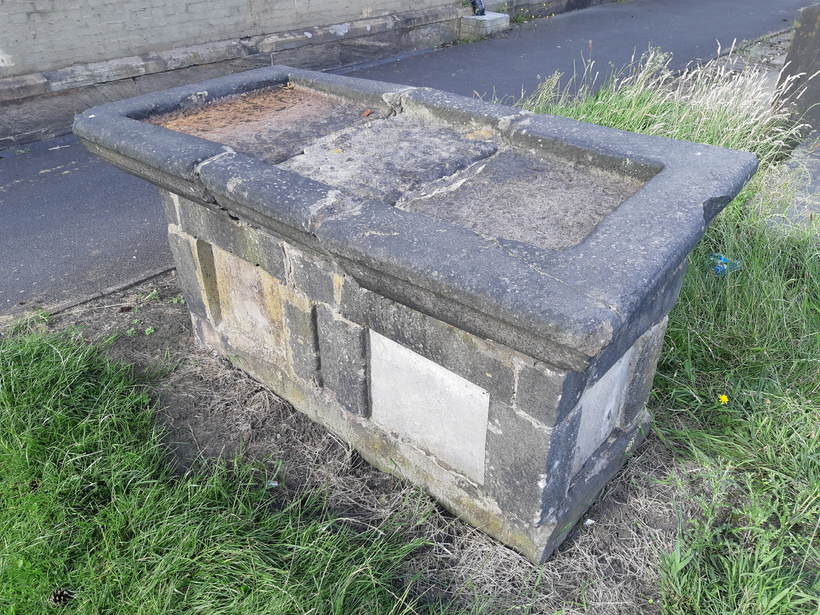
‘At other times she would get into their cottages, and sit knitting in the corner. She came both day and night and annoyed the people so much that they got the neighbouring Clergy to meet in Burslem church to lay her. So six Parsons came, and brought a stone pig trough and placed it in the middle of the church and then prayed and prayed that her spirit would be put to rest. At last they saw her spirit hovering high up in the roof of the church, they carried on praying, then they saw the form of her descending face down, gradually nearing the stone trough. And so they got her into it at last, they then took the pig trough and placed it on her grave in the churchyard, and so she was laid. But three of the parsons died from it, and the other three had a job to get over it.‘
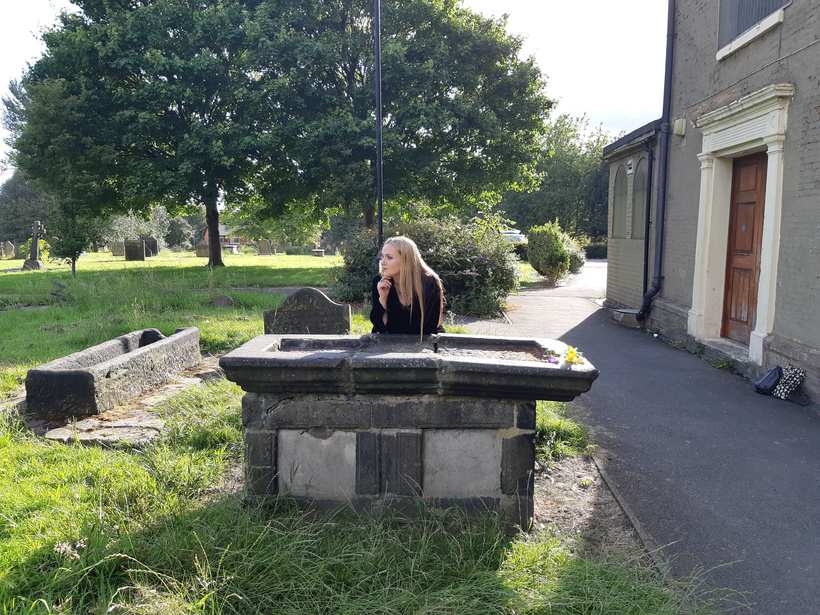
Admittedly, the top of her grave is a little ‘trough-y‘ (I think this once held a stone with an epitaph, owing to the chisel marks. One since removed.)
A suspected witch buried within a churchyard isn‘t common in the UK, but there are a few others that share her fate (the Woodplumpton witch, for one), making her story perfectly plausible (the burial aspect, not the evil witchcraft). Curiously still, her grave isn‘t a small, unmarked affair, but quite a grand tomb. It isn‘t known who paid for such a memorial, but it certainly leaves many more unanswered questions.
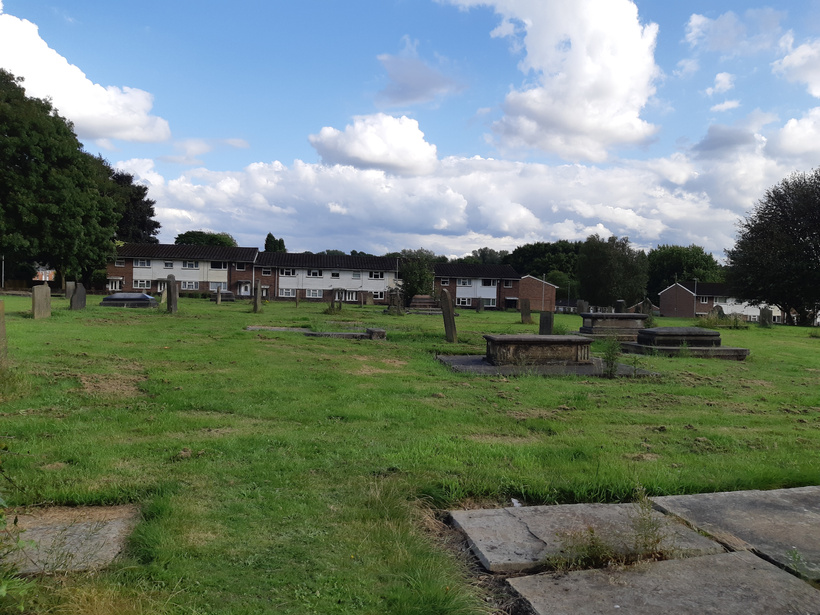

In contemporary folklore, Margaret/Molly‘s story continues to morph and change, with some locals saying that at Halloween, should you dance around her grave and chant ‘Molly Leigh, Molly Leigh, you can‘t catch me!‘, her spirit will be summoned and appear to you in the churchyard.
While I don‘t believe that Margaret was a real witch, if there is an afterlife, I hope it is far kinder to her and her bird than her time on earth allowed.
***

Liked this post? Then why not join the Patreon clubhouse? From as little as £1 a month, you’ll get access to tonnes of exclusive content and a huge archive of articles, videos and podcasts!
Pop on over, support my work, have a chat and let me show you my skulls…www.patreon.com/burialsandbeyond

Liked this and want to buy me a coffee?
To tip me £3 and help me out with hosting, click the link below!
https://ko-fi.com/burialsandbeyond
***
 Burials & Beyond
Leave a comment