

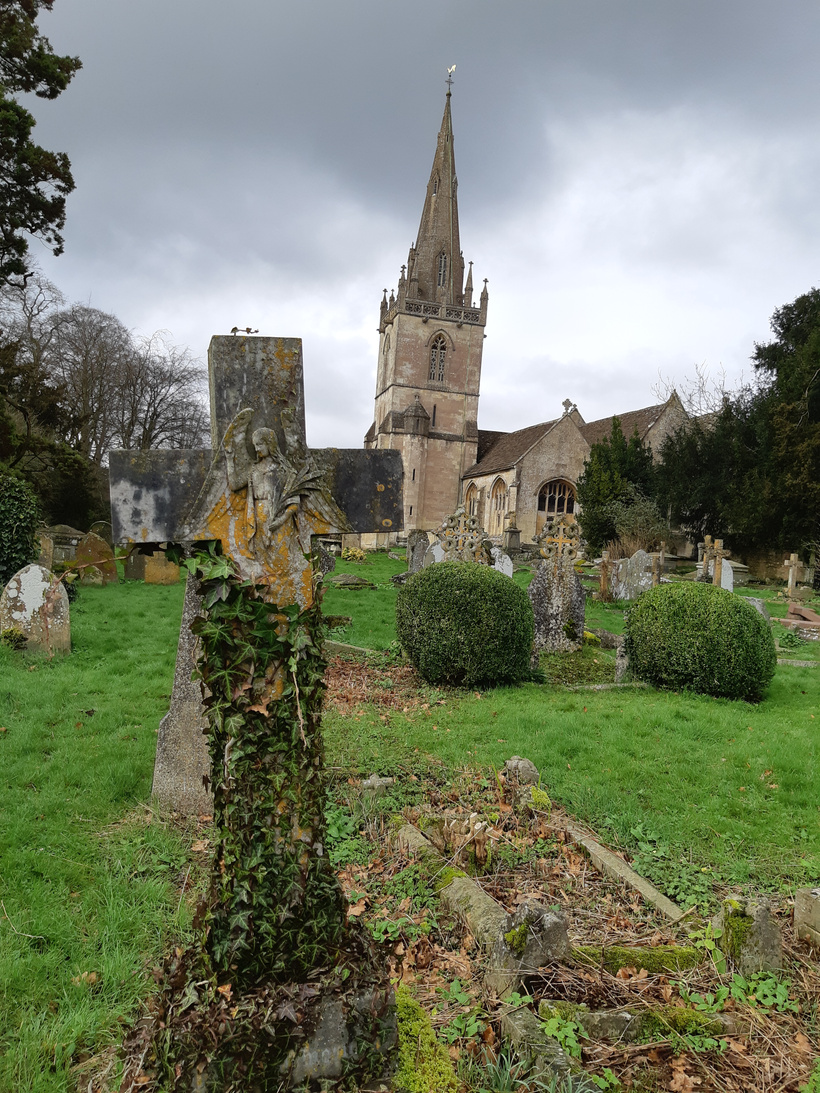
On a recent visit to Corsham (was I visiting friends or was I scoping out a secret government UFO base? You decide!) I was very kindly led to St Bartholomew’s with the promise that ecclesiastical treats lay inside.


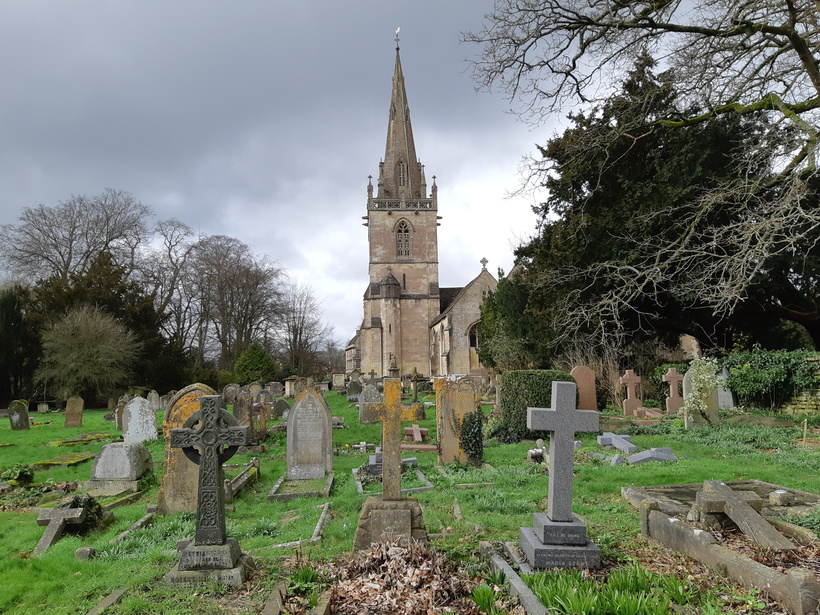
Alien base rumours aside, there has been a church on this site at Corsham since the 12th century. Although little of this original church remains, a few notable pieces of masonry have remained as older features have been re-incorporated into the fabric of the church. A Norman clerestory window (a high vertical window) in the south aisle, some Saxon rubble, and a 15th century nave roof (complete with roof boss) appear to be nearly all that is left of the church’s early incarnations.
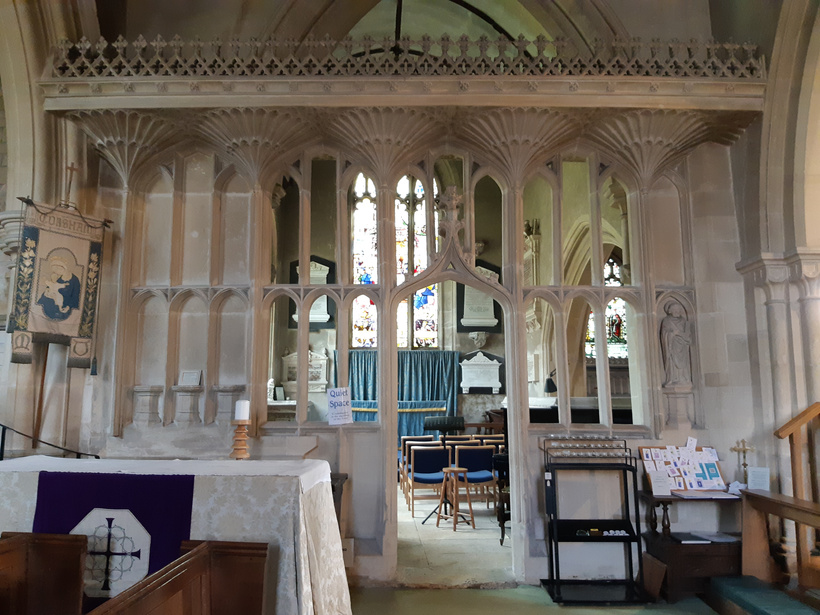
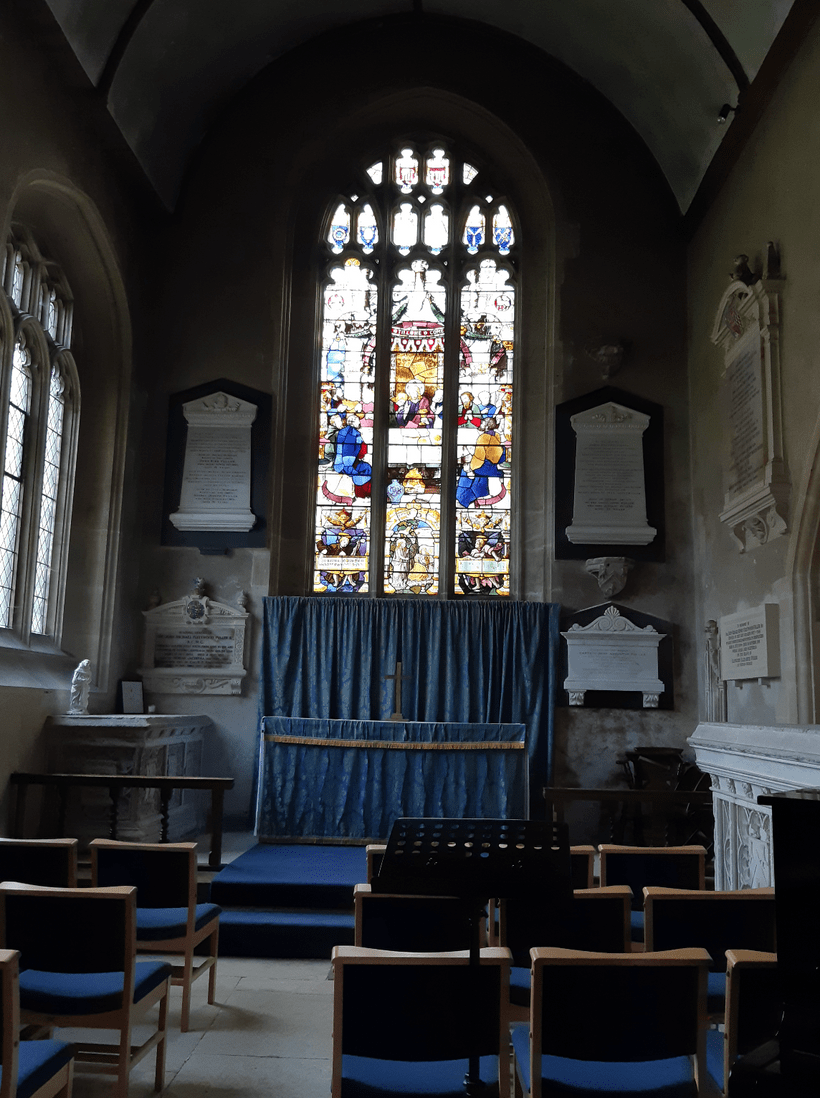
The Lady Chapel (a chapel dedicated to Mary) is a pleasant little area, complete with a few memorials, all associated with the Hungerford and Tropenell families. The Hungerford family were an incredibly powerful local landowning family, with Sir Edward Hungerford commanding Oliver Cromwell’s Wiltshire forces during the Civil War. The chapel was rebuilt in 1465 by Thomas Tropenell, an MP and steward to the Hungerford family, with Tropenell’s efforts remaining largely unchanged to this day.
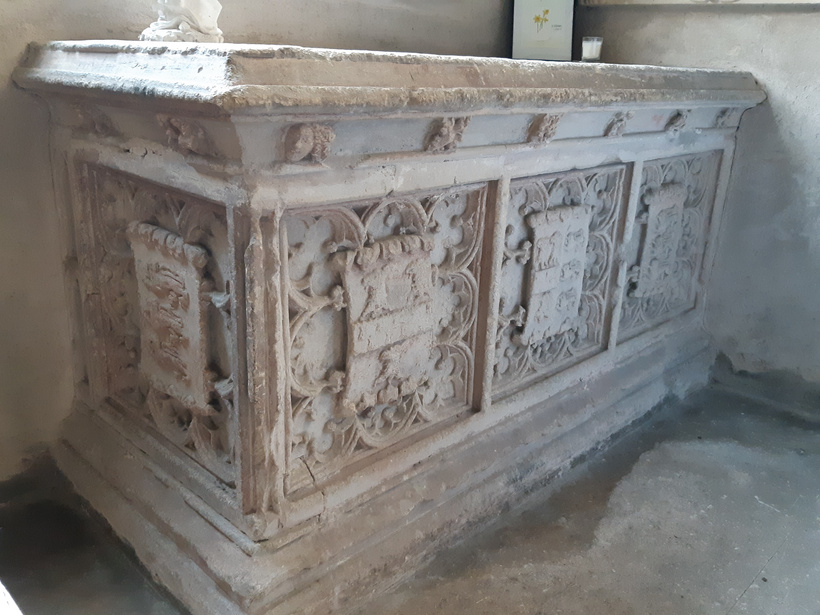
The chapel is separated – unusually – from the aisle by a stone screen and holds a large, simple, table tomb memorialising Tropenell’s son Christopher. His father’s tomb is considerably more elaborate and was once brightly painted. This small area also features memorials to the Fuller family of Neston Park, and is overall, rather tricky to access.

Arguably, the star of the show at St Bartholomew is the Methuen Chapel or North Transept, which was built in the 19th century and is jam-packed with memorials from across the ages. The earliest of these memorials – all to members of the Methuen family – dates to 1627 and is dedicated to Alice Cobb. Originally, the tomb was built in Adderbury, Oxfordshire, but was removed and re-installed at Corsham in 1899, like a massive, deathly, flat-pack kit.
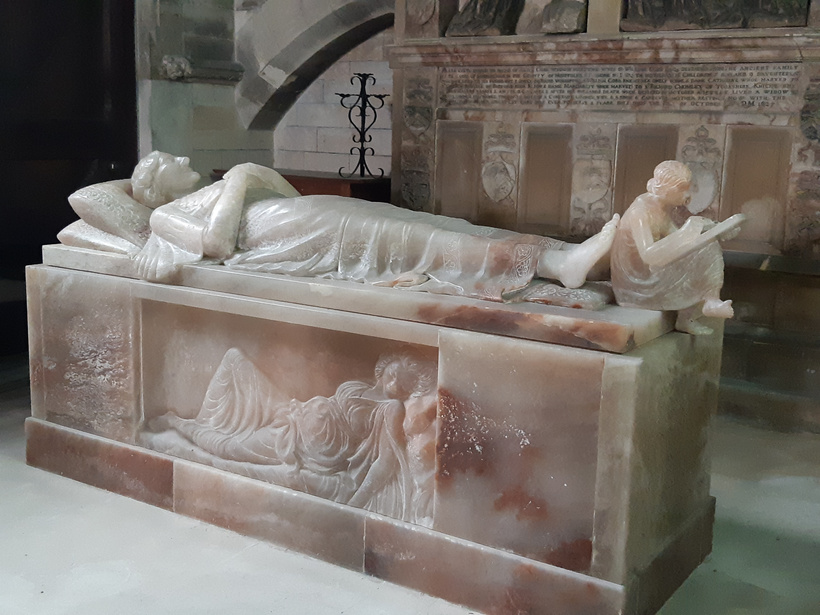
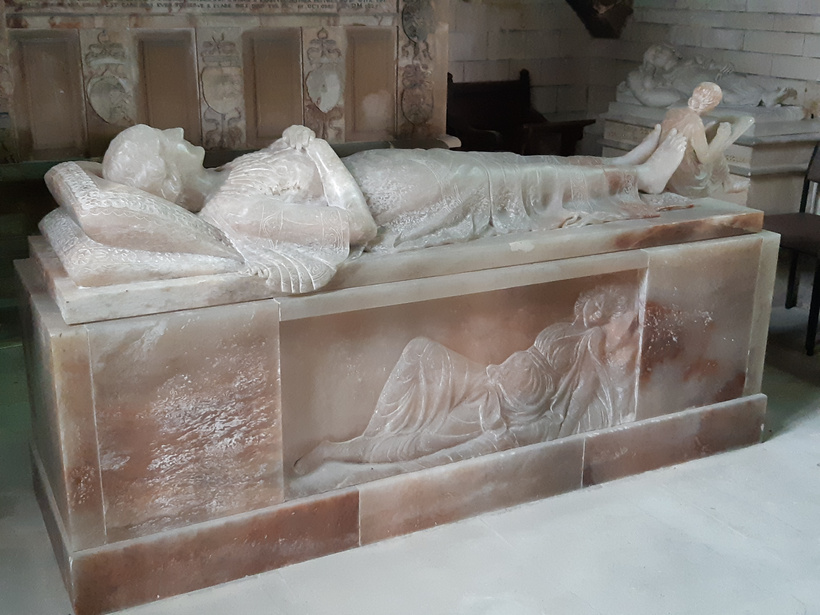
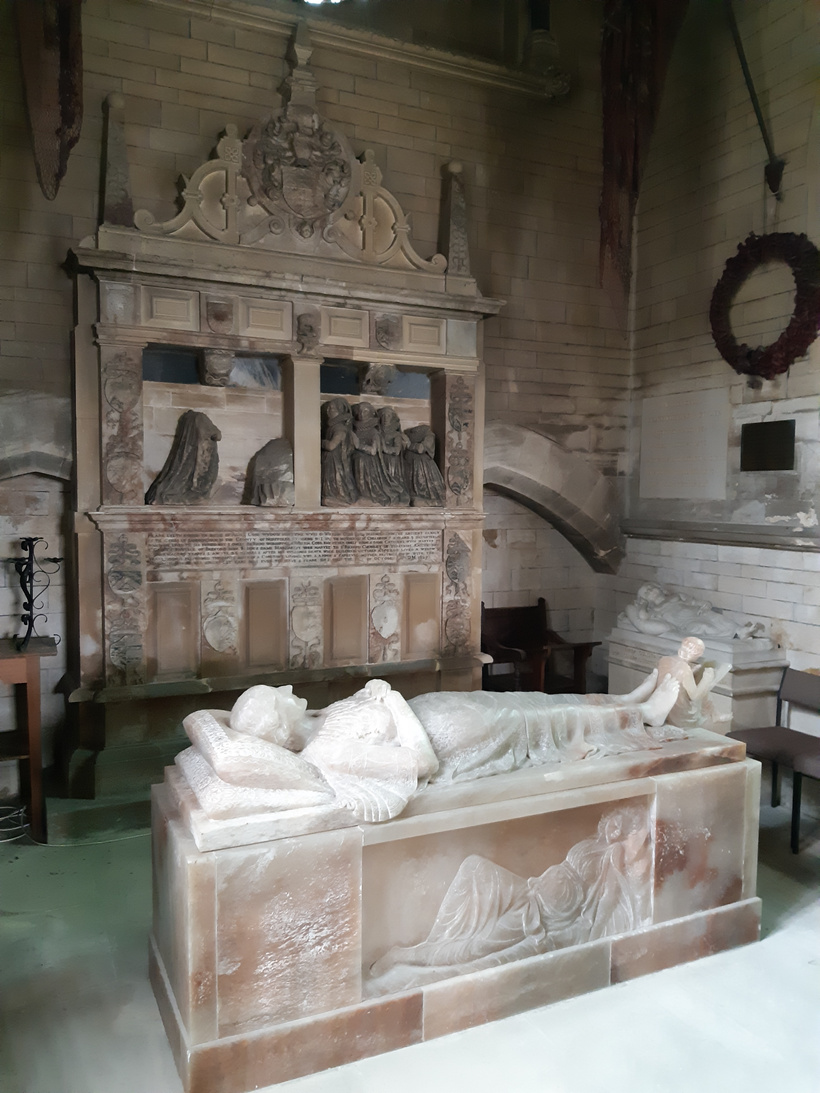
The more modern of these memorials dates from the 1950s. Eleanor Methuen died in 1958 and is depicted in a modern take on the traditional effigy tomb. Her body is shown lying flat atop the tomb with a tiny version of the Lady Methuen herself sat at the foot of her tomb, holding a sketch pad. She was a keen artist and is depicted as such, much like the knights of old preserved in eternity with their swords and coats of arms.
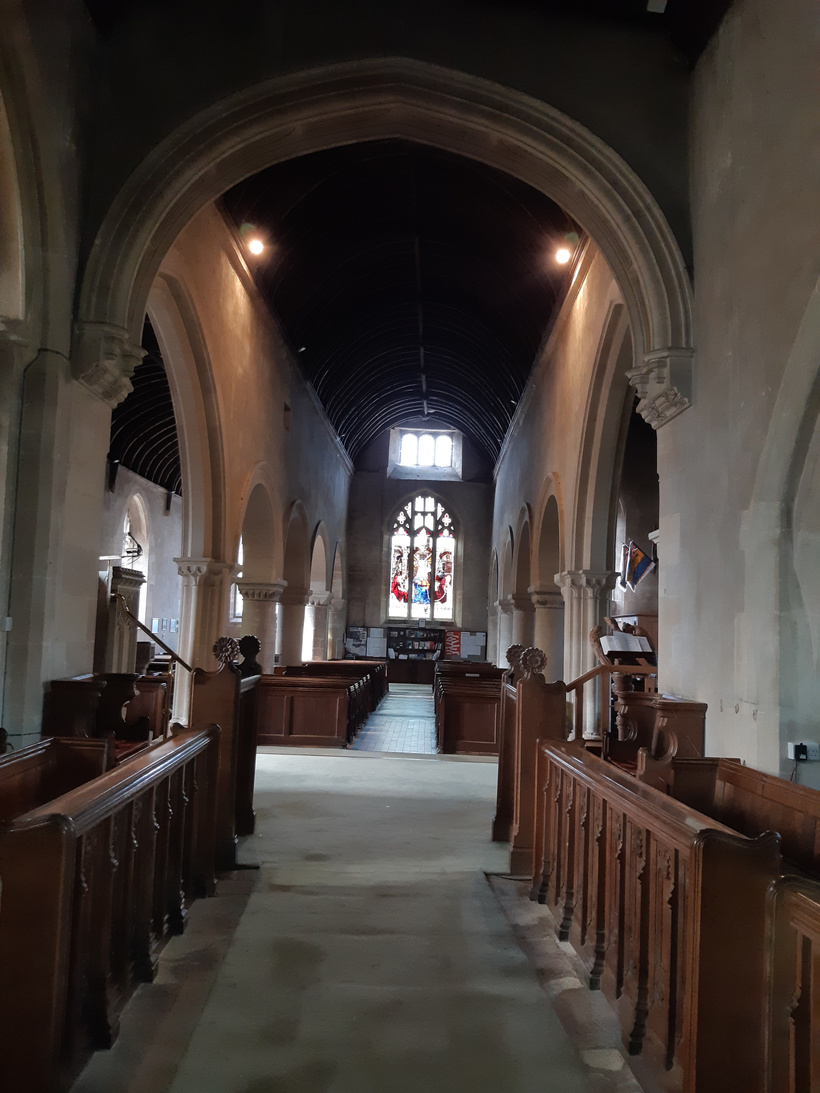
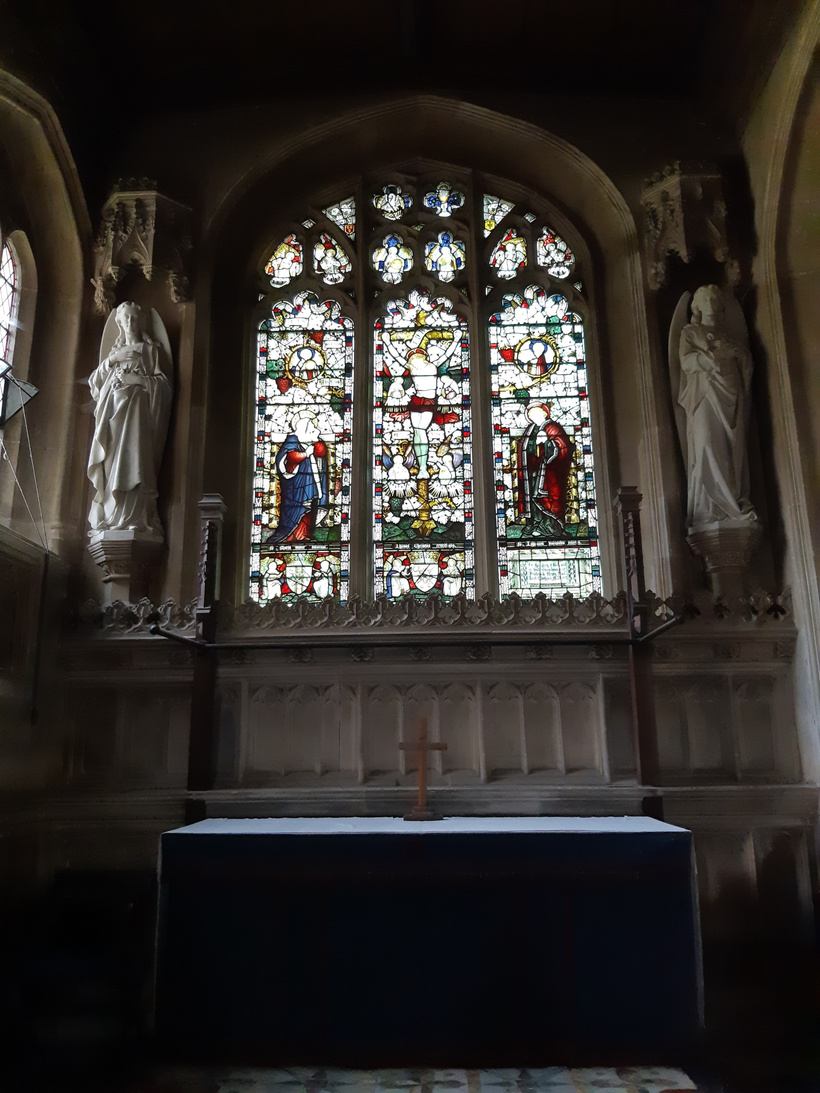
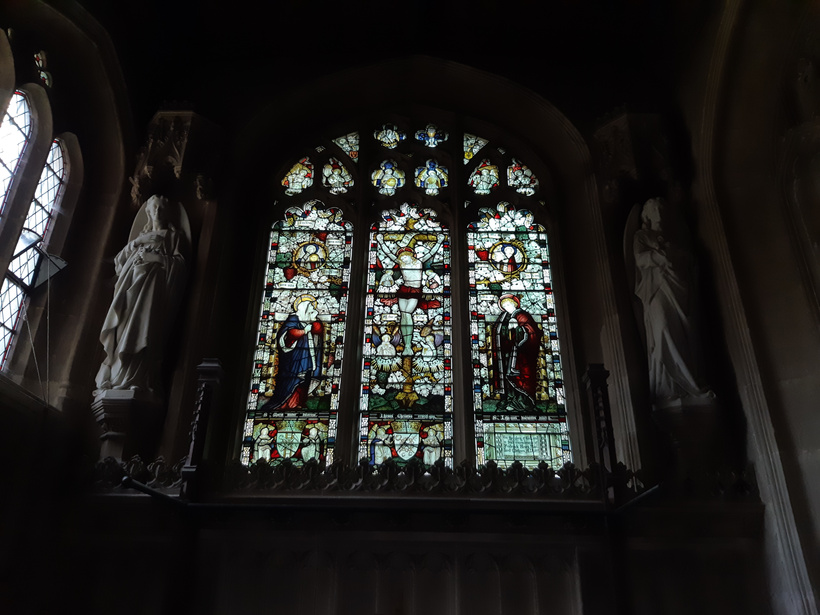
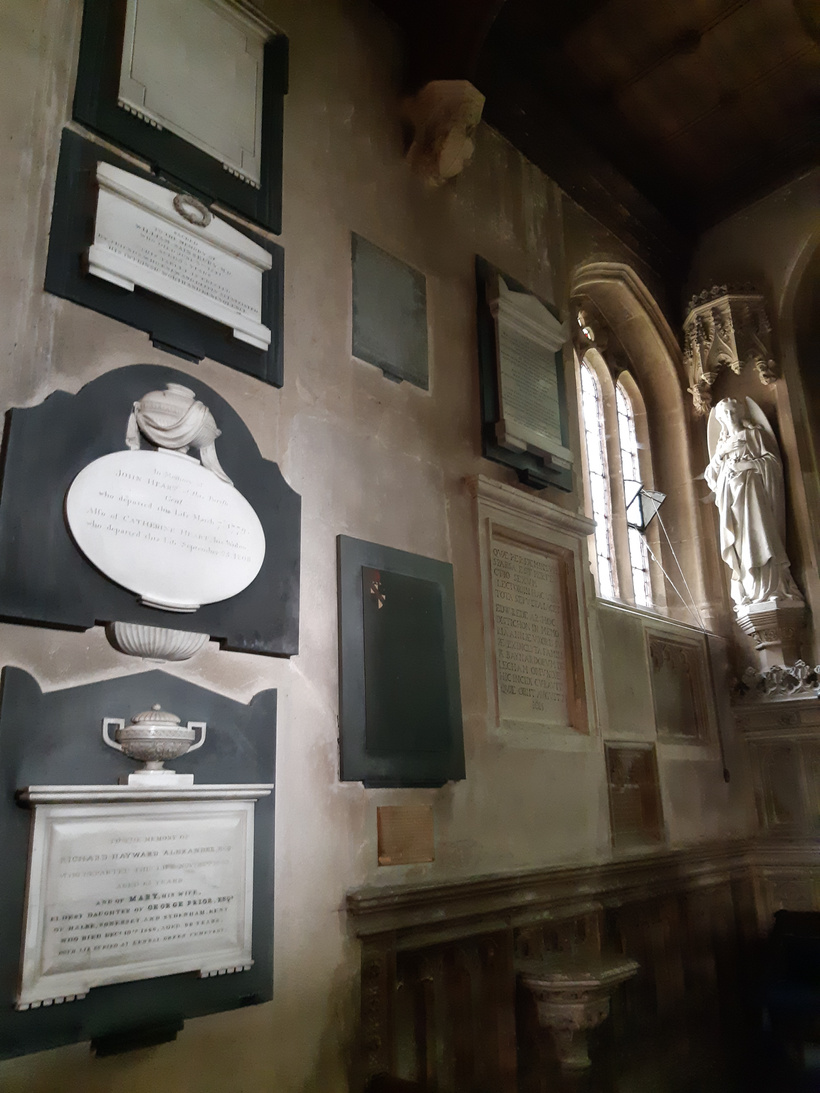
Like many of the walls in St Bartholomew’s, the chancel is scattered with memorial plaques, predominantly Victorian and carved in white marble. Once you turn around to continue exploring the church, it becomes evident that the church is decidedly…wonky. The chancel and nave don’t line up into one smooth line, all thanks to the Normans. Apparently, when the Normans added a chancel in the 11th century, they wanted it to lie due east-west, but the Saxon nave was a few degrees out of their precise needs. So, instead of adapting their plans, they joined the two at a weird angle and called it a day.
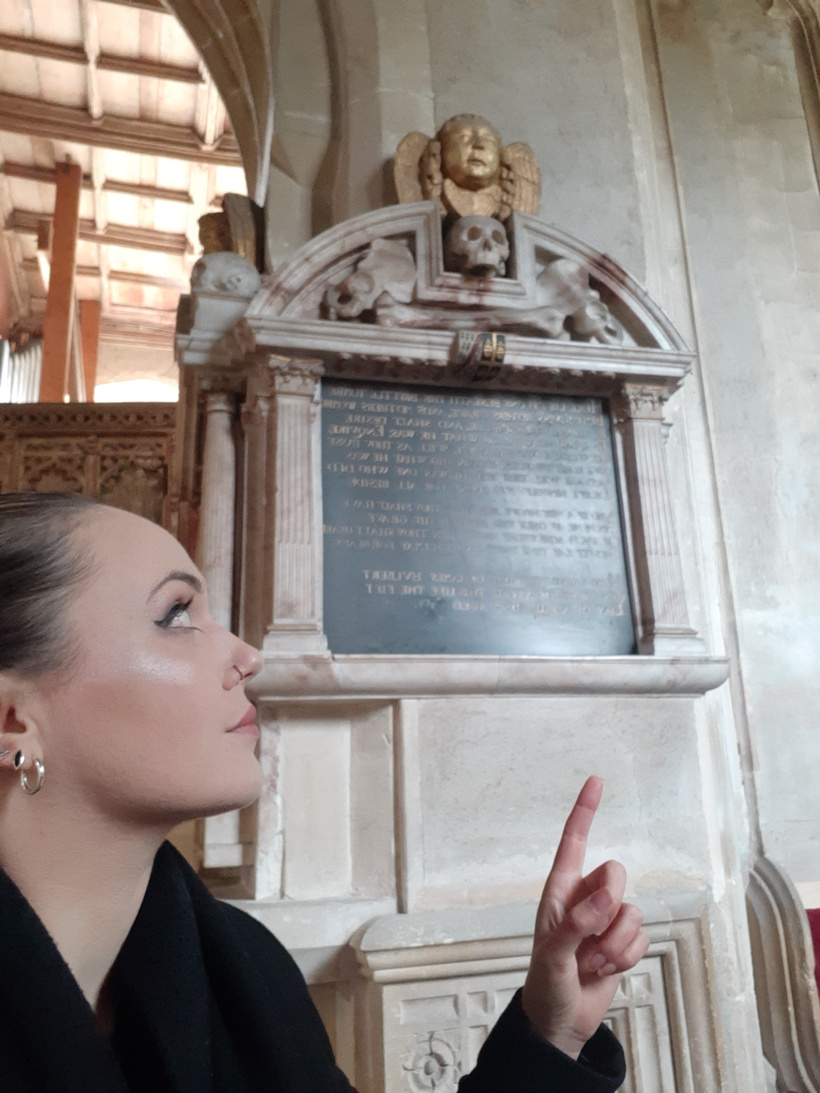
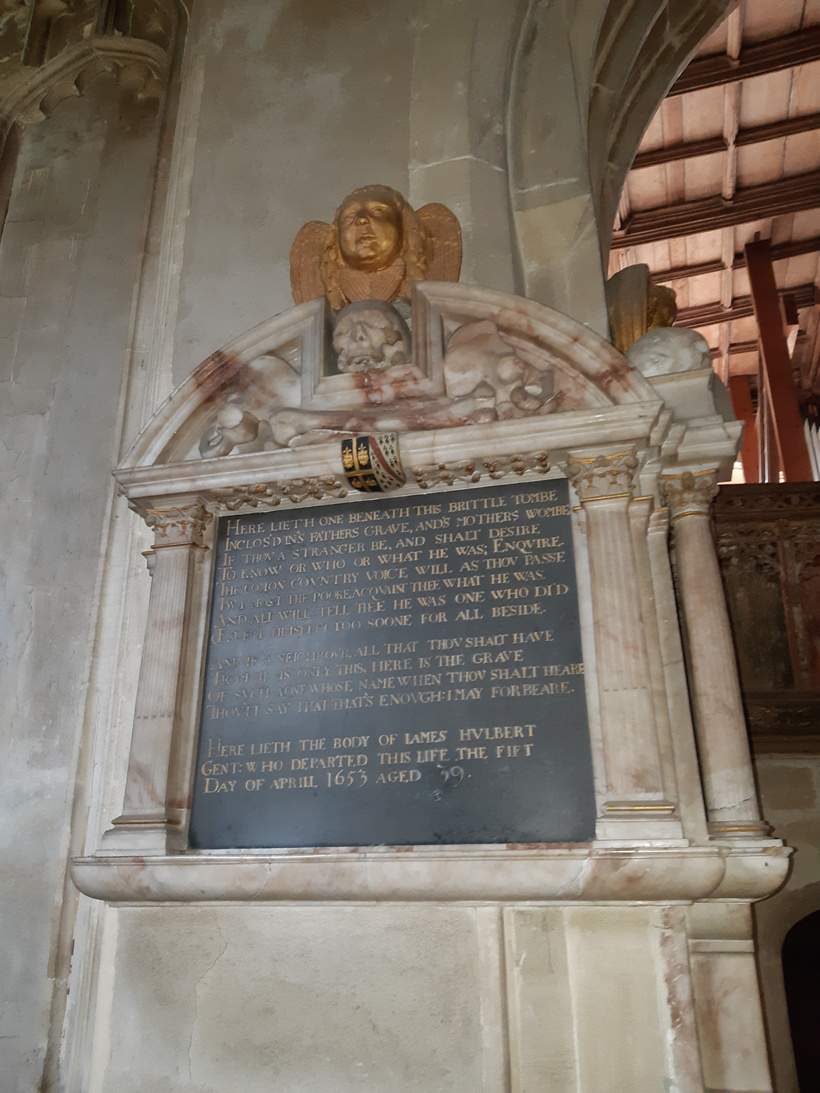
Many of the older alabaster wall memorials (mainly 17th century) feature beautifully sculpted likenesses of skulls and bones, seemingly balanced atop plaques in a reminder that death is inevitable. The best skulls encroach on the vestry, which was once the Consistory Court, where the vicar would oversee some ecclesiastical matters. Above this court/vestry is a small section of medieval panelling which survived the reformation, complete with a few flakes of original red and green paint.
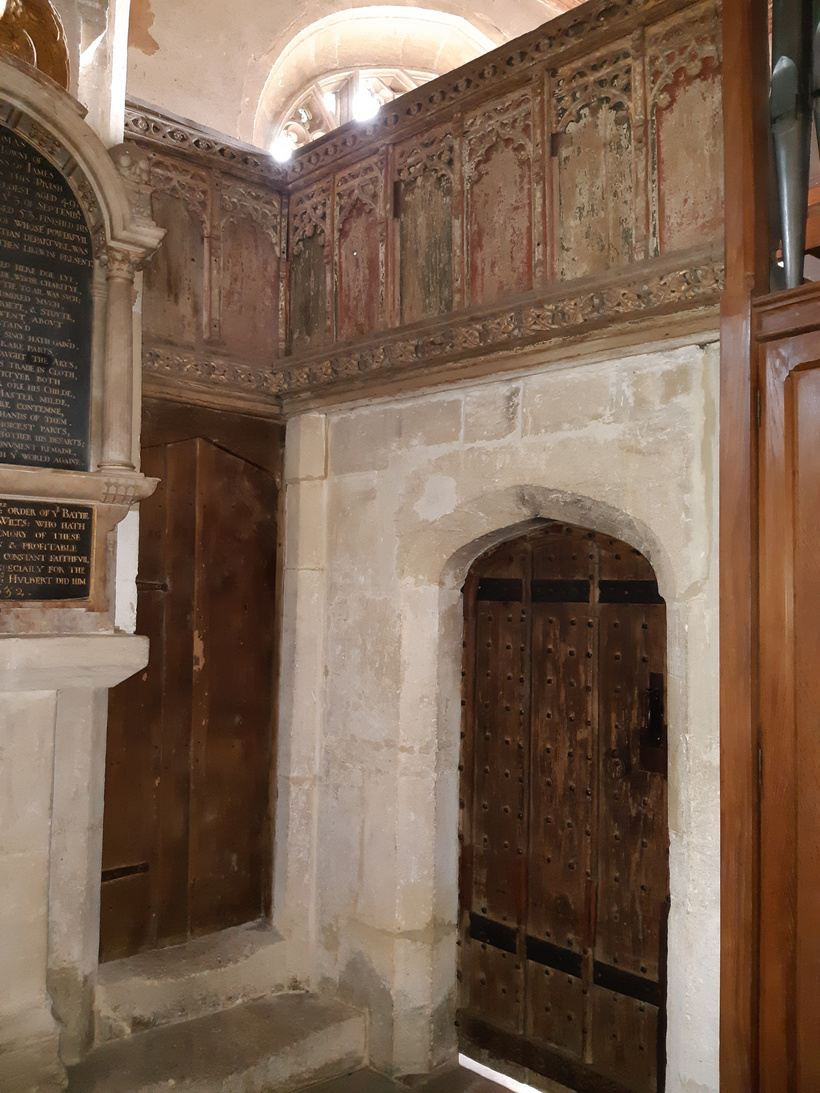
Past the vestry and into the transept is the absolute motherload of wall memorials. Removed and re-assembled during Victorian restorations, the walls are covered with a jumble of memorials from across the centuries, scattered randomly like patches on a punk’s jacket.


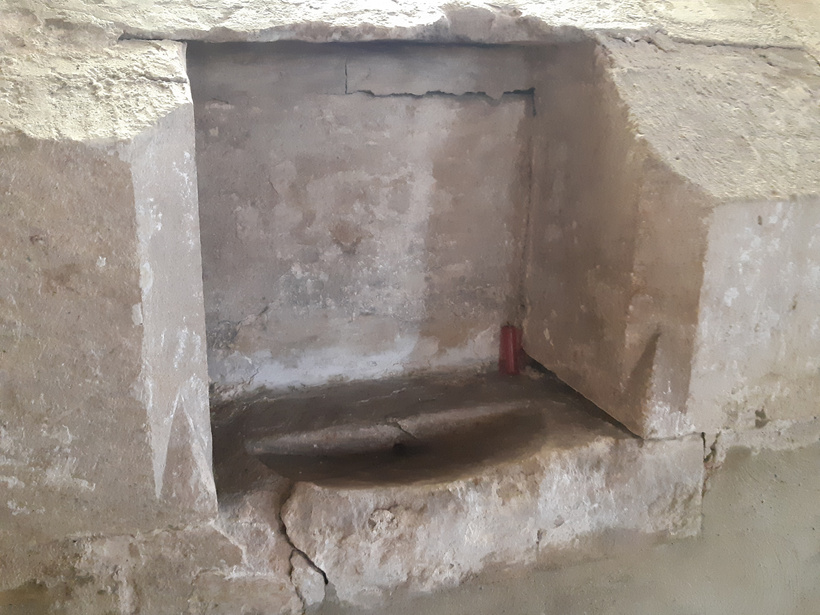
Several other historical treats can be found throughout the church building, including a piscina (a divot under a window that holds holy water), which suggests that a Catholic Chapel was in place before the reign of Elizabeth I.
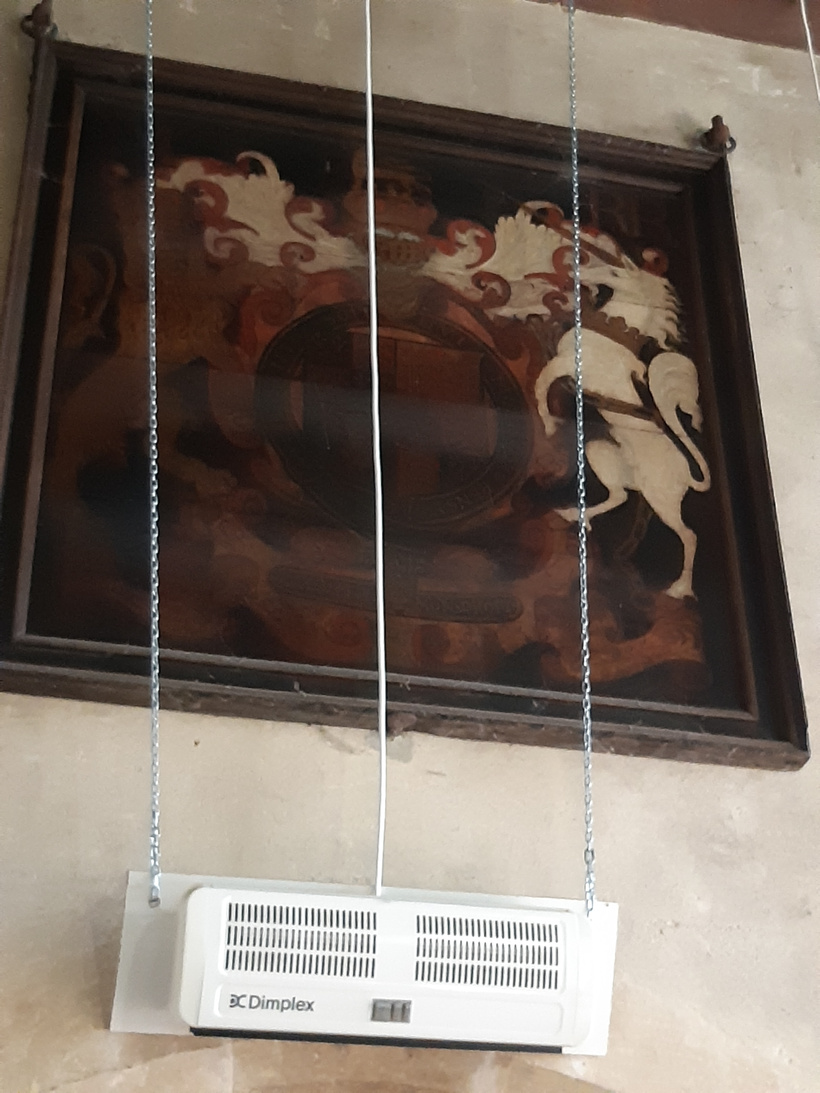
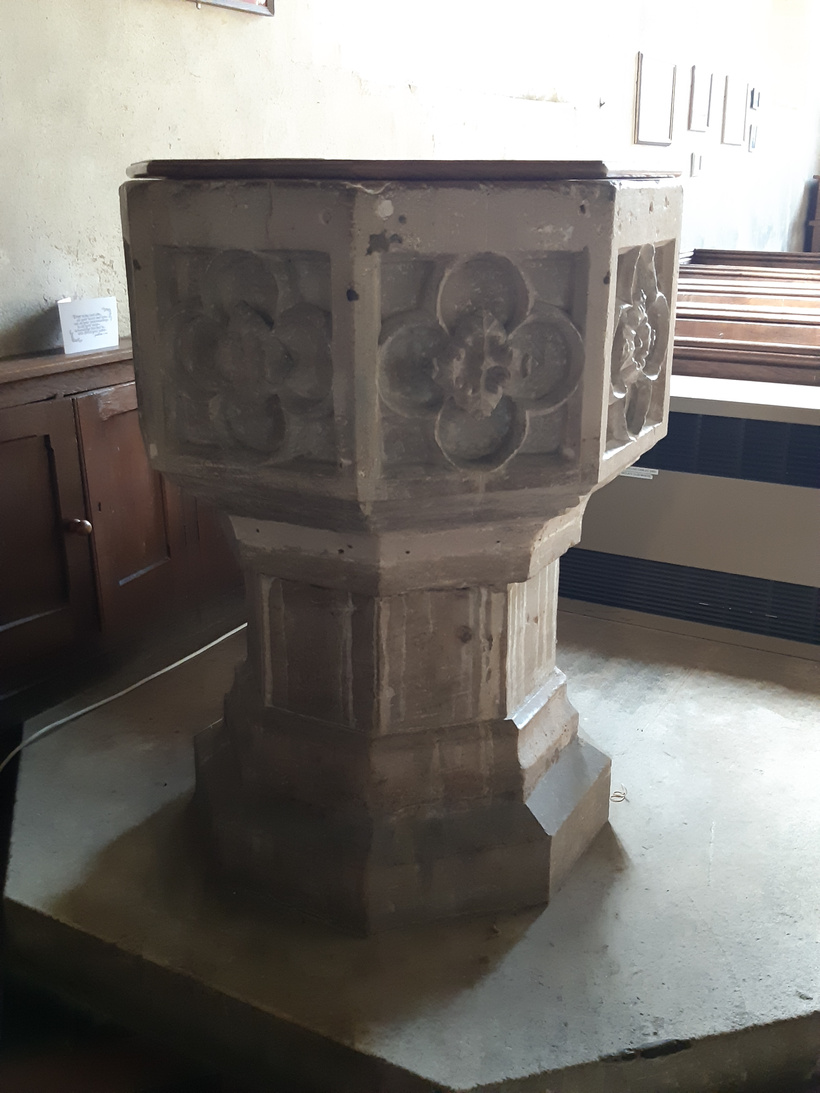
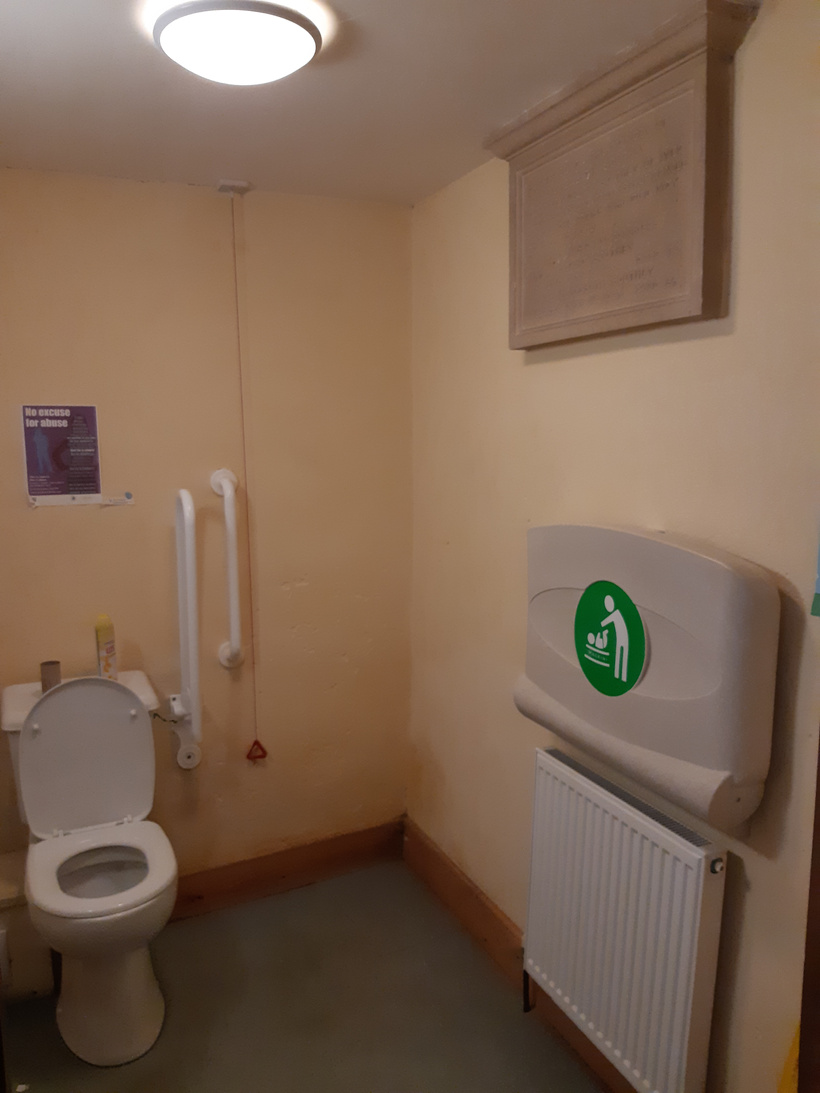
The font is a 15th century example, carved with large Tudor roses and is close to a large royal coat of arms to William and Mary. And most importantly of all, the toilet also features a wall memorial, so you can contemplate eternity while you wee.
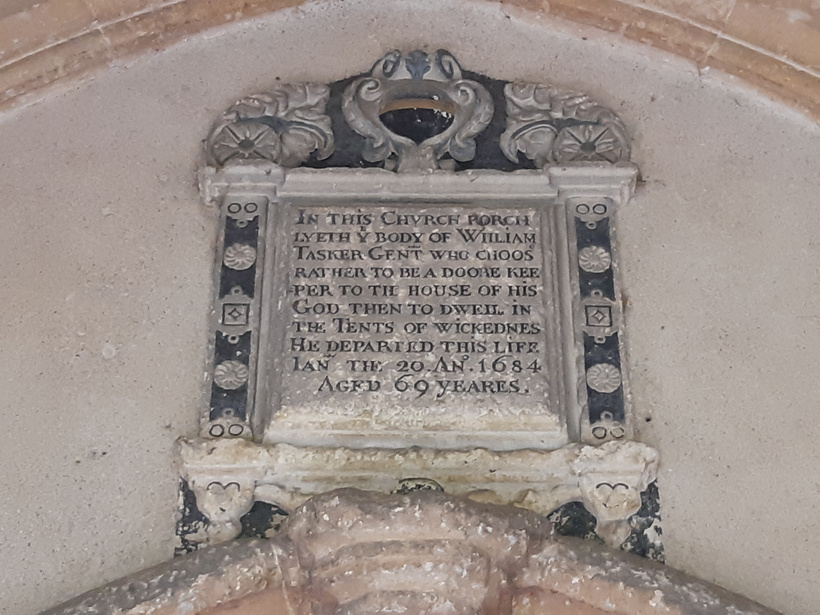
Leaving the church, remember to look up as a gorgeous little 17th century tablet commemorates William Tasker (d. 1684) who ‘chose to be a door keeper to the house of his God than to dwell in the tents of wickedness’ before dying aged 69.

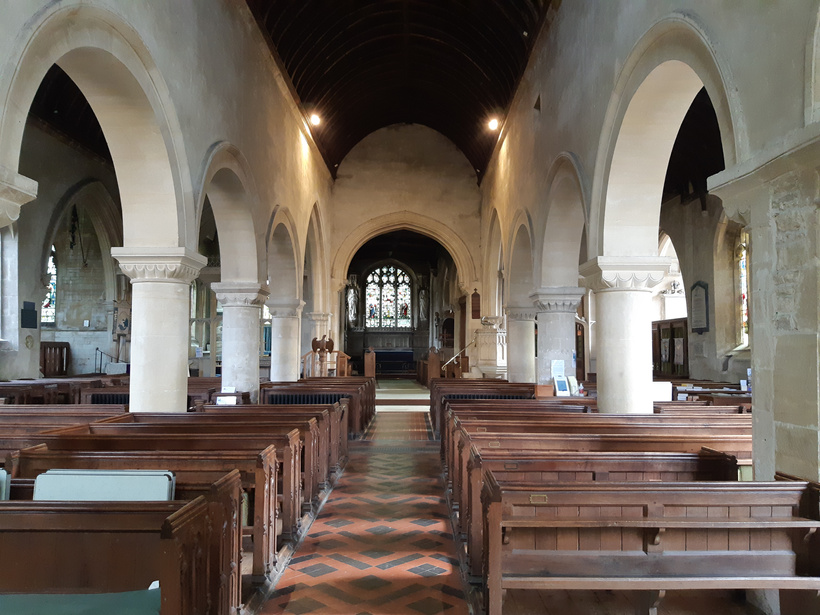
The church at Corsham is well worth a visit, and if the weather is good enough, you can easily fill a whole afternoon with a thorough exploration of the church and grounds.
The church at Corsham is well worth a visit, and if the weather is good enough, you can easily fill a whole afternoon with a thorough exploration of the church and grounds. And, because that’s exactly what I did, I’ll save my obnoxiously long exploration of the graves for later. But you’ll want to be back for that, there’s teeth.
***

Liked this post? Then why not join the Patreon clubhouse? From as little as £1 a month, you’ll get access to tonnes of exclusive content and a huge archive of articles, videos and podcasts!
Pop on over, support my work, have a chat and let me show you my skulls…www.patreon.com/burialsandbeyond

Liked this and want to buy me a coffee?
To tip me £3 and help me out with hosting, click the link below!
https://ko-fi.com/burialsandbeyond
***
https://www.achurchnearyou.com/church/11763/
https://www.britainexpress.com/counties/wiltshire/churches/corsham.htm#google_vignette
 Burials & Beyond
Leave a comment