
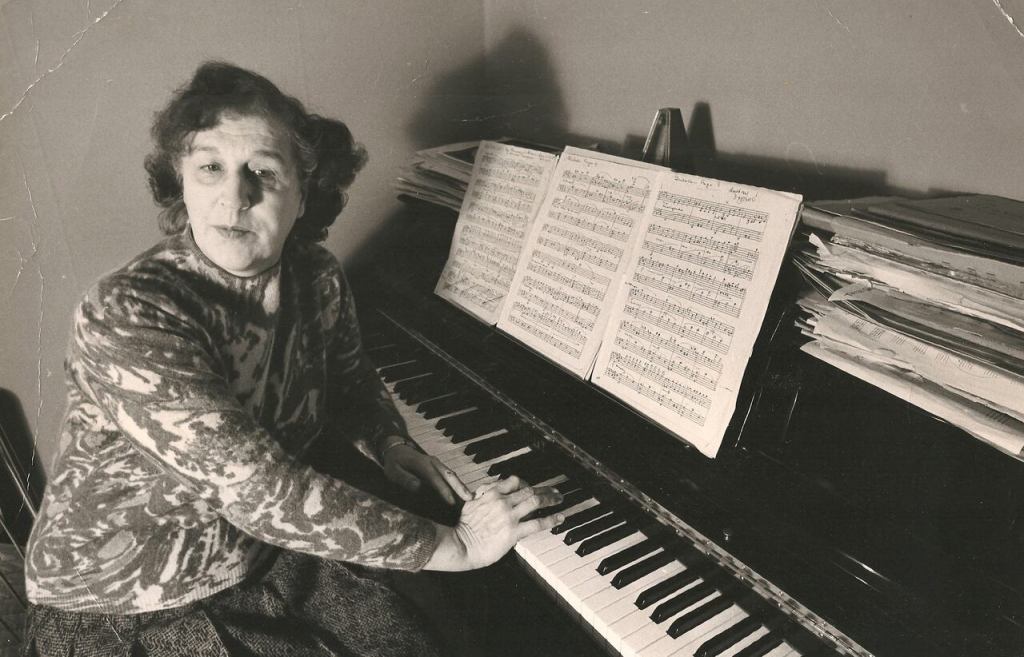
Most mediums claim to channel messages from the dead. Whether these messages be through spirit voices, suggestion, or the ‘feelings’ transferred by the deceased, the outcome is generally a personal and transient one. Few mediums will collate the messages from an evening’s readings and present them as a handy pamphlet or profound speech to be recited at later public gatherings. Since its inception, modern spiritualism has been punctuated by mediums claiming to have channelled the great and good of history, from Oscar Wilde to Napoleon. To claim to produce post-mortem works and quips from literary minds and wits is quite the vote of self-confidence, but are generally rarities. Yet for all these sporadic works, dictated from the spirit world and published in our corporeal one, few mediums travelled around the world of arts and humanities. Enter, Rosemary Brown.
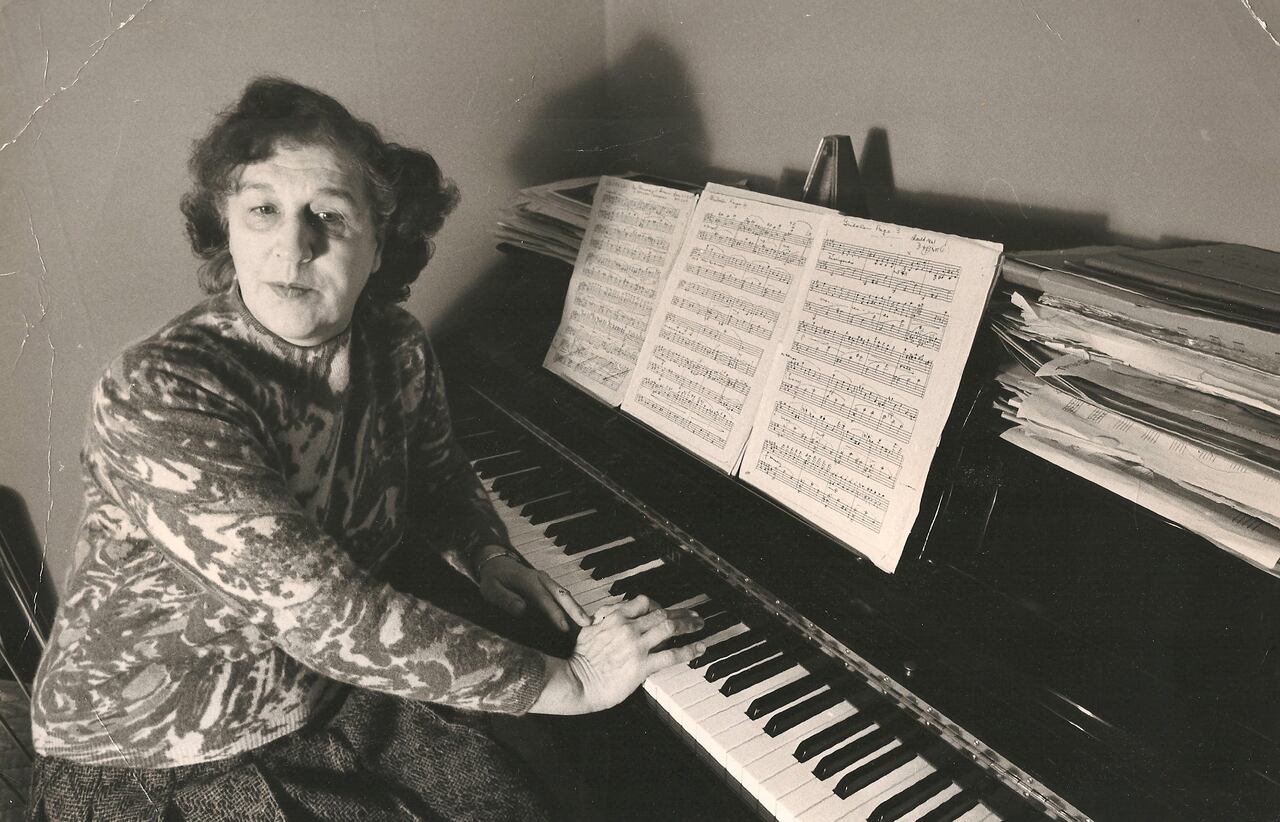
In an independent documentary by Dr Keith Parsons, the tag line for the project encapsulates Brown’s career perfectly. ‘Rosemary Brown was a remarkable medium, and one of the most preposterous women of the Twentieth Century.’ Rosemary Brown in an unfamiliar name to many of us in paranormal and esoteric fields. It could be argued that this is not only because Rosemary was a woman, but a working class woman, and one demonstrating intellectual aspirations beyond her social station. She also dared to commit one of womankind’s most unutterable sins; she was older. Being a school dinner lady with reportedly no great charisma, performance background or typical physical appeal, she was little more than a curio to the mostly-disinterested public during her time of mediumistic claims, and today is regulated to little more than a laughable footnote. However, the talents and staggering claims of the late Rosemary Brown are some of the most compelling and unusual in 20th century paranormal and spiritualist research.
Rosemary Isabel Dickeson was born in London, England on 27th July 1916 to a family who were already very familiar with the world of psychic gifts. Both of Rosemary’s parents and her grandparents proclaimed to be in possession of psychic powers, and it was not long until young Rosemary was experiencing her own unexplained phenomena. Rosemary later attributed her abilities to her ‘Celtic’ blood, jovially commenting that her ESP proved to be a mild irritant to her father as young Rosemary was prone to contacting several of his dead friends.
At the age of seven, a man with long white hair and wearing a black cassock appeared in her family home unannounced. He claimed that he would return when Rosemary was older and would make her very famous indeed. In Brown’s memoirs, she recounts this first meeting with warmth. ‘He came on that first occasion as a very old man. His long hair was very white and he was wearing what I took to be a long black dress. At seven I didn’t know what a cassock was.’ After which the composer said, ‘When you grow up I will come back and give you music’.[1]
The family didn’t call the police, but bided their time knowing full well that the mysterious interloper was not of this world. A full decade had passed before Rosemary recognised the strange spectral man from a photograph; she had been visited by none other than the ghost of Hungarian composer, Franz Liszt.
After beginning work at the age of 15, she attended piano lessons for 3 years, practising on a second hand upright piano, but did not pursue the instrument professionally. Shortly thereafter, she married and had two children before her husband passed away in 1961. Rosemary found herself as a widow with two small mouths to feed and eventually took up work as a school dinner lady. A few years later, in 1964, Liszt fulfilled his promise, returning to the adult Rosemary and beginning a psychic creative relationship that would last for years.
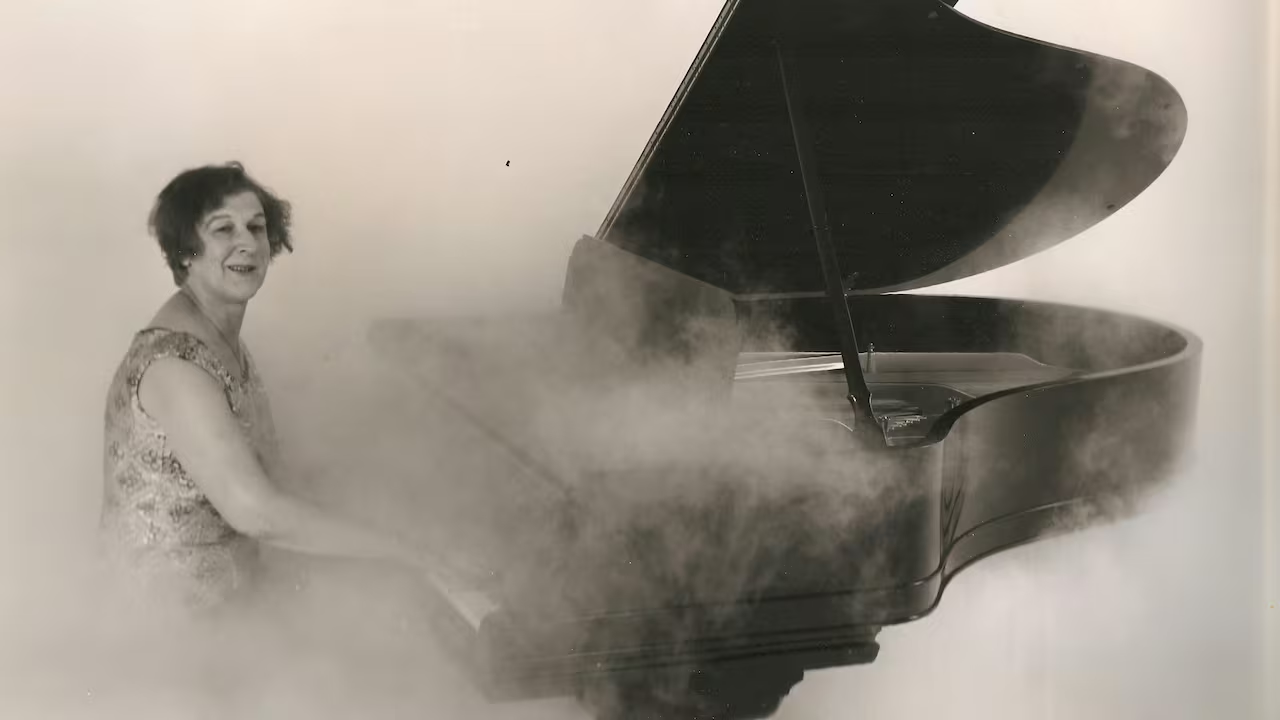
Tentatively, Rosemary sat at her piano and held her hands over the keys. Suddenly, her fingers moved across the notes, her hands overtaken by an unseen force. After a few bars, she paused and transcribed the notes onto paper. The process repeated and before long, a substantial piece of music sat in front of her. Liszt had moved her hands, taking them over ‘like a pair of gloves’[2] Rosemary explained, whereas she was just a catalyst.
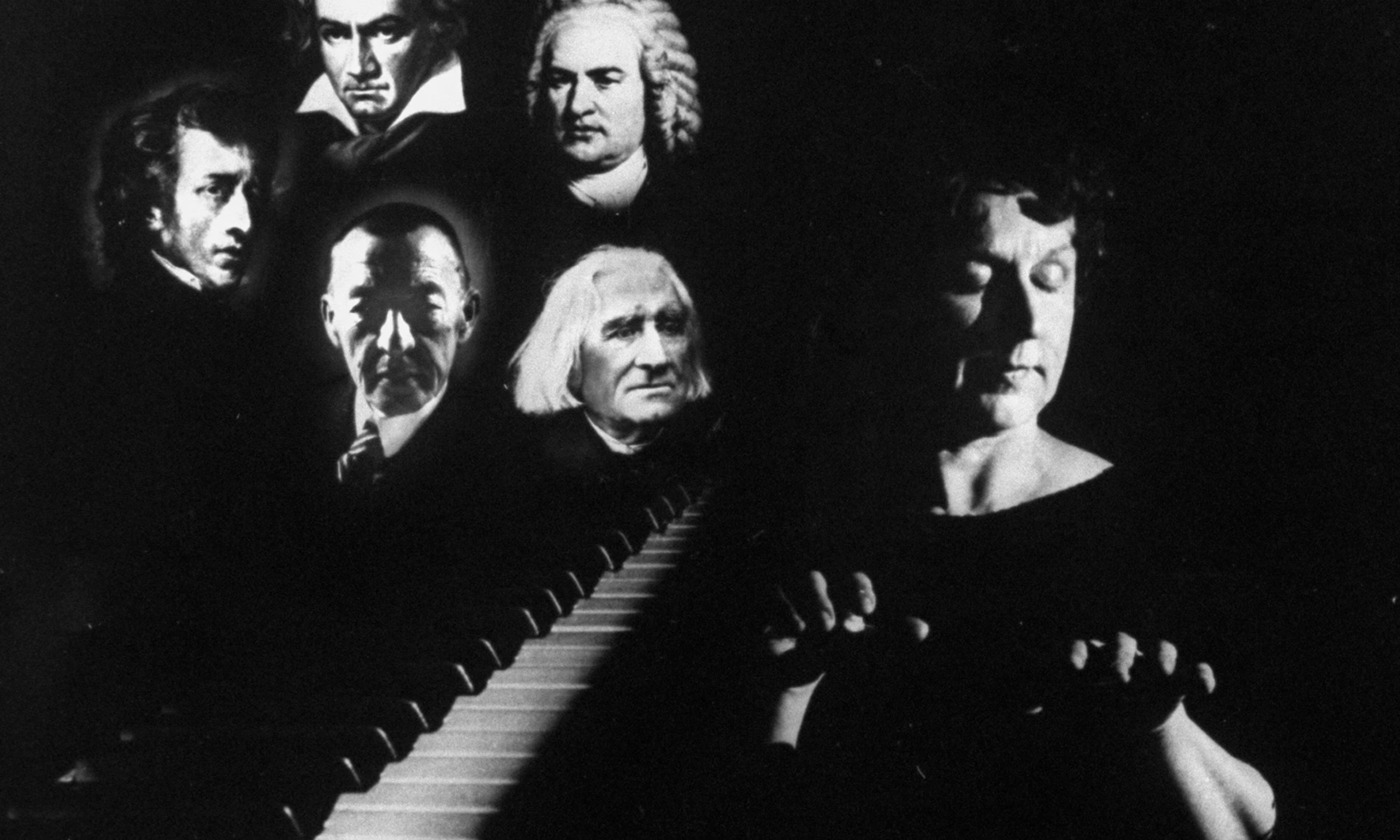
Before long, a total of twelve great composers visited Rosemary, with the amateur pianist transcribing works from the likes of Ludwig van Beethoven (two symphonies and two sonatas), Wolfgang Amadeus Mozart, Johannes Brahms, Edvard Grieg, Sergei Rachmaninoff, Claude Debussy, Frédéric Chopin, Robert Schumann, Franz Schubert (12 songs and a 40-page sonata) and Johann Sebastian Bach.
Rosemary also noted the personality traits of visiting composers, alongside the compositions themselves. Rachmaninov, for example, was reserved and quiet, Grieg was friendly and welcoming, whereas Berlioz was explosive and a troublesome colleague. The great Beethoven had reportedly been cured of his deafness, losing ‘that crabby look’ along the way. Chopin was an irritant for a short while, repeatedly screaming something unintelligible in French. According to Brown, this was revealed to be a frantic warning that her bath was overflowing.
Not all of these spectral composers were as hands-on as Liszt, but used Brown’s gift in several other ways. Schubert, for example, would sing his compositions into her ear while Bach and Beethoven recited the appropriate notes to the pianist as she wrote them down. Conveniently, all composers had developed a commendable grasp of the English language since passing over and dictated their works in English, making the process of transcription a relatively smooth one.
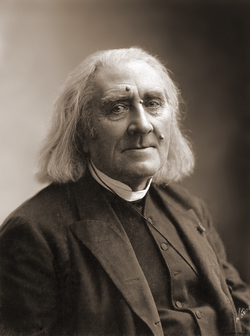
The majority of Rosemary’s visiting composers were not tied to working hours, with Liszt in particular visiting her in the dead of night, waking her or interceding when she couldn’t sleep, putting Rosemary to work to make use of this idle time.
During this time, Liszt could be consulted on a variety of matters, including his judgement of contemporary pop music, which he deemed to be ‘fun and may be good for young people, providing it is not depraved.’
Composers were also prone to accompanying Rosemary after their work was complete, with the medium claiming that Chopin had rather unwillingly watched television with her, while Liszt had once followed her to the supermarket where he had a particular interest in the price of bananas.[3] When not concerned with the price of groceries, Liszt proved to be of helpful, psychic benefit when the family were struggling financially before the holiday season. Here, Liszt unexpectedly appeared to say ‘I think that perhaps you should try the football pools this week’[4]Brown placed her bet and duly won. Whatever Liszt said, Rosemary agreed and the family were supported by her winnings. He didn’t tell her to play every week with some spectral insight, but merely on occasion.
The method by which Rosemary psychically contacted these illustrious musicians was a simple matter of reported telepathic connection. When a composer wished to communicate, they would think of Rosemary, thus aligning their consciousness’ and ensuring a clear channel of communication.
Brown explained this psychic link in her autobiography, Unfinished Symphonies, that Liszt ‘thinks of me and by so doing, he gets on my mental wave length.’ When the two minds are joined, the veil between life and death was no longer a barrier to creative collaboration. However, Brown was clear to say that the composers were close by, but were not at her beck and call. When Time Magazine were keen to pose 20 questions to Brown to prove the existence of her visitations, she quipped ‘I cannot push a button and call on the composers just like that.’[5]
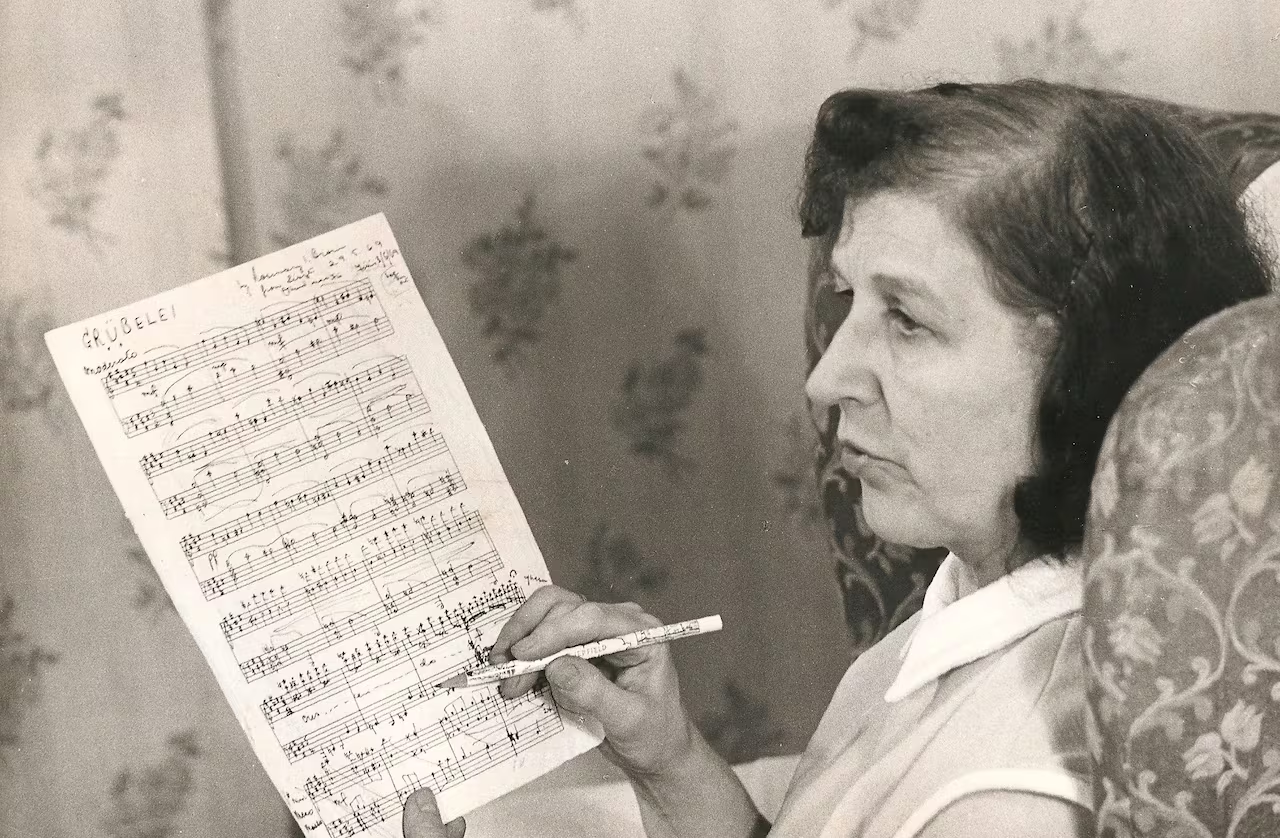
As reported in Brown’s 2001 obituary, printed in The New York Times, ‘Mrs. Brown’s credibility as a medium was buttressed by her own musical ignorance. She had just three years of piano instruction and could not play by ear or extemporize. There was no record player or radio in her home and she said she never went to concerts.’[6] It was reported during her years of mediumship that the disparity between her own skills and the requirements of the dictated pieces was so great that Brown was often only able to transcribe the works, and was unable to play them herself.
Although Brown had no formal training or exemplary abilities on which she had previously been able to capitalise, it could be argued that, although she did not demonstrate any notable musical abilities prior to paranormal intervention, she may have concealed the true extent of her skills. The argument over conscious/subconscious concealment is one often employed in paranormal investigation, especially in poltergeist cases where violent phenomena occur, but have no confirmed human origin or clear sign of intent or manipulation.
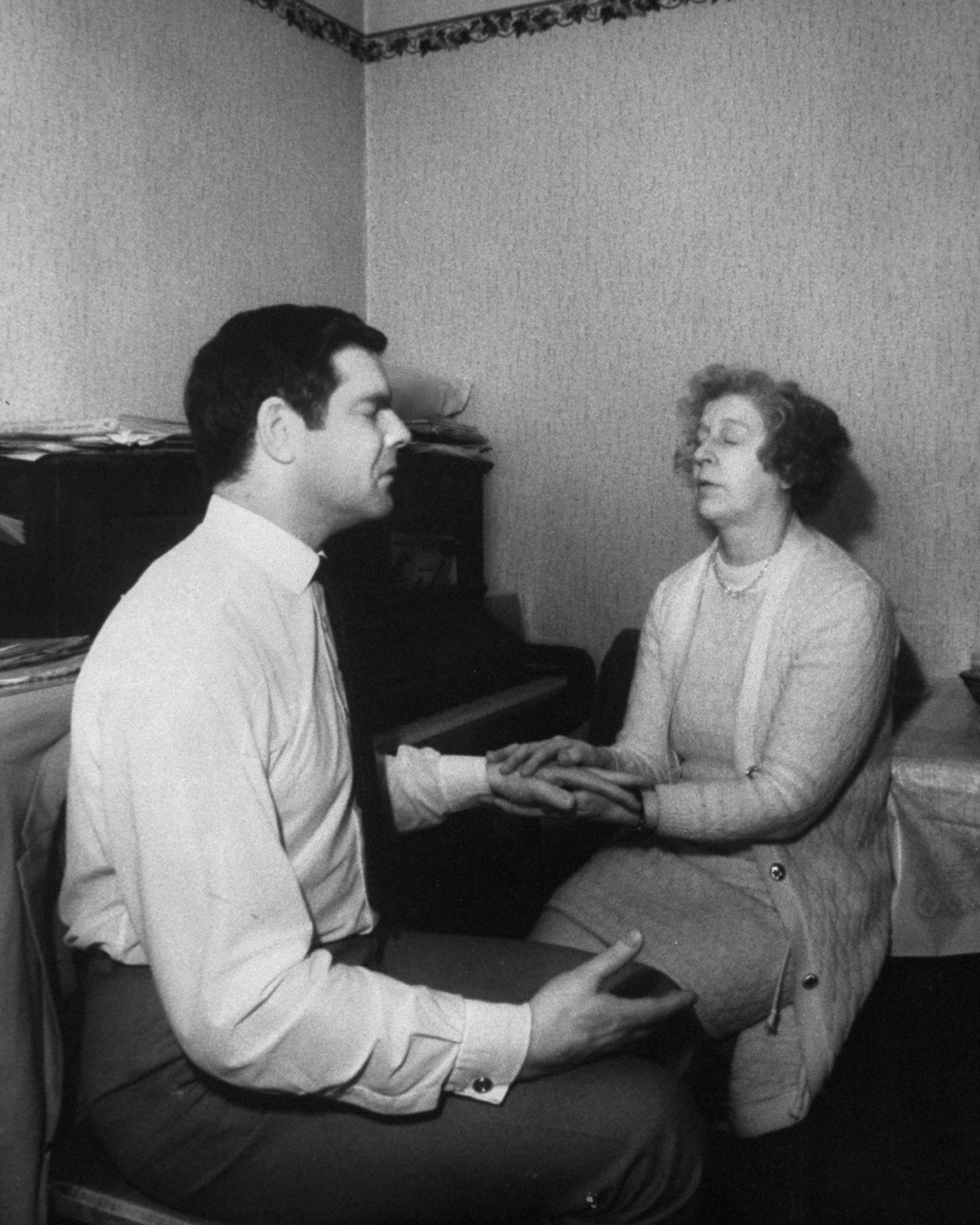
In order to further examine the legitimacy of Brown’s claims, her spiritually-dictated pieces were forwarded to several experts in the field of classical music. While she was generally subjected to public ridicule due to the supernatural nature of her claims (which stood in humorous juxtaposition with her low social status), many people from within the music industry entertained Rosemary’s work. Celebrated conductor Leonard Bernstein visited Brown, going on to inspect several scores from her ghostly repertoire which he took back to his suite at the Savoy Hotel. However, he was left generally mystified by the whole performance and sceptical of Brown’s legitimacy. He reportedly commented that he would ‘buy’, meaning that he would accept as legitimate, one of her Rachmaninoff pieces, but very little else of her musical offerings. Rather sardonically, André Previn, who at the time was the conductor of the London Symphony Orchestra, stated that if these pieces were indeed the new works of great dead composers, they would have been best ‘left on the shelf.’[7]
Generally speaking, the consensus between musicians was that Brown’s pieces were best when they were shorter; it was the prolonged length of works that brought their source under the greatest scrutiny. As such, the majority of Brown’s pieces were three to five minutes in length, giving musicologists relatively little to compare and contrast when held against the original composers’ oeuvre. Humphrey Searle, a composer and Liszt specialist, wrote a substantial essay on Brown’s channelled piece titled ‘Grubelei’, commending the advanced tonality of the piece and its similarities to Liszt’s methodologies. Searle writes that ‘Most of the pieces that she has written are very interesting from the musical point of view. I have to admit that the origin of the pieces is really what she says it is. I am sure that she is perfectly sincere.’ He goes on to say of the Liszt pieces, ‘I prefer Grubelei, a remarkable work that could very well have been written by Liszt.’
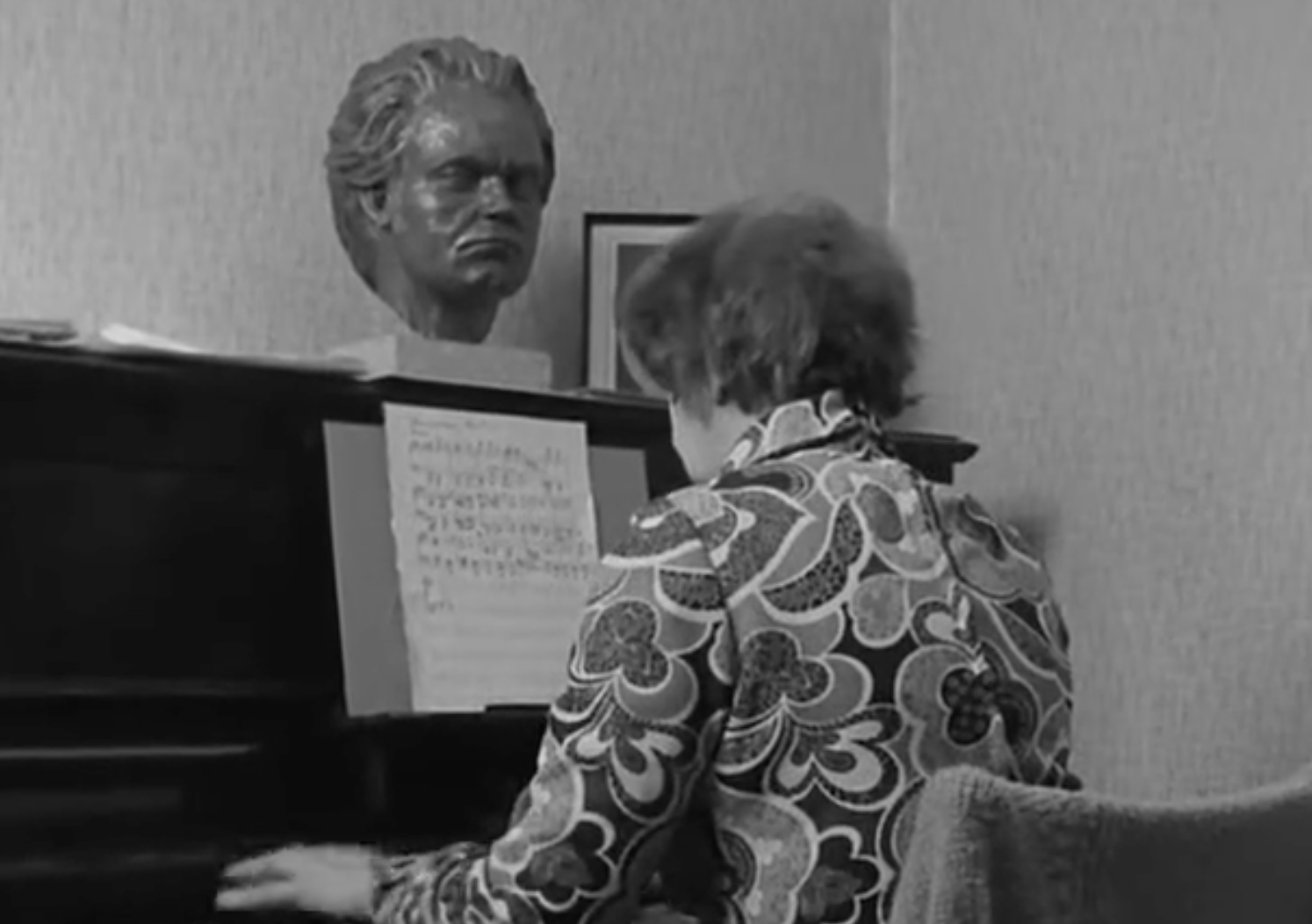
Emeritus Professor of Music at the University of Wales, Ian Parrott, went on to publish ‘The Music of Rosemary Brown’ in 1978, a substantial book discussing the similarities of Brown’s work to that of their purported composers.
John Lill, an expert in the works of Beethoven publicly stated that ‘I firmly believe the origins that Rosemary Brown gives to this music.’ He was one of few musicians or musicologists in the public eye keen to give explicit credence to Rosemary’s supernatural claims. He supported Brown’s assertion of paranormal interference, explaining that ‘It is obviously very difficult to transmit complex words from one dimension to another. I think that Rosemary is exceptionally gifted as an intermediary.’[8]
Similarly, Peter Katin, a renowned interpreter of Chopin went on to record several of Brown’s works, releasing an album of her piano pieces in 1970, titled ‘A Musical Séance’ or later, ‘Rosemary Brown’s Music’.[9] Katin did not fully stake his reputation on the legitimacy of the pieces, prefacing the release with the caveat ‘Rosemary Brown’s Music: Inspired by Liszt, Chopin etc.’ While this protects Katin’s professional status, it simultaneously avoids a series of abstract and somewhat esoteric copyright issues. The album was structured simply, in that Katin played works ‘by’ Chopin, Schubert, Beethoven, Debussy, Liszt and Brahms on side 1, whereas Brown played the remainder of the works on side 2. The liner notes were not free from supernatural intervention, with a written testimonial provided by musicologist and analyst Sir Donald Francis Tovey who had died some 30 years prior.
However, British composer Richard Rodney Bennett did stake his reputation on Brown’s spectral legitimacy. During a period of frustration with his own compositions, he consulted Rosemary Brown on the basis of her ghostly network. Brown was reportedly able to contact French composer Claude Debussy who offered his suggestions, solving Bennett’s creative issues immediately. Speaking on Brown’s compositions and abilities in an interview with Time magazine, he said ‘If she is a fake, she is a brilliant one, and must have had years of training…Some of the music is awful, but some is marvellous. I couldn’t have faked the Beethoven.’[10]
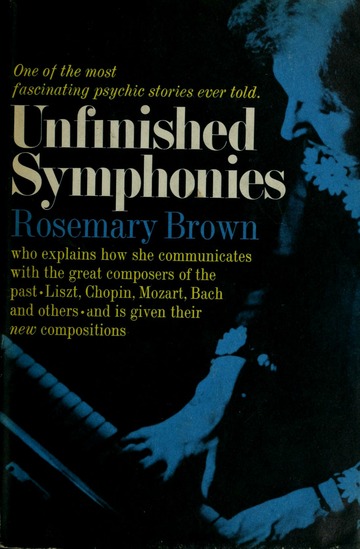
Brown went on to write three volumes of her autobiography; ‘Unfinished Symphonies’ (1970) (categorised in The National Spirit Summit as ‘a testimonial to creative living in the hereafter’)[11], ‘Immortals at my Elbow’ (1974) and ‘Look Beyond Today’ (1986), but received very little media attention beyond her late 60s/70s heyday. Her music’s relevance faded with her novelty value and is rarely heard today, with recordings of her channelled compositions of little interest to contemporary parapsychologists and musicologists alike, despite their clear accomplished nature. During her brief time in the sun, she made several appearances on BBC programmes, beginning in 1967 and continuing well into the 1970s. These appearances included the short documentary ‘Music From the Beyond? Medial Music by Rosemary Brown’ (1976) which remains widely available on video streaming platforms today. She also made her way to the United States of America where she performed her channelled pieces at venues as substantial as New York’s Town Hall and made an appearance on ‘The Tonight Show’ with Johnny Carson in September 1971 where she made the revelation that there was no sex in heaven.
Following the visitations from classical composers, she went on to report creative visits from more contemporary figures such as Gracie Fields, Fats Waller and even John Lennon, who visited her in 1980 to dictate a handful of new songs.
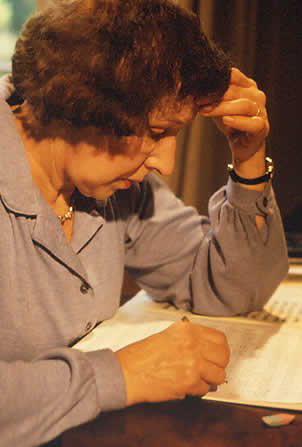
The nature of Rosemary Brown’s talents remains a contentious topic, with arguments remaining unresolved on either side of the debate. During the time of media interest, Brown was subjected to a wide range of mental and medical tests to determine the source of her seemingly supernatural abilities. In the first volume of Brown’s autobiography, she recounts a series of tests by Professor Tenhaeff, professor of Parapsychology at Utrecht University, where he and his colleagues pronounced her to be ‘quite normal after they had carried out extensive tests.’[12]
The majority of discussions pertaining to her spiritual and musical abilities argue that Brown had no mediumistic abilities and had concealed the true extent of her musical scholarship, or she had a rare inane ability that she herself didn’t understand. Brown recorded one early challenge where her musical skills were pathologized, dismissing the suggestion as far-fetched as her claims of spirit contact.
‘One musician who wished to wave away the psychic explanation for the music, suggested that I had actually had prolonged and advanced musical training, and then suffered from amnesia, causing me to forget this alleged training.’[13]
While Brown was able to dismiss such suggestions of amnesia with a visit to her family doctor, most contemporary scholars agree that Brown’s musical gift could be attributed to her subconscious, much like matters of automatic writing. As explained in Debussy Redux: The Impact of His Music on Popular Culture, author Matt Brown cites ‘Some experts claim that, from a cognitive perspective, Rosemary Brown’s compositional methods seem to fall under the general rubric of automatism. Since the mid-nineteenth century, psychologist have recognised that human actions can be both voluntary and involuntary; they have found many situations in which people are able to perform complex tasks automatically without being consciously aware of what they are doing.’[14]
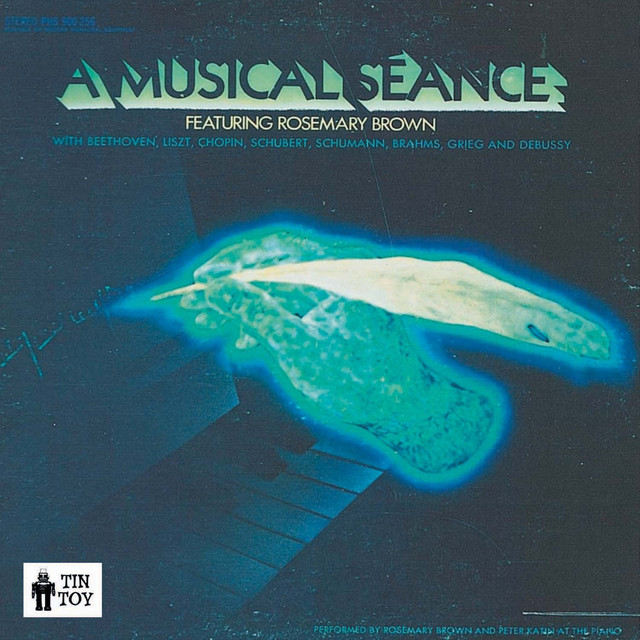
Throughout her esoteric career, Brown wrote three memoirs and made a clutch of recordings whereby she would play the easiest pieces from her supernatural oeuvre. Her last recorded work was in 1988 after which Brown retired from the mediumistic limelight. Reportedly due to ill health, the composers ceased their visits and she returned to normal life. Rosemary Brown died in London aged 85 on November 16th 2001 and was survived by a son and daughter.
Could Rosemary Brown’s fame occur today? Perhaps as a 5 minute slot on breakfast television, or as a short article in a woman’s weekly magazine, but I do not believe that her popularity would ever reach such heights again. We are keen to dismiss paranormal claims more keenly today than ever before, and not necessarily because we are armed with a greater rationale or sceptical mind. Credulity is shameful in much of contemporary society, and the stories and compositions of a dinner lady hold little interest for the modern ‘respectable’ reader. However, I believe that Rosemary’s cultural importance lies to the contrary. Rosemary Brown represents the everywoman. She was at heart a working parent desperate to provide for her family who found a niche for herself in creativity. Like so many of us who find comfort and solace in creation, she did the same. With a piano and a claim of a telephone to the afterlife, she could place herself alongside the great, white, male composers of the 19th and 20th centuries, not only elevating herself above the boundaries of her employment station and class, but above the confines of her gender. Today, we may claim to be more secular, rational and more educated in matters of the mind and consciousness, but one thing still remains above womankind; a desire to shatter the glass ceiling. While this may not be through compositional claims of the afterlife, at its root, Rosemary’s goals, and achievements, are eternal.
***

Liked this post? Then why not join the Patreon clubhouse? From as little as £1 a month, you’ll get access to tonnes of exclusive content and a huge archive of articles, videos and podcasts!
Pop on over, support my work, have a chat and let me show you my skulls…www.patreon.com/burialsandbeyond

Liked this and want to buy me a coffee?
To tip me £3 and help me out with hosting, click the link below!
https://ko-fi.com/burialsandbeyond
***
[1] Rosemary Brown, Unfinished Symphonies. 1971. Souvenir Press LTD. Pan Books LTD Edition, 1973. p10.
[2] Rosemary Brown, Unfinished Symphonies. 1971. Souvenir Press LTD. Pan Books LTD Edition, 1973. p31.
[3] Rosemary Brown Obituary. ‘Rosemary Brown, A Friend of Dead Composers, Dies at 85’. Douglas Matin for The New York Times. (2/12/2001) Accessed 11/21.
[4] Rosemary Brown, Unfinished Symphonies. 1971. Souvenir Press LTD. Pan Books LTD Edition, 1973. p30.
[5] Rosemary Brown Obituary. ‘Rosemary Brown, A Friend of Dead Composers, Dies at 85’. Douglas Matin for The New York Times. (2/12/2001) Accessed 11/21.
[6] Rosemary Brown Obituary. ‘Rosemary Brown, A Friend of Dead Composers, Dies at 85’. Douglas Matin for The New York Times. (2/12/2001) Accessed 11/21.
[7] Rosemary Brown Obituary. The London Independent. November 2001. Accessed 11/21 https://indexarticles.com/newspaper-collection/independent-the-london/obituary-rosemary-brown/
[8] Marilyn Kay Dennis. ‘Music From Heaven Part 2.’ (41/11/2011) Accessed 11/21 https://marilynkaydennis.wordpress.com/tag/stravinsky/
[9] Rosemary Brown, Peter Katin – ‘The Music of Rosemary Brown’, Philips, (1970) First Released as ‘A Musical Séance: Featuring Rosemary Brown’. Philips. Vinyl LP.
[10] Rosemary Brown Obituary. ‘Rosemary Brown, A Friend of Dead Composers, Dies at 85’. Douglas Matin for The New York Times. (2/12/2001) Accessed 11/21.
[11] The National Spirit Summit. Vol 61. Issue 660 Oct 1979. Via IAPSOP.com (accessed 11/21) http://iapsop.com/archive/materials/nsac_summit/nsac_summit_v61_n660_oct_1979.pdf
[12] Rosemary Brown, Unfinished Symphonies. 1971. Souvenir Press LTD. Pan Books LTD Edition, 1973. p15.
[13] Rosemary Brown, Unfinished Symphonies. 1971. Souvenir Press LTD. Pan Books LTD Edition, 1973. p15.
[14] Matt Brown, Debussy Redux: The Impact of his Music on Popular Culture. Indiana University Press. 2012. p36.





Leave a Reply